A newly identified "phoenix planet" is thought to have formed from the remnants of a dying star, raising questions about the potential for similar worlds in our solar system.
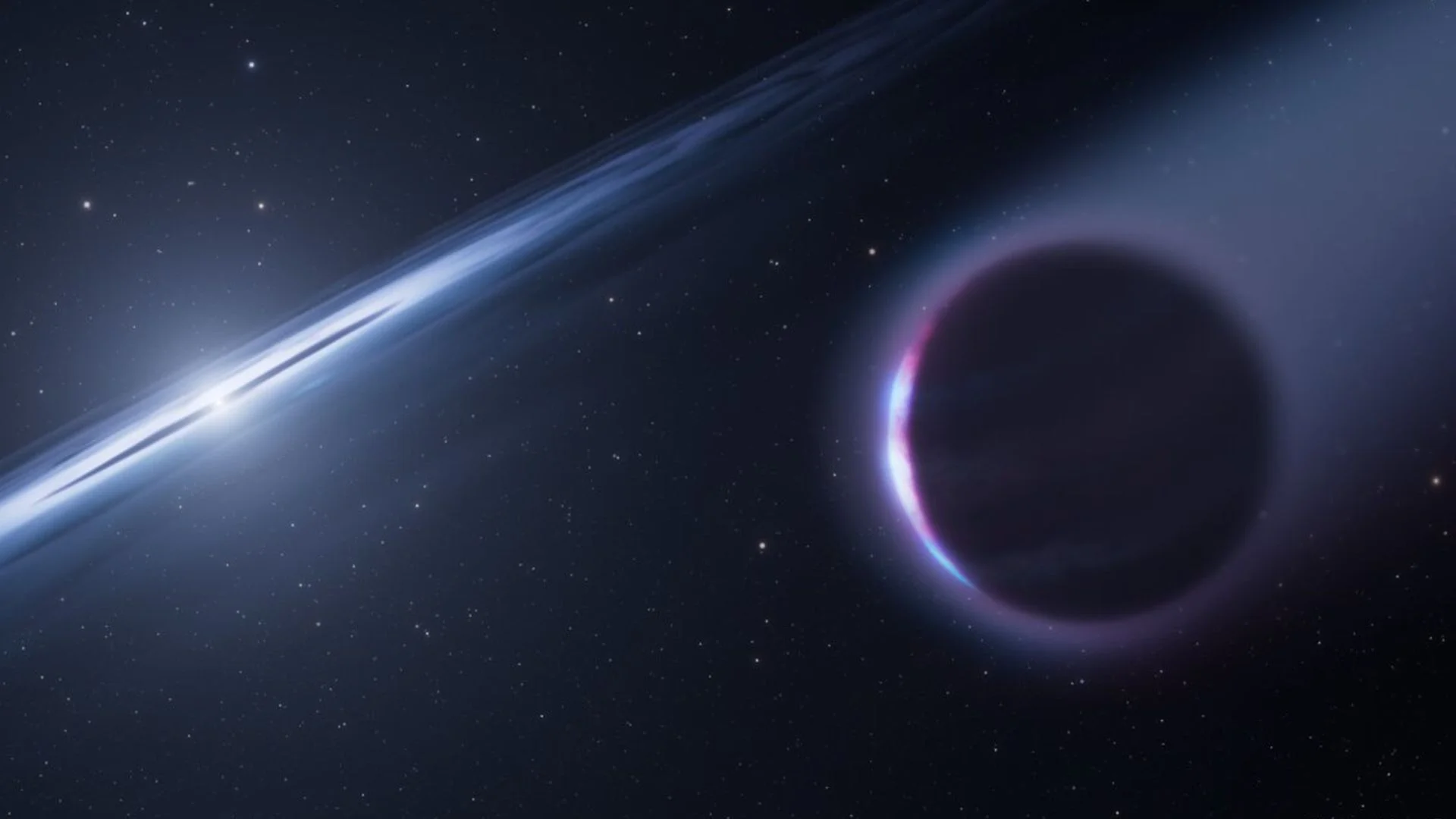
Astronomers have uncovered a fascinating new phenomenon: a "phoenix planet," emerging from the remnants of a dying star. This unexpected discovery opens up tantalizing possibilities about other reborn worlds scattered across the universe, and it may provide insights into the future of our own solar system.
The unnamed exoplanet is orbiting the young white dwarf HS 0209+0832, located approximately 270 light-years from Earth. Known as a type of "zombie star," white dwarfs are stellar remnants formed from the detritus of massive stars that have exhausted their fuel. In this case, HS 0209+0832 is still quite hot, with a surface temperature around 63,000 degrees Fahrenheit (35,000 degrees Celsius), indicating that it transitioned to a white dwarf state just a few million years ago.
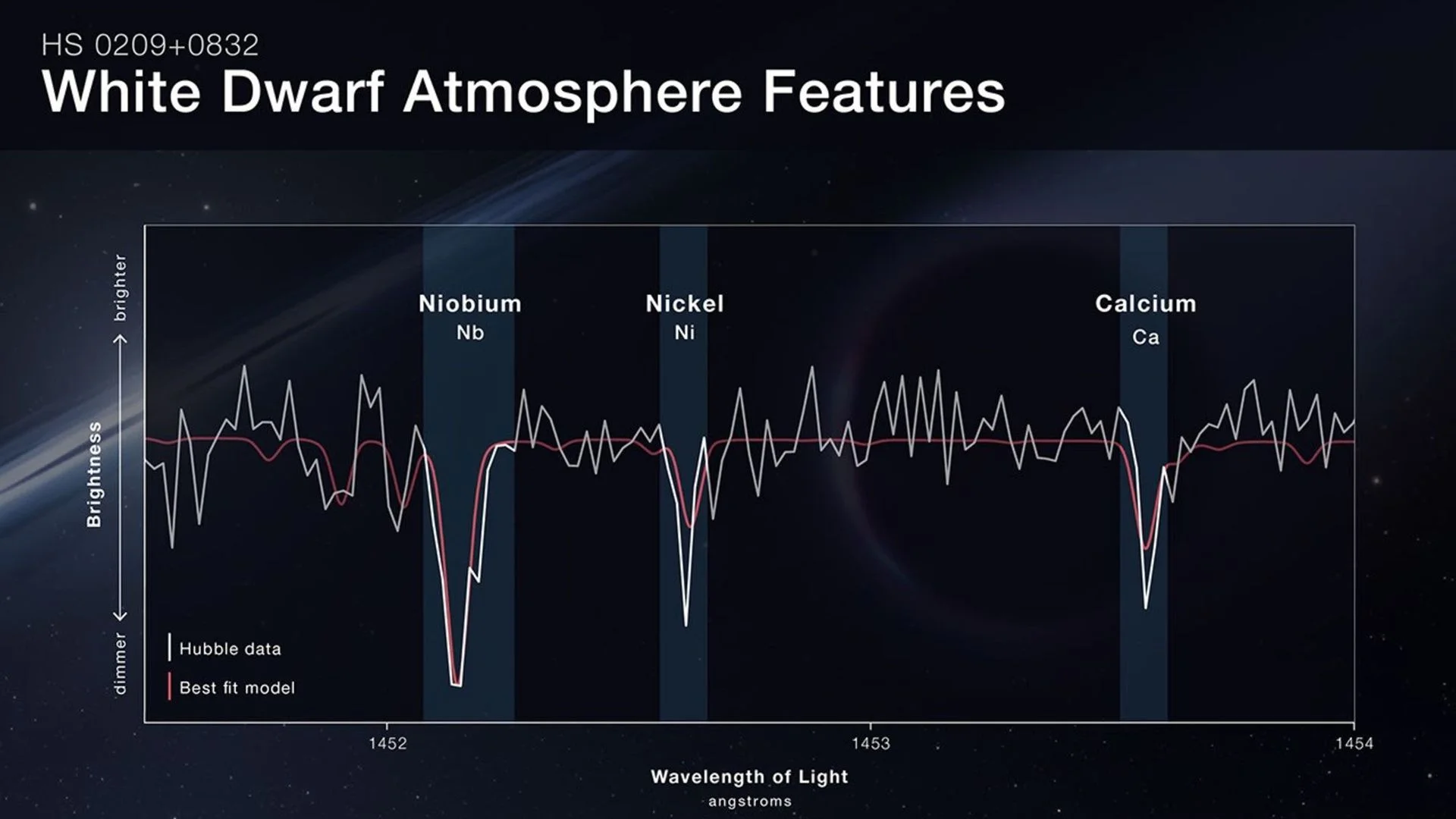
The white dwarf was initially observed with the Hubble Space Telescope in the late 1990s, revealing unexpected heavy elements such as aluminum, titanium, and nickel in its spectrum. These elements hinted at unusual processes taking place but lacked sufficient data for further understanding — until now.
In a study published on October 5 in the journal Nature Astronomy, researchers employed advanced instruments from Hubble and collaborated with other observatories to capture a more precise spectrum of HS 0209+0832. This deeper analysis revealed a remarkable concentration of additional heavy elements, including zinc, copper, and niobium, which had never been observed in a white dwarf before.
The presence of these out-of-place elements suggests that they originated during the dying stages of the red giant from which HS 0209+0832 formed. Researchers believe the debris from this process amalgamated into a second-generation planet, which is likely having its atmosphere stripped away by fierce stellar winds from the white dwarf.
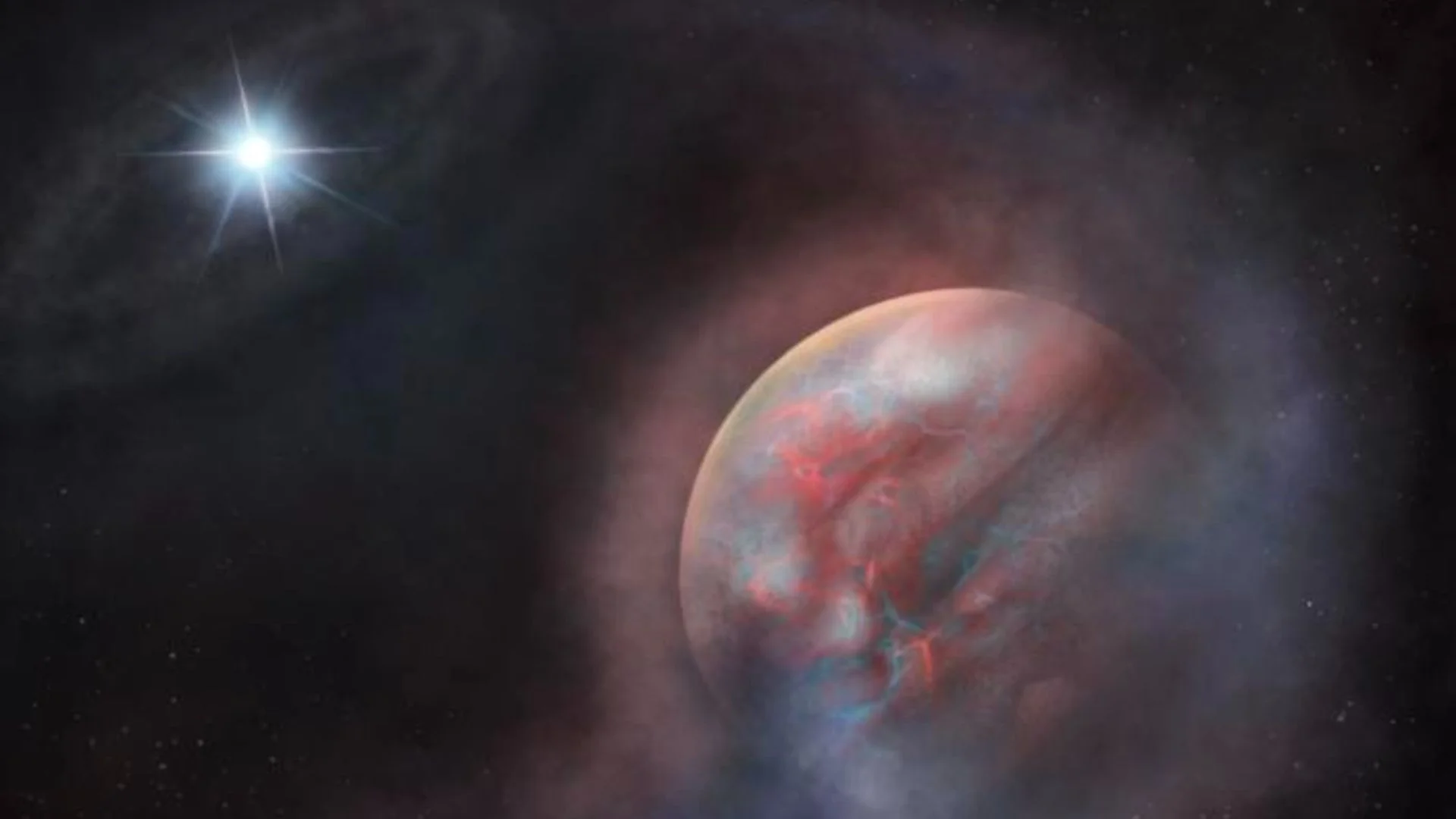
Further observations showed a consistent dip in the brightness of HS 0209+0832, indicating that a planet was regularly transiting in front of this stellar remnant. The exoplanet's orbit, lasting about 4.4 days, and its proximity to the star suggest it resembles Jupiter in size, reinforcing the idea that its atmosphere is likely being eroded.
Jamie Williams, the study's lead author and a graduate student at the University of Warwick, remarked, "Second-generation planets are worlds that form out of the material a star casts off as it dies. They're incredibly rare, and finding one around a white dwarf was completely unexpected."
Understanding the 'Phoenix Planet'
This isn't the first detection of an exoplanet around a white dwarf; however, the last notable find involved a planet thought to have survived the red giant phase of its star. What makes this discovery distinctive is the chemical composition of the exoplanet, which deviates from what's seen in first-generation worlds.
As Nicholas Stone, a study co-author from the University of Wisconsin-Madison, explains, "This pattern of elements is a telltale sign of the 's-process,' a nuclear reaction that builds heavy elements inside dying stars during their bloated red giant phase. It's a chemical signature no ordinary 'first-generation' planet should carry, indicating that this new planet is something unique."
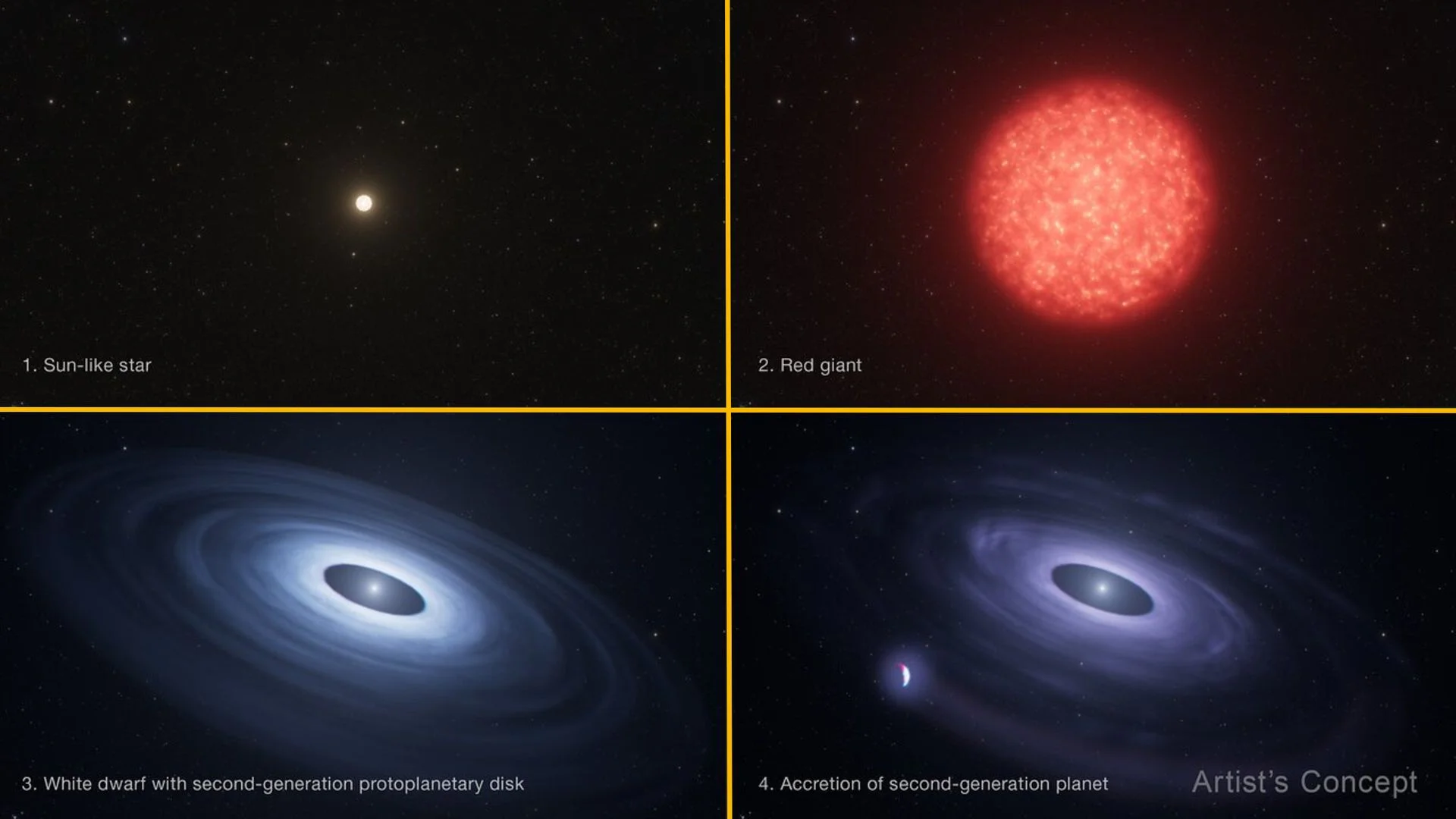
This new exoplanet likely coalesced from material shed by its star post-red giant expansion. Similar planets have been observed in the vicinity of other celestial remnants such as pulsars, but this is the first instance of such a planet forming around a white dwarf.
The Implications of This Discovery
Boris Gänsicke, an astrophysicist and co-author of the study, emphasized the rarity of this find: "What's remarkable about the planet around HS 0209+0832 is that this isn't a planet from somewhere else, or a survivor from the system's birth. It looks like it was built from the very material its own star cast off as it died."
Initially, HS 0209+0832 may have supported other planets during its tenure as a red giant, but any such bodies likely perished in the star's dramatic expansion — a scenario that could foreshadow the fate of Earth as the sun inevitably becomes a red giant in about 5 billion years.
This discovery raises intriguing questions about the potential for our solar system to host similar second-generation planets, crafted from the remnants of the sun after it completes its transformation into a white dwarf. It suggests a cyclical nature of planetary formation and destruction in the universe.
However, determining how common such formations might be is complex. Researchers believe that the existence of a companion star may be necessary for the conditions required to form a protoplanetary disk from ejected material. Jamie Williams notes, "To form a disc of material necessary to birth a planet, HS 0209+0832 likely required a companion star that pulled the ejected material back into orbit."
Discussion
Sign in to join the discussion.