Chris Williams photographed the Soyuz rocket’s fiery reentry over West Africa, highlighting the growing atmospheric and ground-level effects of falling space hardware.
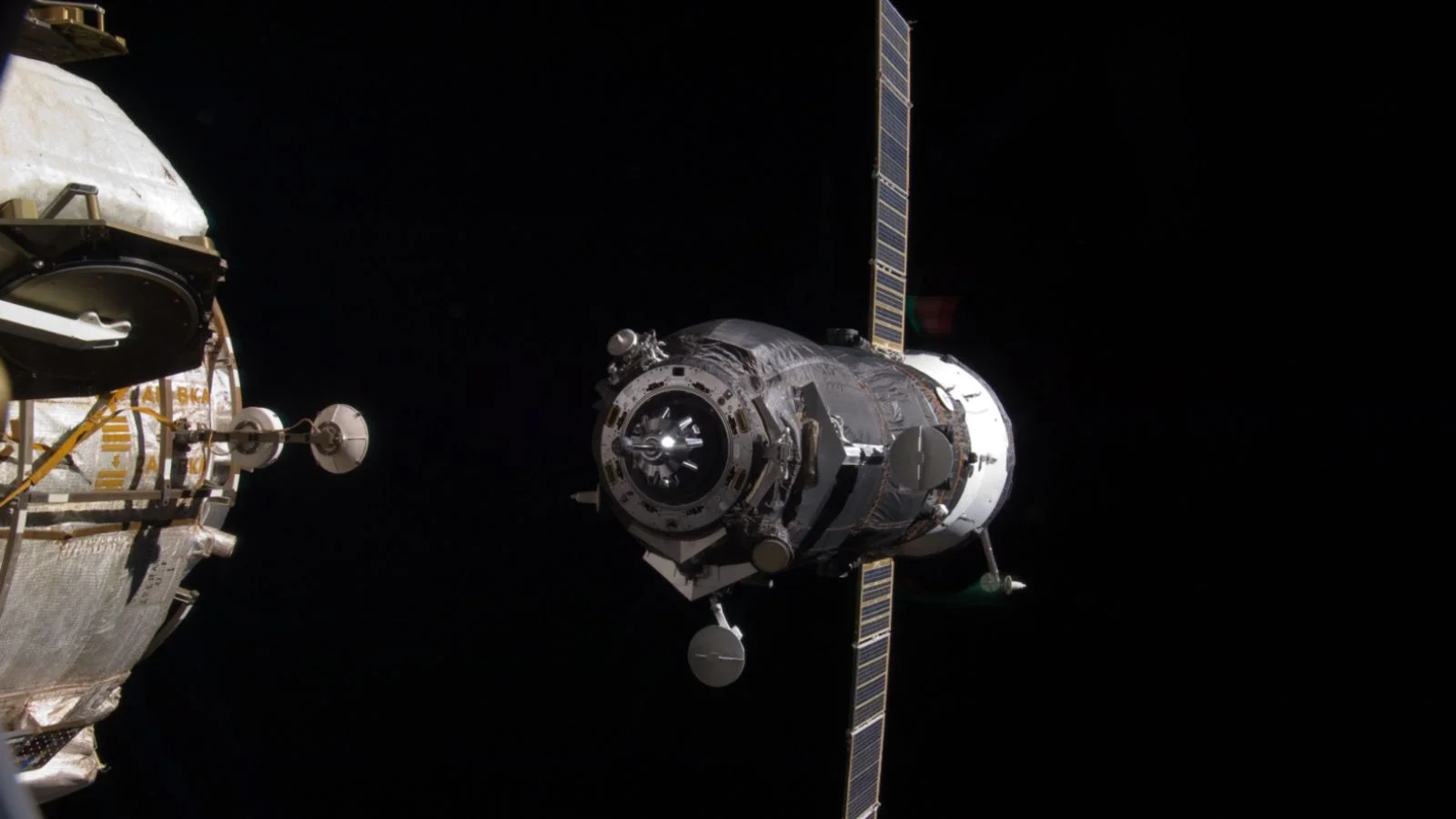
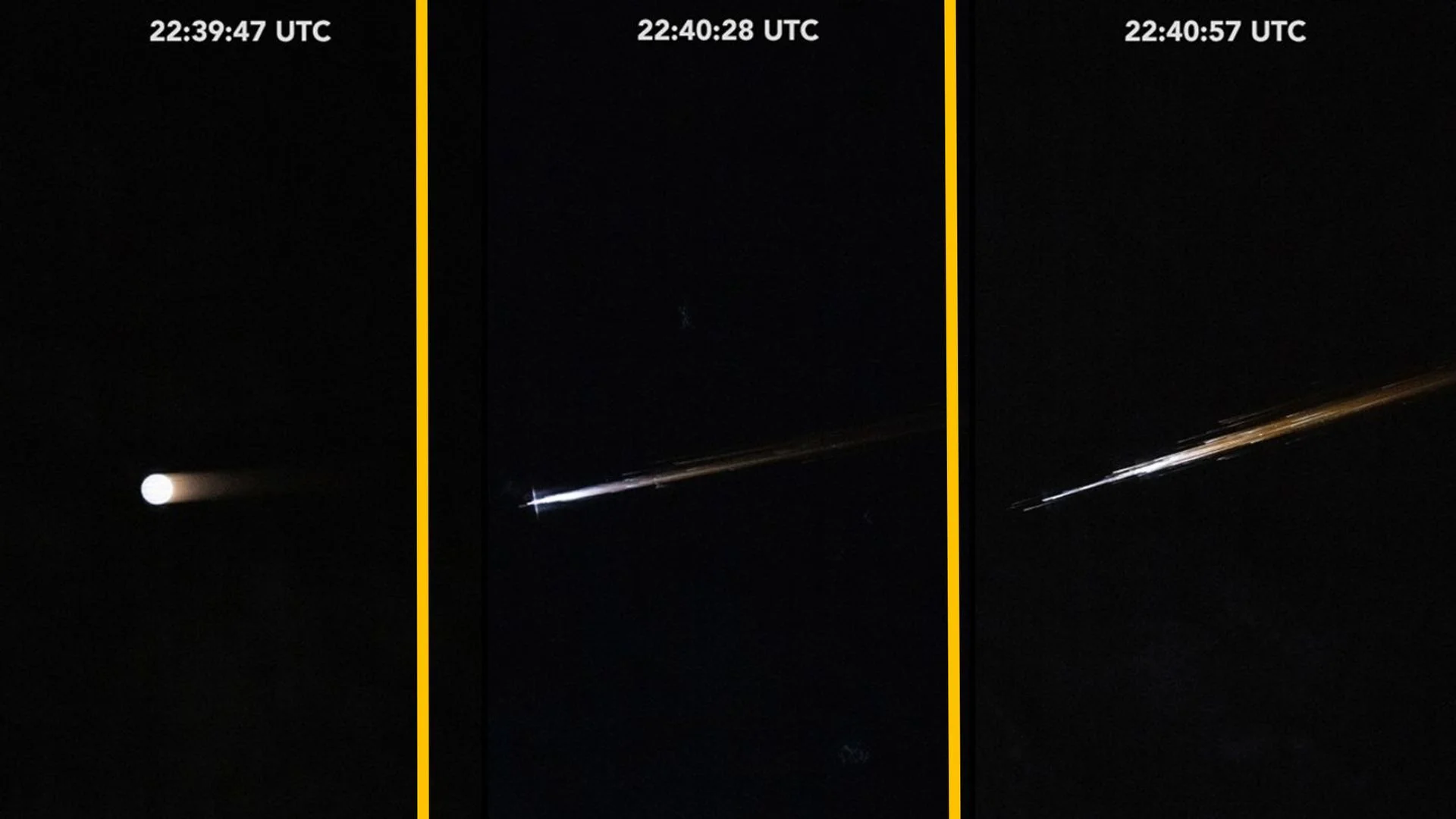
The fireball NASA astronaut Chris Williams photographed above West Africa was likely the spent Soyuz rocket that had carried cargo to the International Space Station. Its breakup made for a vivid view from orbit, but the scene also points to a less visible consequence of growing space traffic: more material vaporizing in the upper atmosphere.
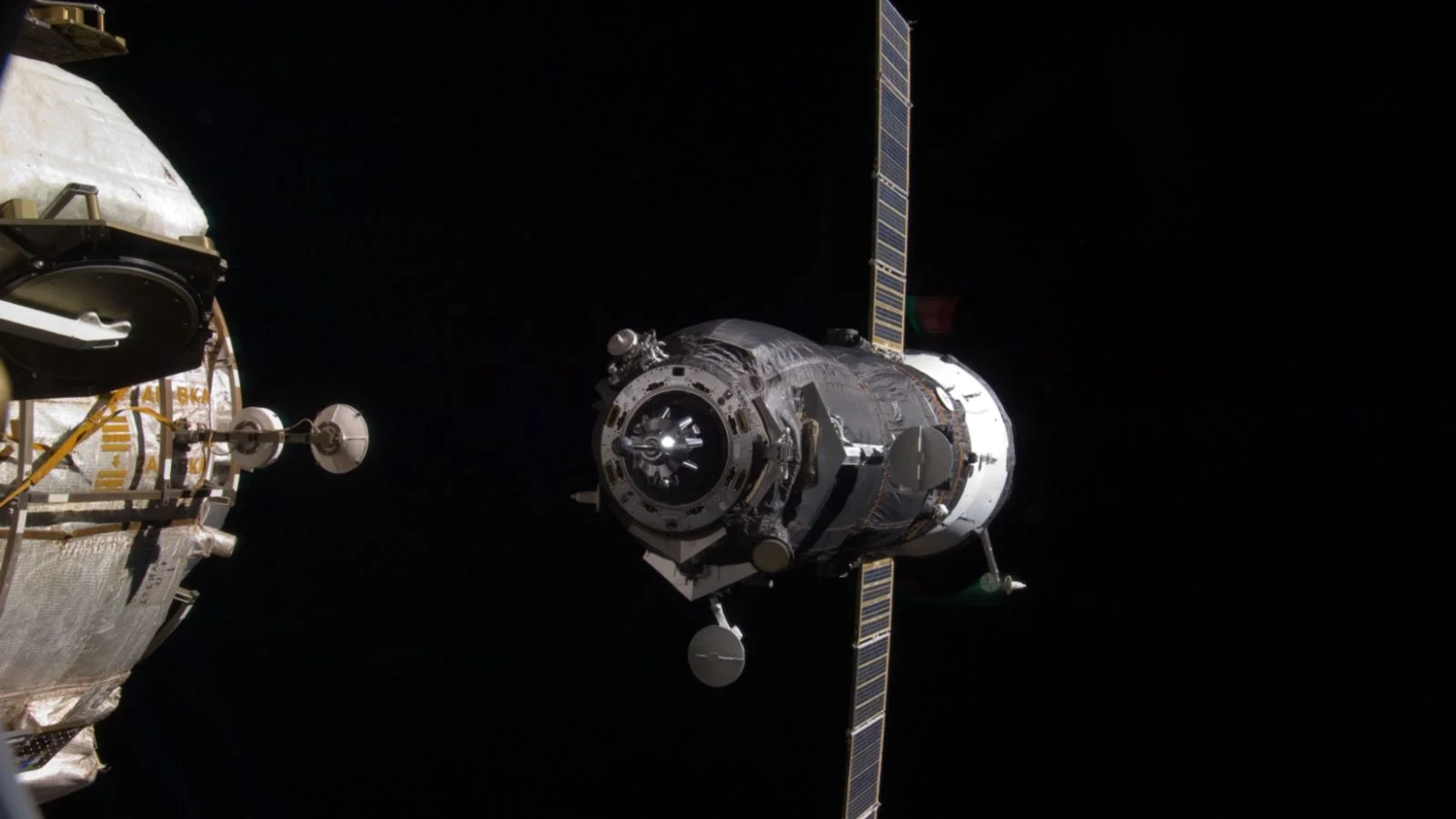
Williams was aboard the ISS on April 27, 2026, when he spotted the streak while looking for the Russian cargo craft Progress 95. He watched the bright object’s tail lengthen, then separate into smaller fragments. “It was quite a light show!” he wrote after sharing photographs and video from the station’s cupola, the windowed observation module that faces Earth.
Progress 95 reached the station later that day with food, fuel and other supplies. The fireball wasn’t the cargo ship itself, though. Reporting by Space.com later identified the object as the Soyuz rocket’s discarded stages and fairings, which fell back toward Earth after delivering the spacecraft to low Earth orbit.
As the rocket hardware entered the atmosphere, friction heated and broke it apart; most of the fragments were expected to vaporize. A similar Soyuz reentry produced a fireball over Australia in August 2023. NASA said a meteor could also explain Williams’ sighting, but considered rocket debris the likelier source.
Fireballs are no longer just a meteor story
For decades, people most often associated fiery streaks with meteors. Spacecraft and rocket stages now add another source. The number of objects orbiting Earth has climbed, and equipment that reaches orbit eventually has to come back down. Williams’ images show the process in unusually clear detail: a bright flash followed by a spreading train of burning fragments.
Most spacecraft and large pieces of orbital debris burn up around 50 miles (80 kilometers) above Earth, below the Kármán line, the commonly used boundary between atmosphere and space. That doesn’t make reentry environmentally negligible. Researchers have detected rising levels of metals in the atmosphere from vaporized spacecraft, and are still working out what those materials may do. Proposed concerns include effects on the ozone layer and possible changes to Earth’s magnetic field.
There’s also a physical risk when objects don’t burn up completely. In March 2024, a discarded three-ton battery pack from the ISS punched through the roof of a Florida home. That incident makes the distinction between spectacular reentry and safe reentry more than a matter of terminology: surviving fragments can reach the ground.
Other recent events offer a reminder that rocket missions can produce unexpected complications, too. During the earlier Progress 94 resupply mission, an antenna failed to deploy after the spacecraft separated from its Soyuz launcher. Cosmonauts used a remote-control backup system to dock it with the ISS.
Williams’ sighting came during a busy stretch for atmospheric fireballs. Meteors were also reported over the United States that spring, including a space rock that produced a sonic boom over Ohio and another linked to a meteorite that crashed through a Houston home. But as orbital traffic grows, the night sky’s flashes will increasingly have human-made causes. The spectacle is easy to see; the accumulating material left behind in the atmosphere is harder to track.
See more Earth from space

Space Shuttle's final 'photobomb' turns 15
This 2011 astronaut photo captured one of NASA's iconic space shuttles passing between Earth and the International Space Station for the very last time.
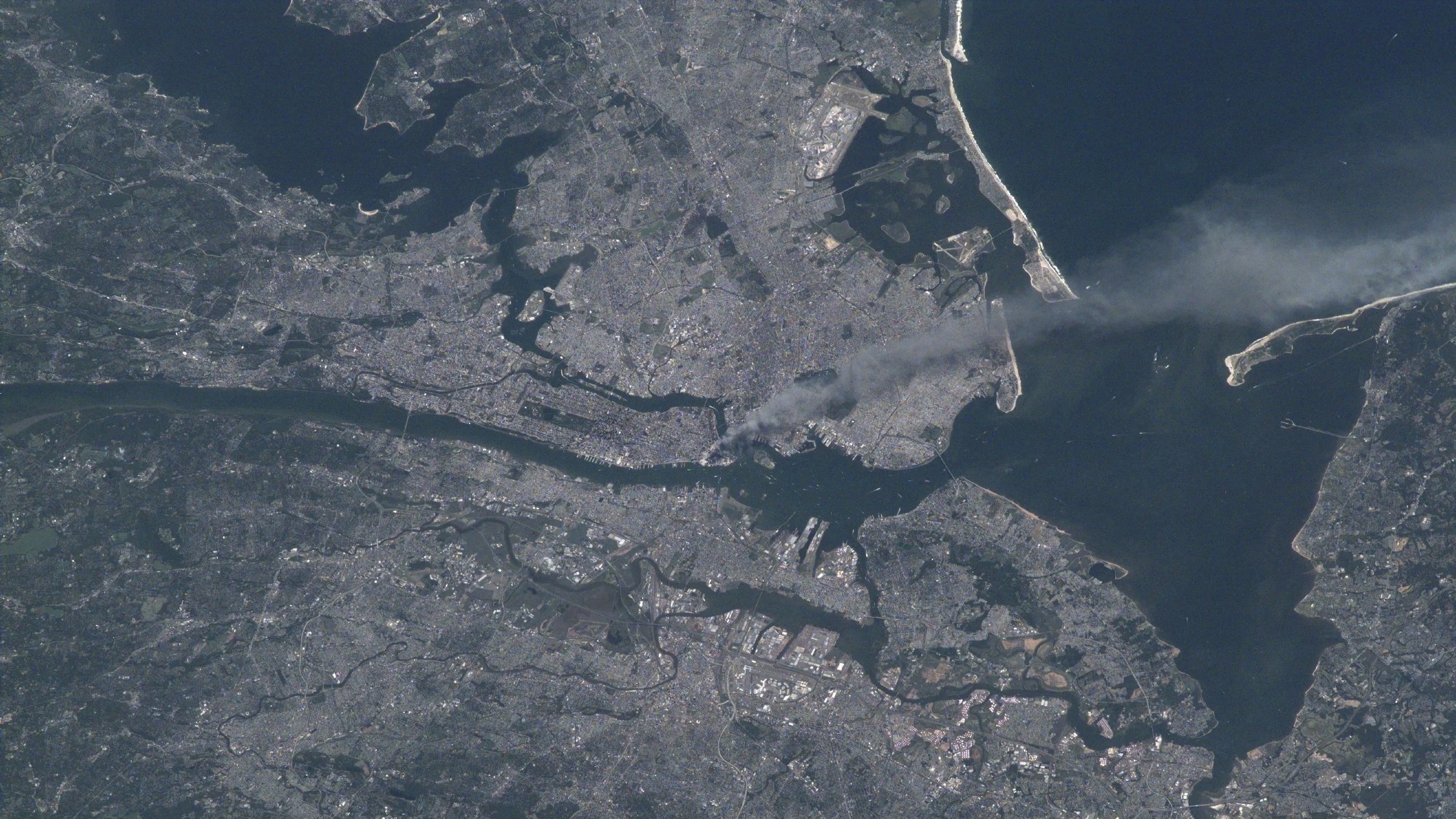
American astronaut's haunting 9/11 snap
During the Sept. 11 attacks, NASA astronaut Frank Culbertson — the only American not on Earth at the time — snapped a "sobering" shot of smoke pouring across New York City as the second tower fell.
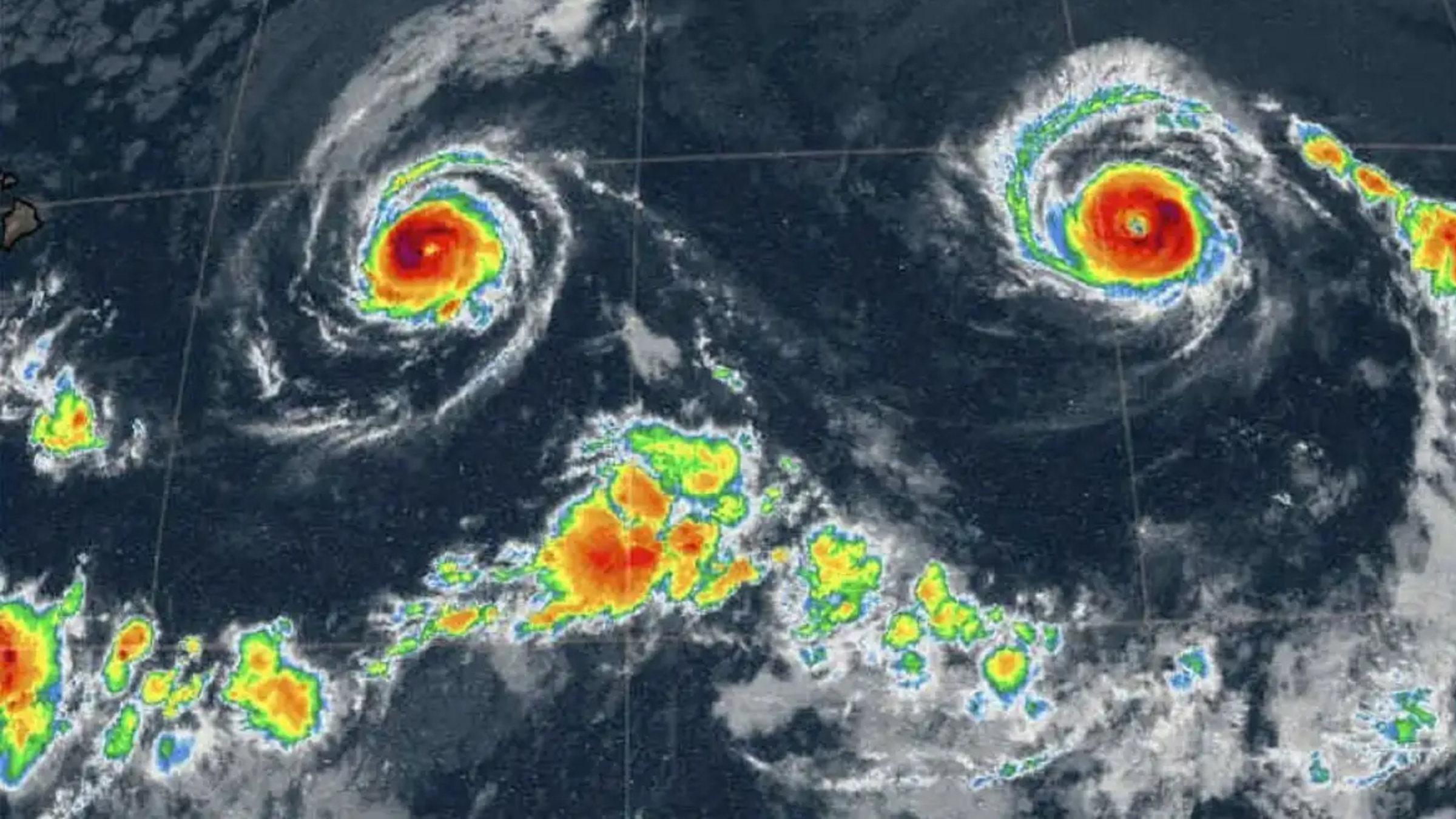
Twin cyclones stare out into space
A 2016 satellite photo shows Hurricane Madeline and Hurricane Lester heading straight toward Hawaii. When viewed from above, the twin cyclones and the surrounding clouds look eerily like a giant smiley face.
Discussion
Sign in to join the discussion.