A satellite image reveals Taiwan's densely packed mini farms, highlighting the unique agricultural challenges of the island's limited arable land.
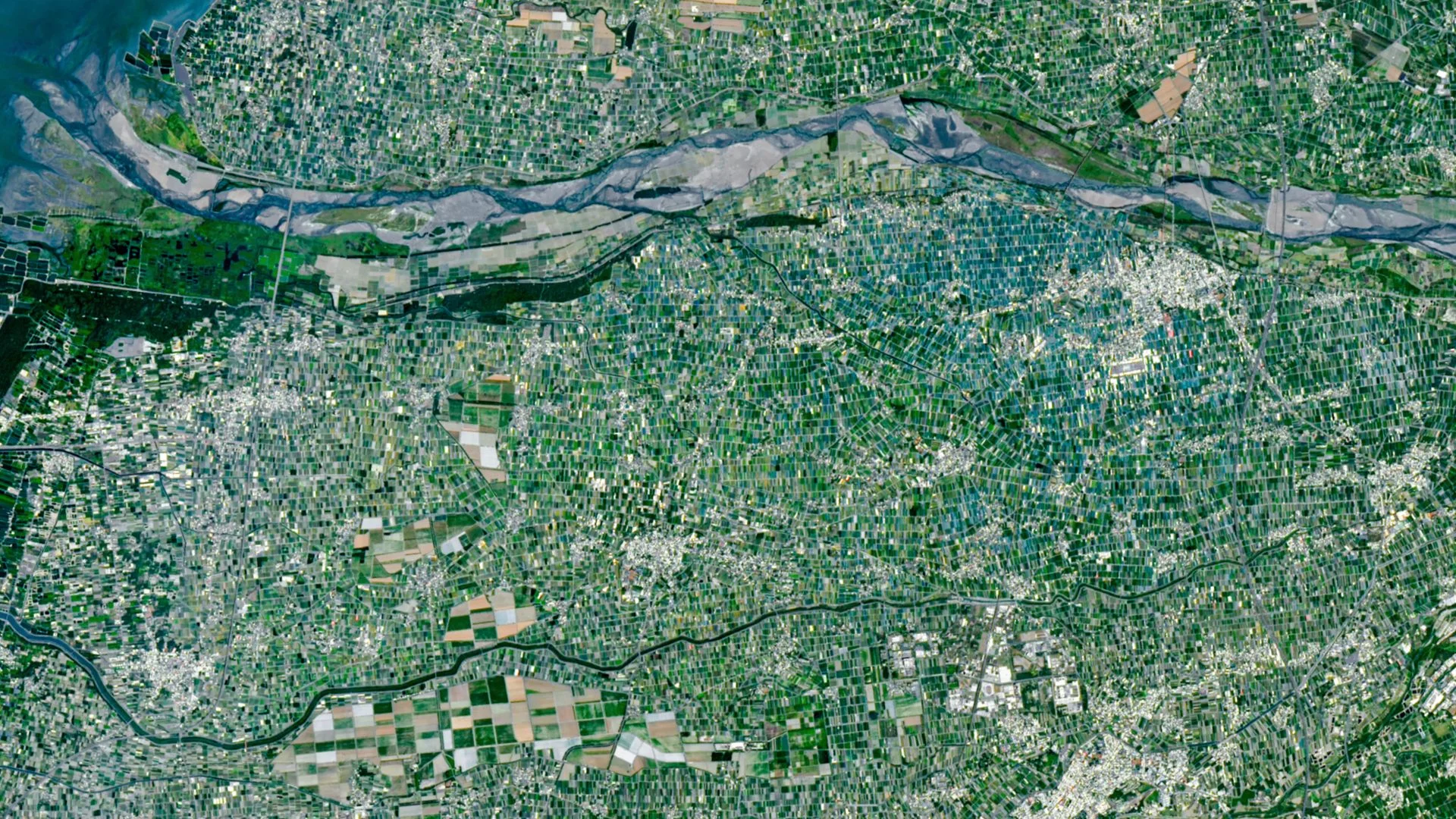
This striking satellite image captures a vibrant array of small farms in Yunlin County, Taiwan, showcasing the intense agricultural pressures this densely populated island faces. Taken by Landsat 9 on April 24, 2026, the photograph illustrates the compactness and diversity of the farming landscape.
Demographics and Agricultural Demands
Taiwan, which spans approximately 14,000 square miles (36,000 square kilometers)—similar in size to Maryland—houses nearly 23 million residents. This demographic density translates to significant demands on the agricultural sector to meet the food needs of its citizens. With each person relying on a limited amount of farmland, the situation is precarious. The challenges stem not just from sheer numbers but also from the island's rugged terrain. Substantial portions are covered by mountainous landscapes and dense forests, restricting available arable land.
Research indicates that each Taiwanese citizen has access to just around 3,200 square feet (300 square meters) of farmland, equivalent to two-thirds the size of a standard basketball court. This statistic starkly contrasts with what exists in larger agricultural economies. For example, American citizens enjoy about ten times more farmland per person, which allows for greater crop production and diverse food supplies. The constricted space farmers in Taiwan operate under directly impacts not just the quantity but also the variety of crops they can cultivate.
Yunlin County: The Agricultural Heart of Taiwan
The bulk of Taiwan's agriculture is concentrated in Yunlin County, situated centrally along the Chianan Plain, a vital agricultural zone along the island's western coast. This is no coincidence; the region’s flat land and access to the Zhuoshui River—Taiwan's largest river—create optimal conditions for various crops. Local farmers cultivate rice, sweet potatoes, peanuts, corn, sugarcane, garlic, scallions, coffee, and various fruits and leafy vegetables, according to Earth Observatory data.
Yunlin County's agricultural profile is more than just diverse; it's essential for food security on the island. When you consider that an immense portion of Taiwan's agricultural output comes from this region, any shifts in weather patterns or agricultural practices will likely have immediate repercussions on the country’s food system. The reliance on locally grown crops makes this area not just a farming hub, but a linchpin of Taiwan's overall agricultural ecosystem.
Farm Size and Distribution
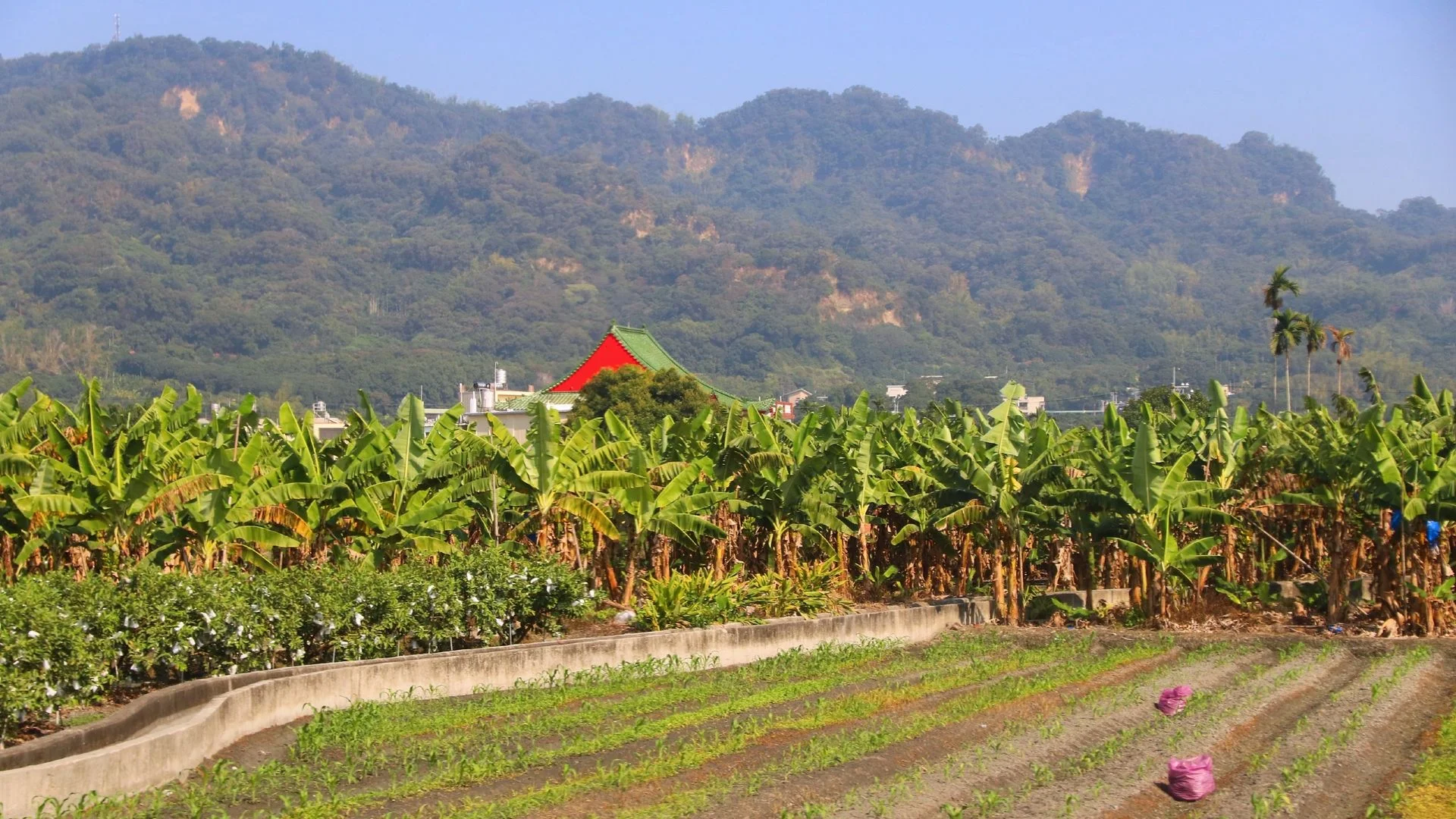
The average farm in Yunlin County covers less than 100,000 square feet (10,000 square meters), making it about 90 times smaller than the typical farm in the U.S. This leads to a sprawling patchwork of tens of thousands of small, irregular plots when viewed from above. The restrictions on farm sizes stem from long-standing laws that limit individual land ownership, with most farms being handed down through generations. This tradition fosters a unique farming culture that values familial ties over industrial efficiency.
And this is the part most people overlook: while smaller farms can lead to innovative practices and sustainable agriculture, they also render farmers vulnerable to market volatility. With limited scale, these farmers can struggle to absorb shocks, whether from price fluctuations or climate impacts. Balancing tradition and modern agricultural pressures is a tightrope act every farmer must navigate.
Distinct Farming Practices
In the satellite view, the farming mosaic appears relatively uniform, but certain regions exhibit notable differences. One such area is marked by a cluster of blue and turquoise rectangles around Xiluo, located in the image's upper right quadrant. These plots are covered with plastic shade nets, which protect crops from intense summer heat and heavy rains during the monsoon season. This adaptation is increasingly critical as climate patterns shift, posing threats to crop yields.
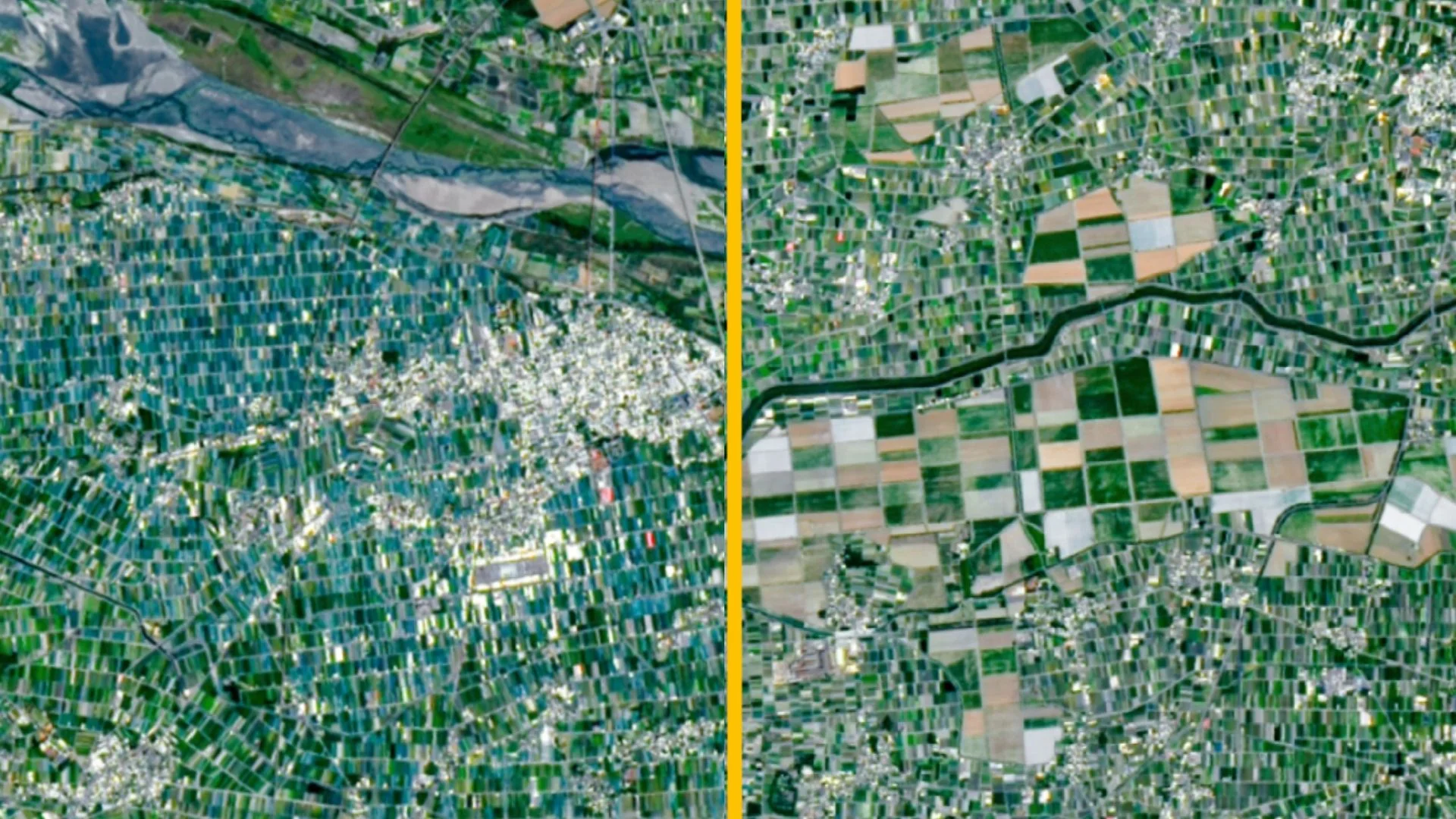
Another discernible anomaly is a set of larger, lighter-colored fields near Baozhong, situated in the photo's lower left. These represent historic sugarcane farms originating from Taiwan's time under Japanese rule from 1895 to 1945. While the Japanese utilized vast expanses of the Chianan Plain for sugarcane production, the majority of these farms have transitioned to other uses, with only one railway line remaining to serve agriculture. This historical context plays a critical role in today's farming practices and land use, underscoring how history shapes current agricultural landscapes.
The Role of Livestock
Beyond crop production, these mini farms also support livestock, encompassing chickens, cattle, and a massive number of pigs, as highlighted by reports from the Earth Observatory. With livestock integrated into the farming system, Taiwan benefits from a more sustainable cycle of food production. These small-scale operations often rely on organic methods and traditional practices, which can yield high-quality products suited for local markets.
Future Outlook and Implications
The current agricultural setup in Taiwan, especially in areas like Yunlin County, faces tough choices ahead. As land becomes scarcer and climate impacts intensify, farmers will have to adapt or face declining yields. The restrictions on farm sizes emphasize a need for collaborative efforts to innovate within existing frameworks.
If you're working in this space, the focus should be on sustainable practices that can withstand environmental changes while also meeting food security demands. This isn’t just a local issue; it echoes global agricultural trends where smallholder farms grapple with similar challenges. The path forward will require a blend of traditional agricultural wisdom with new technological advancements, as farmers learn to work with their unique constraints while maximizing productivity and sustainability.
Discussion
Sign in to join the discussion.