Archaeologists have unearthed a 2,000-year-old ritual burial in a Scottish well, shedding light on Iron Age funeral practices.
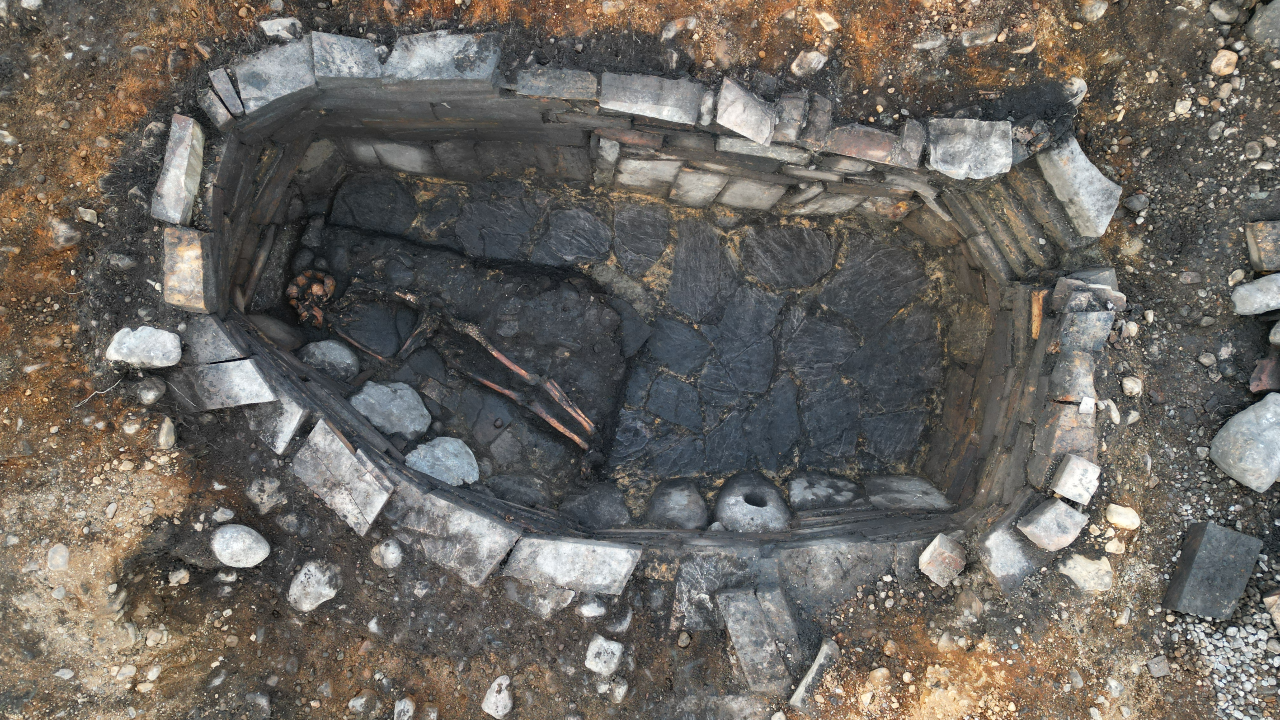
In a captivating archaeological find, a burial site estimated to be around 2,000 years old has been discovered within a well in the Scottish Highlands. The evidence suggests this grave may have been part of a burial ritual coinciding with the well's abandonment.
The Discovery of the Burial Site
This intriguing discovery occurred during quarry expansion in northern Scotland, as detailed in a statement from Highland Archaeology Services. The well measures about 10 feet (3 meters) in length and 3 feet (1 meter) in depth, with its base constructed from stone slabs and clay, which likely helped maintain its integrity as a water-holding structure. It's fascinating how even in the modern age, remnants of ancient practices can emerge from beneath our feet, often linked to the development of contemporary infrastructure.
This site isn't just another graveyard being unearthed. It's a direct portal into the rituals and daily life of people who lived in this area two millennia ago. The context of the well's abandonment signifies that its use was no longer practical or deemed necessary, prompting a ceremonial farewell, reflecting a deep-rooted cultural importance placed on human remains and final resting places.
The Significance of Iron Age Burials
Archaeologists have dated the burial to the Iron Age, a period spanning from 800 B.C. to A.D. 400, based on artifacts found nearby. Interestingly, animal bones were positioned atop the interred remains, but no additional grave goods were recovered. Such a finding raises questions about the burial customs of the time. Why were animals included, yet no artifacts were found? Often, grave goods serve to accompany souls in the afterlife—was this a distinct ritual practice that diverged from the norm?
Lachlan McKeggie, co-director of Highland Archaeology Services, emphasizes the rarity of Iron Age burials in northern Scotland, stating, “Iron Age burials from the north of Scotland are fairly rare finds in general.” This points to an important nugget of understanding: fewer discoveries from this era could imply that the populations in this region were smaller or perhaps that their burial practices differed considerably from more documented practices in southern Britain. This scarcity makes each find more imperative to understanding the larger picture of Iron Age society.
Contextual Integration with Local Archaeology
This site is located not far from Camore Wood, where archaeologists have previously identified remnants of an Iron Age settlement, including at least 20 hut circles. The proximity—about a mile (1.6 km)—invites speculation about social connections between these sites. It's plausible that the well and the burial site served the same community, reflecting a complex societal link between daily life and ritualistic practices. What this means for you, should you be studying Iron Age communities, is that each find contributes a piece to the puzzle, though a direct correlation between the two sites has yet to be established.
Ritualistic Elements and Historic Parallels
The unique aspects of this burial have led researchers to propose that it might have been a ritualistic closure as the well was being retired from use. McKeggie notes parallels with other historical sites, such as High Pasture Cave on Skye, where a similar ceremonial context was identified. There, burials were found at a cave entrance, signaling a ritual act during its closure in the Iron Age. This is more significant than it looks—linking rituals to archival closures can reveal how ancient peoples understood life and death, and their connections to sacred spaces.
The idea of closing a well with a burial speaks volumes. In present-day cultures, we still often attach meanings to places associated with water, employing both practical and ritualistic approaches to these locations. And here's the thing: the performance of these rituals could serve a societal purpose, uniting people in a community through shared beliefs even as they transitioned to a new way of life.
Future Insights from Ongoing Excavation
As the excavation progresses, further analysis will unveil additional details about the burial. 3D scans of some artifacts have already been created and are accessible on the archaeology team’s website, enhancing the understanding of this fascinating find. It’s exciting to think about what future studies might uncover. Understanding the skeleton’s sex, age, and cause of death could reveal much about health and mortality rates at that time, shedding light on how life expectancy varied across regions and eras.
Such ongoing research not only feeds our thirst for knowledge about the past but also invites interdisciplinary collaboration. Archaeologists, anthropologists, and historians all stand to gain from what this site reveals. The conversations generated by these findings may inspire new hypotheses about Iron Age practices. (And this is the part most people overlook: the insights aren’t just isolated to ancient societies but can often reflect aspects of our current social structures.)
Curious about what you know regarding human anatomy? Test your knowledge with our human skeleton quiz!
Implications and Future Outlook
The ongoing work at this burial site not only provides a deeper understanding of the Iron Age but also highlights the significance of archaeological finds in reshaping our perceptions of history. As more artifacts emerge from this era, there's bound to be a reevaluation of previous assumptions about the people who lived in the Highlands. Each layer of discovery adds nuance to our comprehension of social structures during the Iron Age, including beliefs, traditions, and everyday life.
In summary, this find stands as a reminder of the importance of archaeology in tracing human history. Every new skeletal discovery could provoke shifts in scholarly consensus or generate new avenues for inquiry. As researchers continue their meticulous work, the potential for groundbreaking discoveries remains tantalizingly close, waiting to be uncovered.
Discussion
Sign in to join the discussion.