A recent study reveals that infections contribute to 1 in 8 cancer cases, highlighting the urgent need for vaccination and preventive measures globally.
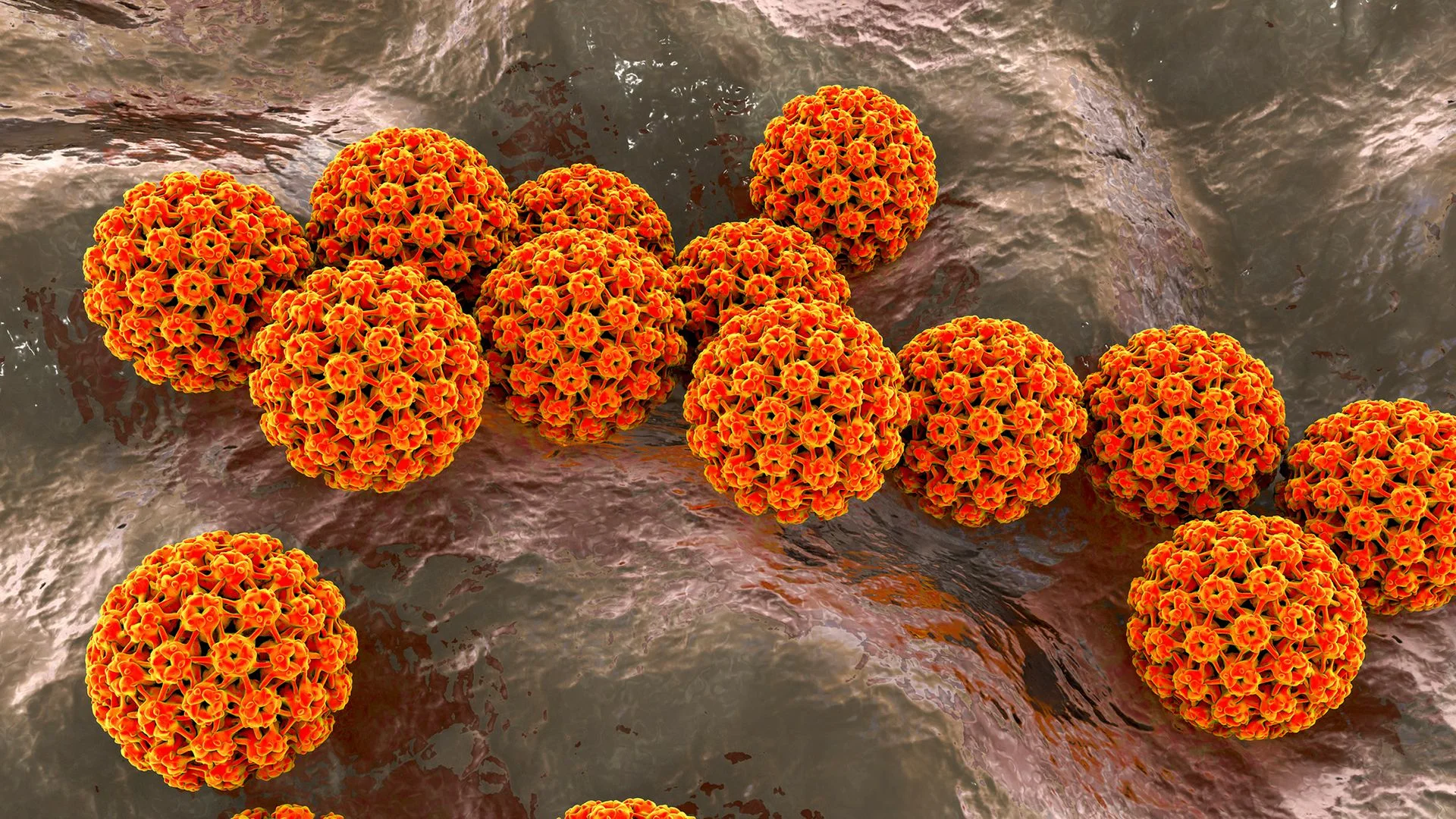
Research indicates that approximately one in eight cancer cases can be attributed to infections caused by various pathogens, including viruses, bacteria, and parasites. This significant finding underscores the potential of infection prevention as a viable strategy to reduce cancer incidence rates.
A comprehensive analysis published on September 28, 2024, in The Lancet Oncology examines the global impact of twelve pathogens linked to cancer. The researchers project that infections will lead to roughly 2.3 million new cancer cases, which accounts for around 12% of all cancer diagnoses for the year.
Dr. Prashant Mathur, director of India’s National Centre for Disease Informatics and Research, emphasized the potential for more effective cancer prevention by addressing underlying infections. "When combined with other risk factors such as tobacco, alcohol, diet, physical activity, and environmental pollution, it's estimated that about 50 to 60 percent of all cancers in India are avoidable," he noted. This statistic is likely valid on a global scale as well.
The research team utilized the Global Cancer Observatory's GLOBOCAN database, aggregating data from numerous cancer registries to estimate that around 20 million new cancer cases will be diagnosed in 2024. By analyzing the prevalence of specific infections in patients with certain cancers, they determined the number of cases linked to each infection.
Leading Pathogens and Their Impact
The study identified 12 significant pathogens associated with cancer, including human papillomavirus (HPV), hepatitis B and C, HIV, and Epstein-Barr virus (EBV). Notably, just four pathogens are responsible for about 92% of the cancer cases attributed to infections.
Among these, the bacterium Helicobacter pylori is linked to 760,000 cases, mainly affecting gastric cancers. HPV follows closely, accounting for 750,000 cases, and is responsible for various cancers, including cervical, penile, throat, and mouth cancers. Hepatitis B virus contributes to 360,000 cases, while EBV is associated with around 260,000 cases, affecting the risk of several cancers and lymphomas.
Vaccination: A Key Prevention Strategy
The stark realization of these infection-driven cancer burdens is juxtaposed by the current gaps in vaccination coverage. For instance, only 31% of eligible girls worldwide received at least one dose of the HPV vaccine in 2024, significantly below the 90% target that health organizations aspire to achieve. Countries that have reached higher vaccination rates have demonstrated a notable reduction in the incidence of HPV-related cancers.
Dr. Rebecca Perkins from Tufts University School of Medicine pointed out the effective success stories emerging from countries with high vaccination uptake. "We've reached a critical milestone; cervical cancer is starting to disappear in countries where vaccination rates exceed 80%," she stated. Evidence from locations like Australia and Finland reveals zero HPV-related cancer cases among young adults who were vaccinated by age 13.
However, these advancements are mostly occurring in wealthier nations, leaving low- and middle-income countries to shoulder 77% of the global burden of infection-related cancers. For instance, around 81% of cancers linked to HPV are seen in these regions, highlighting an urgent need for improved vaccine access and education.
Perkins suggests simplifying vaccination campaigns by transitioning from a two-dose HPV series to a single-dose regimen. This change could reduce costs and eliminate the complexities associated with follow-up appointments, thus facilitating broader access to vaccination.
Challenges in Vaccination and Treatment
In the United States, vaccination rates vary widely by state, with some achieving high compliance and others failing to meet targets. Misconceptions among caregivers about the necessity of the HPV vaccine present a substantial barrier to achieving healthier vaccination rates. Perkins remarked, "Many families mistakenly believe that the HPV vaccine is not necessary or can be delayed. The reality is that early vaccination is crucial."
While both HPV and hepatitis B have effective vaccines available, there is currently no approved vaccine for EBV. The virus's intricate biology poses challenges for vaccine development, according to tumor virologist Claire Shannon-Lowe. She noted that EBV employs multiple proteins to breach cell defenses and can remain dormant for life within the host.
Although the majority of EBV infections do not lead to cancer, the virus is a significant contributor to global cancer burdens and has also been linked to various autoimmune conditions. This association may drive the urgency for creating a vaccine, particularly in light of EBV's connections to diseases like multiple sclerosis.
Addressing the Broader Cancer Burden
While the reported cancer burden linked to infections is already substantial, researchers believe the actual figures could be higher. Limitations in the data, including the registries covering only a fraction of the global population, necessitate more comprehensive data collection efforts.
Dr. Mathur emphasizes that investing in cancer prevention strategies will yield substantial long-term benefits. "The return on investment for preventive measures is significantly greater than for cancer treatment," he asserted, highlighting the imperative for strengthening prevention efforts to achieve lasting impacts in the fight against cancer.
As we continue to uncover the links between infections and cancer, it becomes increasingly clear: proactive vaccination and public health initiatives are essential in reducing the global cancer burden.
Discussion
Sign in to join the discussion.