The stela of Lady K'abel, a powerful Maya queen, reveals her military prowess and cultural significance through intricate artistry and historical ties.
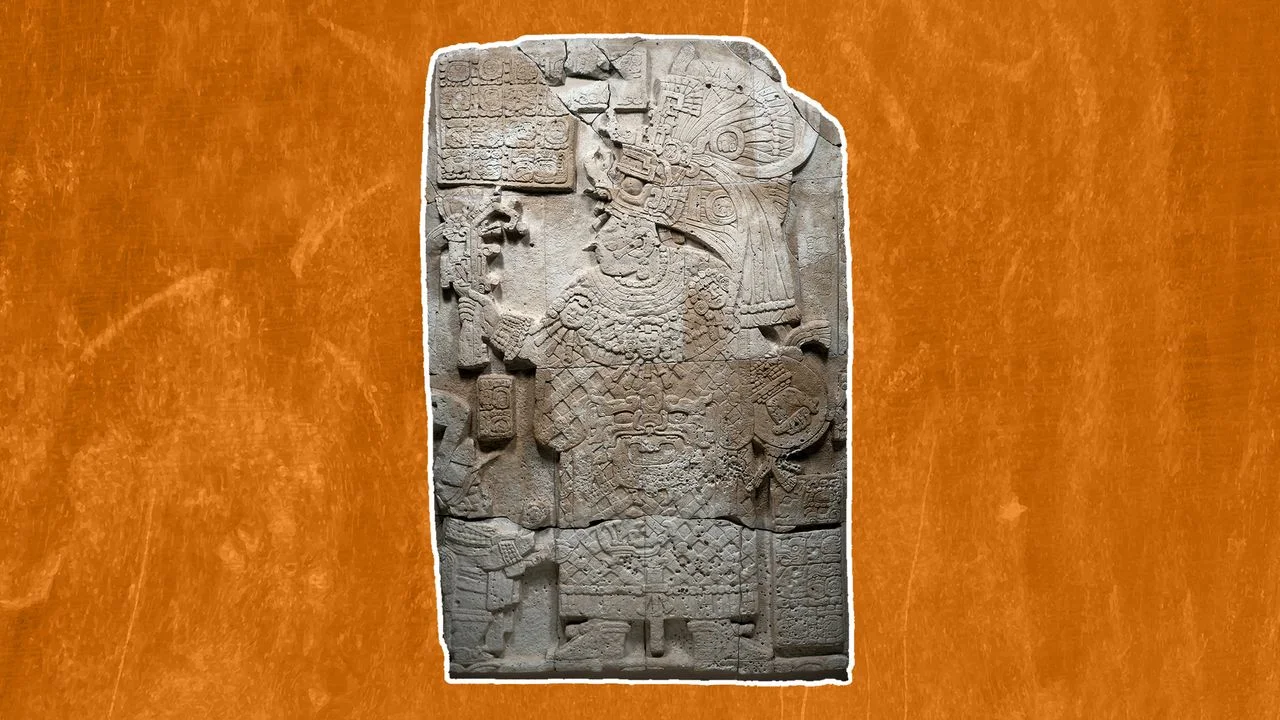
The Stela of Lady K'abel: Artistry and Authority
A remarkable limestone carving honors Lady K'abel, a significant queen of the ancient Maya civilization. The artifact, known as the front face of a stela, stands approximately 9 feet tall and weighs around 2,500 pounds. Erected around A.D. 692 in El Perú-Waka', a provincial town in what is now Guatemala, this monumental piece illustrates not just artistic achievement but also the political power intrinsic to its subject. Lady K'abel is more than a historical figure; she's a symbol of a thriving society that combined myth, power, and artistry in its public expressions.
Symbolism and Significance
This stela not only features Lady K'abel but also documents her roles and accomplishments in a visual narrative that reflects both personal and political identity. Historical interpretations suggest she was a military governor and a pivotal figure in the Kaanul dynasty, often referred to as Ix Kaloomte' or Lady Supreme Warlord. Her stela, adorned with elaborate designs, not only highlights her connection to mythology but also emphasizes how the Maya intertwined their leaders with divine figures. The clothing she wears aligns her with deities of creation, such as the maize god or the moon goddess, hinting at her elevated status and perceived divine right to rule, complexities often overlooked in discussions surrounding female leadership in ancient civilizations.
Archaeological Insights
Recovered from over 40 fragmented pieces, the stela is currently housed at the Cleveland Museum of Art. The original freestanding monument has since been reconstructed, offering a tangible link to Lady K'abel's historical reign. Archaeologists believe that the stela celebrated 20 years of her rule, marking an era characterized by military triumphs and cultural achievements that reflected the broader dynamics of Maya society at that time. The intricate details of her attire—feathered headdress, netted garment, and jade adornments—are more than just decorative elements; they visualize her elevated status in a society that wore its culture on its sleeves. The presence of a scepter and shield highlights her martial authority, indicating how leadership in ancient Maya culture was as much about art as it was about governance.
Historical Context and Discoveries
While the stela has been known since its acquisition in 1967, Lady K'abel's tomb was serendipitously discovered in 2012. This unexpected find triggered a surge of interest in her legacy and reign, offering fresh insights into a period often dominated by male narratives. Excavations yielded a wealth of artifacts, including jade, obsidian, and shells, which have significantly enhanced our understanding of Maya funerary practices. A particular highlight was the discovery of a bivalve shell that matched an emblematic feature on the stela. This connection cements the relationship between the artifact and Lady K'abel, shining a light on how symbols were interwoven in Maya society and used to convey messages about status and power in life and death.
Continuing Research
As excavation director Olivia Navarro-Farr noted, the discovery of a royal tomb with undeniable evidence reinforces existing historical identifications in Maya archaeology. Such finds challenge previous assumptions and suggest a more complex view of gender roles in a society traditionally seen as male-dominated. This evolving understanding of women like Lady K'abel highlights their agency and influence, providing a richer narrative tapestry of Maya history. Archaeological research serves as a cornerstone for reconstructing these nuanced roles, underscoring the importance of scholarly work in shifting our perceptions.
The Significance of Lady K'abel's Legacy
The artistry of the stela, along with subsequent archaeological discoveries, does more than enrich our understanding of Maya civilization; they reveal the intricate interplay between art, politics, and religion. This has implications far beyond academic interest. For enthusiasts of archaeology, the exploration of Lady K'abel’s life becomes a case study in the intersections of power, gender, and cultural expression. What this means for you, the reader, is a reminder that these ancient cultures were far from simplistic. They engaged in complex political maneuvers, utilized symbolic language through art, and deified their leaders in ways that affected their societal structures.
The stela represents a moment frozen in time, capturing not only Lady K'abel's reign but also the artistic practices that were prevalent in her society. This deep well of historical significance—often overlooked in favor of broader male figures—calls attention to the need for ongoing research and preservation of these artifacts. As we uncover more evidence, perhaps Lady K'abel’s story will inspire a reevaluation of women's roles in historical narratives long overshadowed by their male counterparts.
Discussion
Sign in to join the discussion.