A significant medieval coin hoard, possibly buried by a plague victim, has been discovered in Kolomna, revealing insights into historical currency.
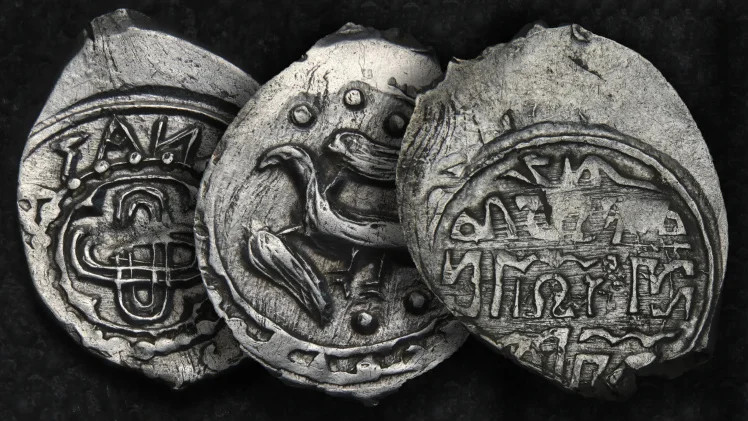
A Hidden Treasure Unearthed
Recent archaeological efforts in Russia have unveiled a remarkable hoard of 2,600 silver coins from the medieval period, including over 350 unique coins. Experts believe these coins could have been buried by a nobleman who later succumbed to a devastating plague. This isn't just a fascinating discovery; it raises questions about how wealth was stored during times of crises and what was at stake for those who lived in that era.
The Find in Kolomna
The collection was located inside an ornate ceramic jug, hidden within a pit in Kolomna, a city steeped in history about 71 miles (114 kilometers) southeast of Moscow. This location, rich in its historical context, was a prominent urban center during the 14th and 15th centuries. Kolomna served as a vital point of trade and culture, attracting people from various walks of life, particularly the nobility and affluent merchants. But think about this: what led to the decision to bury wealth instead of using it or safeguarding it in a more overt manner?
The Coins and Their Significance
A substantial portion of the coins, categorized as denga, originated during the late 14th century from the Grand Principality of Moscow. Each denga had a value of half a kopek, with 100 kopeks making up a ruble. It’s interesting to note that the coin hoard heavily features pieces minted in Kolomna under the reign of Grand Princes Vasily I (1389-1425) and Vasily II (1425-1462). This reveals not just a monetary value but also the political climate of the time. The coins are tangible links to both economic systems and the governance of the Grand Principality, pointing to Kolomna’s significance during that period.
What's particularly noteworthy is an extremely rare denga showcasing a bird in flight, produced towards the end of Vasily I's reign. Experts are currently examining the more than 350 previously unknown varieties minted in Kolomna. These findings could alter the existing narratives about the minting practices during this period, as they suggest a potentially richer tapestry of economic and cultural exchange than previously acknowledged.
The Wealthy Owner and the Obscured Fate
The individual who buried this cache is speculated to have been a person of wealth and stature, perhaps a high-ranking official or an affluent merchant. The timing of the coin minting offers an intriguing perspective: the latest coins were minted in the latter part of the 1420s, hinting that the owner may have been a victim of a plague epidemic that ravaged Russian principalities between 1424 and 1427. This context adds a layer of human tragedy to the discovery; not only does it reflect the personal wealth of the individual, but it also echoes the societal upheaval that accompanied such a devastating event. The coins are more than mere currency—they're artifacts of a life interrupted by disease.
Economic Insights from a Crisis
Such discoveries enrich our understanding of the economy during this tumultuous time but also paint a vivid picture of life and wealth amid crisis. If you're working in this space, this find presents a potent reminder of how economic stability can crumble under the weight of calamity. The buried treasure tells a complex story, not just about the coins themselves but about the people who minted, traded, and hoarded them. It raises questions about the socio-economic structure of the time: who had access to wealth, and how was that wealth maintained or protected?
Moreover, archaeological sites like this one serve as pivotal resources in reconstructing the historical narratives of cities like Kolomna. They offer insights into past economies, social hierarchies, and the impacts of pandemics on human behavior and decision-making. With a deeper understanding, we can better analyze parallel situations in contemporary economies. For instance, how do modern societies respond to economic uncertainty and crisis? The parallels are not just historical curiosities; they may hold lessons relevant today.
Implications and Future Outlook
The implications of this discovery stretch far beyond the immediate excitement of finding ancient currency. The coins, especially the unique denga with its artistic representation, could lead to a re-evaluation of economic practices in medieval Russia. As more coins are studied, they might reveal trade networks or reveal influences from both Eastern and Western monetary systems. It’s easy to overlook how these simple pieces of metal carry a profound weight of history. Each coin adds a thread to the tapestry of human experience, intertwining wealth with human vulnerability.
Looking ahead, continued research and excavation in Kolomna could yield even more significant findings that might transform our understanding of the past. Will more insights into coin minting reveal economic strategies unknown to us? What will these unique artifacts tell us about the lives of the people who handled them? The path seems rich with potential, and as we dig deeper, the story of this medieval society unfolds, revealing intricate layers of complexity in a time long passed.
Discussion
Sign in to join the discussion.