As some U.S. regions experience an early flu season, health experts stress the importance of vaccination, particularly against dominant H1N1 strains.
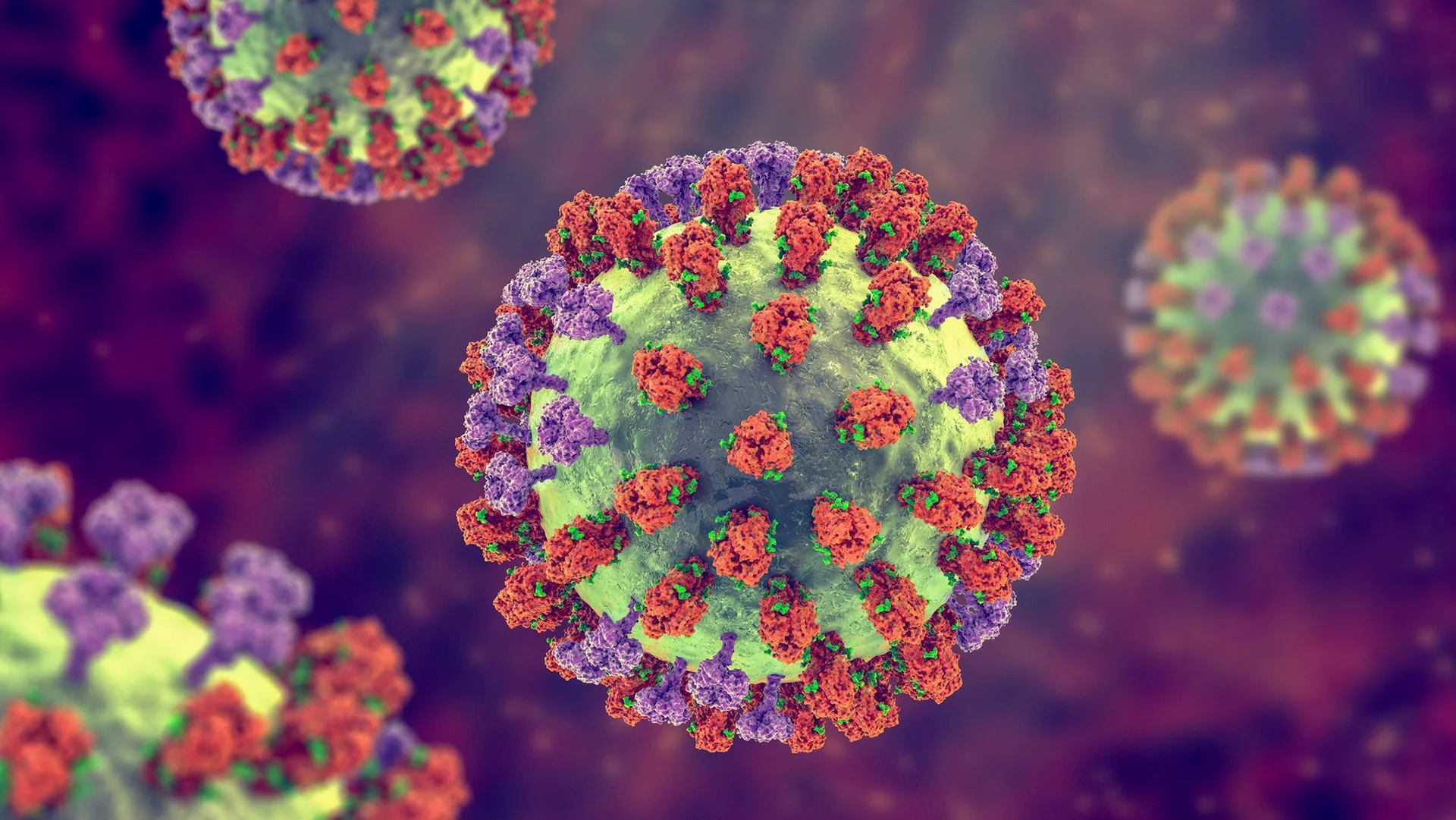
Flu season is beginning earlier than usual in various regions of the United States, indicating a potential rise in infection rates that health professionals are closely monitoring. Typically, flu activity picks up in late fall, reaching a peak between December and February. However, recent data shows that as of the end of September, the percentage of respiratory samples testing positive for influenza has risen significantly, recorded at 3.4% compared to just 0.5% at the same time last year.
According to CDC statistics, this increase indicates about a sevenfold rise in cases, particularly pronounced in states like Washington, California, and Arizona, where emergency department visits for flu-like symptoms have noticeably escalated. For example, emergency visits in Washington related to flu diagnoses surged from 0.25% to 1.34% in just six weeks.
Dr. William Schaffner from Vanderbilt Health highlights that while seasons often vary in their starting points, the current early onset of flu isn’t uncommon and can occur anywhere across the country. He notes that flu can originate from the West Coast and gradually move eastward, suggesting that regional patterns don't inherently signify an impending crisis.
Understanding the Influenza Subtypes
Flu illnesses today typically stem from three distinct subtypes: two strains of influenza A—H1N1 and H3N2—and the B lineage known as Victoria. Last season saw H3N2's subclade K dominating the spread, noted for its quick proliferation. The CDC indicated this strain contributed to a particularly severe flu season, resulting in the loss of at least 195 lives among children.
This year's influenza activity has already shown a strong inclination toward H1N1, which accounted for 96% of subtyped samples as of late September. However, it's essential to recognize that the viral landscape can shift throughout the season as the virus mutates, posing ongoing challenges for vaccine efficacy. The fluctuating nature of flu strains makes it vital for health experts to remain vigilant in their assessments.
Timing Your Vaccination
The Center for Disease Control (CDC) strongly recommends that everyone aged 6 months and older receives a flu vaccine annually, particularly those at heightened risk—children under 5, adults over 65, pregnant individuals, and those with chronic health conditions. Serious flu cases can lead to complications including pneumonia and can be deadly, with tens of thousands succumbing to the virus each season in the U.S.
Given the early uptick in flu cases, Dr. Schaffner emphasizes that "October is the ideal time to get vaccinated." Early vaccination typically isn't recommended for most adults in July or August due to the waning effectiveness of the vaccine over time. Nonetheless, with flu seasons potentially kicking off earlier than usual, timely immunization becomes critical. Significant protection begins shortly after vaccination but can take up to two weeks to reach optimal effectiveness.
The effectiveness of flu vaccines can vary widely, often ranging between 29% to 56% based on how well the circulating viruses match the vaccine strains, according to the CDC. While vaccines might not prevent mild cases, they are adept at reducing severe outcomes, which can prevent hospital visits and fatalities. “They work best at keeping you out of the hospital, keeping you out of the intensive care unit, and keeping you out of the cemetery,” Dr. Schaffner quips.
Moreover, the latest flu season guidance from the CDC continues to recommend vaccines for anyone 6 months and older, with specific high-dose and adjuvanted options recommended for older adults. This year's vaccination campaign also features the newly approved mFlusiva, the first mRNA flu vaccine aimed at adults over 50. This vaccine, which utilizes a blueprinted approach rather than a traditional viral component, may lead to more significant resistance to symptomatic disease.
What’s Next?
As cases begin to rise, health officials are expecting to glean more about the severity of this flu season as weekly CDC reports provide updates on infection trends. These insights will be crucial for anticipating whether current patterns will persist or if a more profound wave of cases will emerge. The broader implications of this flu season could evolve rapidly, so maintaining an urgent focus on vaccination and public health messaging will be essential.
Flu vaccination remains a pivotal public health strategy, especially with the unpredictable nature of flu viruses. Staying informed and proactive regarding flu shot eligibility and availability will not only help individuals protect themselves but also shield vulnerable populations from severe health threats.
Discussion
Sign in to join the discussion.