A breakthrough in tattoo ink enables wearers to activate or deactivate designs with light, providing a versatile and temporary alternative to traditional tattoos.
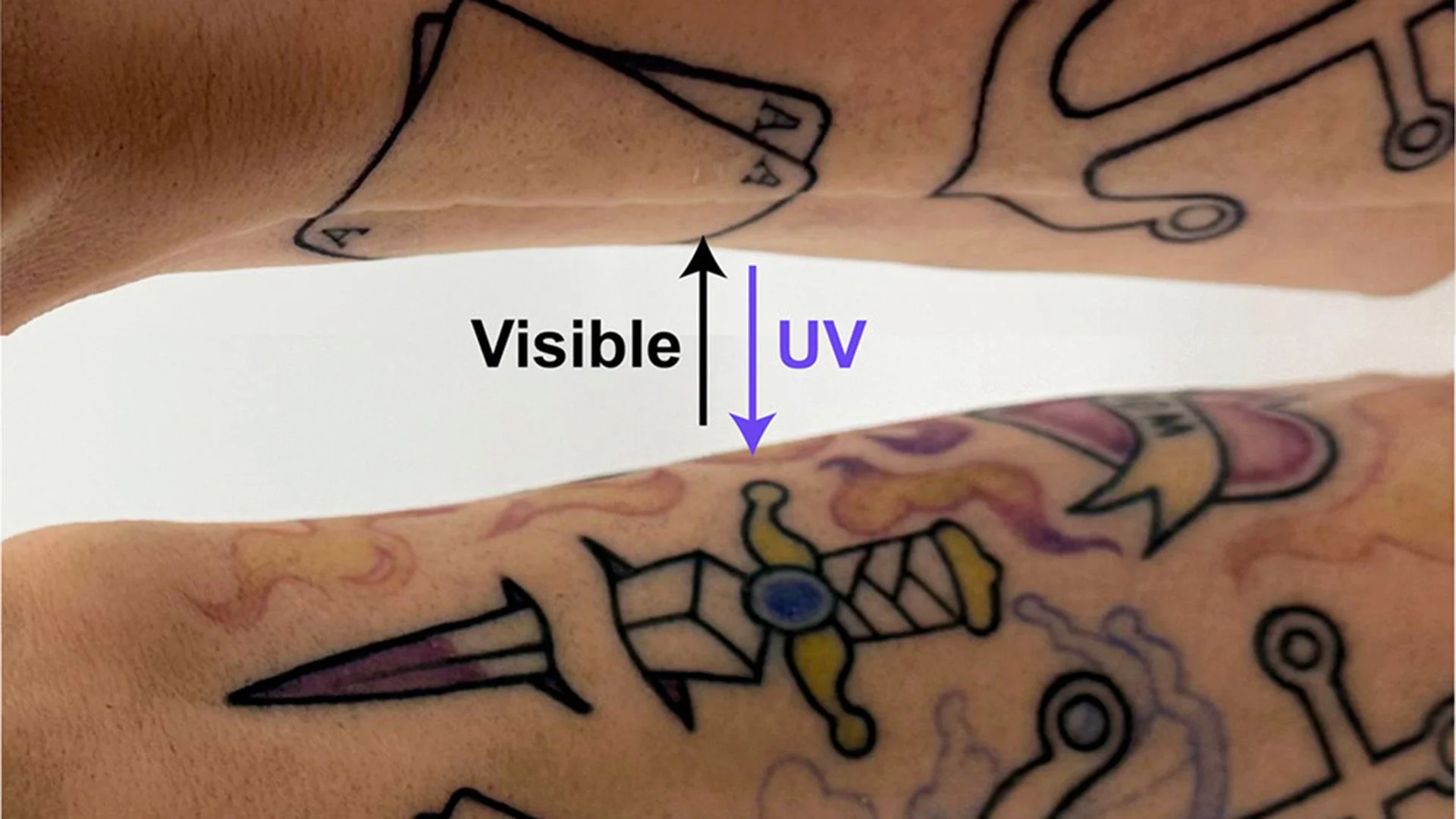
Researchers have created a novel tattoo ink named PhotoTat, enabling users to switch tattoos on and off through light activation. This technology eliminates the need for painful removal processes, allowing users to alter or conceal body art at will. A study detailing this development was published on October 9 in the journal Matter & Light.
"With this tattoo, if you decide you don’t want it visible, you simply deactivate it," explained Carson Bruns, a biomedical engineering professor at the University of Colorado Boulder and co-author of the study. "You can turn it off, and it doesn’t have to be turned on again unless you want it to be." This encapsulation opens new avenues in tattoo technology that weren't previously considered commercially viable.
Functioning Like a Light Switch
PhotoTat features three primary color inks—blue, magenta, and yellow—comprised of photochromic dyes. These compounds respond to specific light wavelengths, changing color. Each dye is encapsulated in medical-grade nanoparticles of polymethyl methacrylate (PMMA), a durable plastic commonly used in various medical applications. The choice of materials not only suggests safety but also durability in skin applications, attracting interest from potential consumers.
The activation process occurs within a mere 2 to 3 seconds under a 365-nanometer ultraviolet (UV) LED, a format that’s becoming increasingly accessible as UV technology evolves. Once activated, the pigments remain visible under standard indoor lighting for hours to days but vanish almost instantly when exposed to bright sunlight. The differentiation between artificial and natural light gives wearers control over their tattoos in most environments.
This unique characteristic ensures that while the pigments are embedded in the skin, their visibility can be altered at the user’s discretion. Remarkably, Bruns and his team observed that the PhotoTat pigments remained operational in the skin for up to 2.2 years. This longevity raises questions about the ink's potential permanence and how users might feel about their tattoos after prolonged exposure.
Customizing Body Art
By employing different light wavelengths, wearers can activate distinct sections of a tattoo independently. For instance, one segment might be illuminated with green light while another is revealed with blue. This allows for limitless customization of designs, turning static tattoos into dynamic pieces of art suitable for varying occasions. The implications here are vast, especially for individuals who find beauty in transformation.
"This feature will attract tattoo enthusiasts who appreciate variety and playfulness in their body art," Bruns commented. Traditional tattoo enthusiasts often lament the permanence of their choices. Now, they can showcase a different tattoo at will, appealing to a broader audience—especially those who are hesitant about committing to a permanent design.
Bruns himself has tested various designs on his skin, demonstrating the technology's potential. His tattoos, resembling scales, serve as an experimental canvas, producing striking visual effects as individual scales activate or disappear. This brings a performance art aspect to tattoos, where the body becomes a stage for ever-changing artwork.
This technology also holds promise for integrating with conventional tattoos. For instance, an existing black ink tattoo could incorporate hidden elements that show only when activated, providing users with an adaptable design. As customization becomes a growing trend in the tattoo industry, this feature aligns perfectly with the desires of contemporary consumers.
Potential Medical Applications
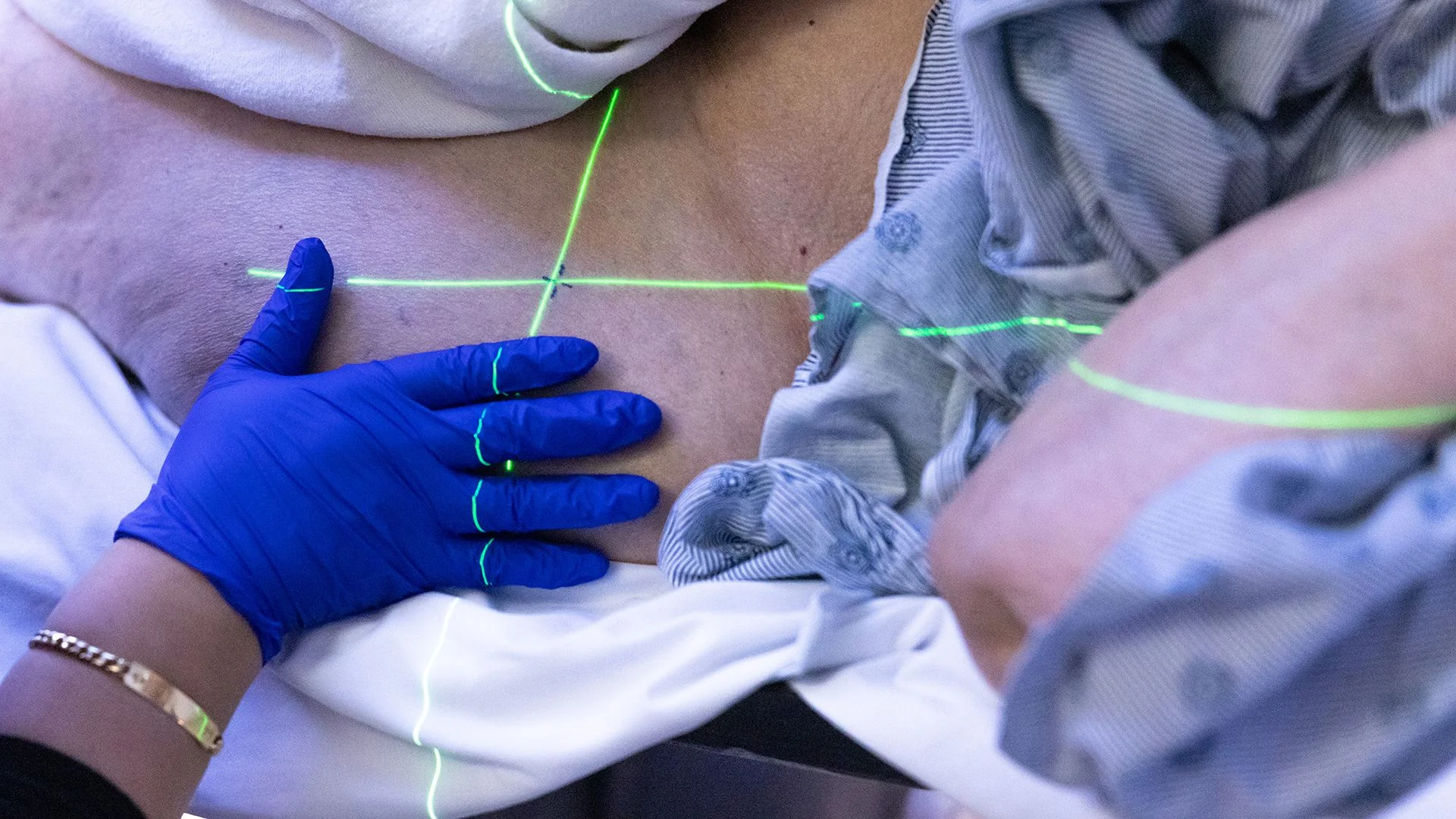
Beyond aesthetic purposes, Bruns envisions practical medical applications for PhotoTat. Patients undergoing radiation therapy often receive permanent tattoos to help align treatment beams. While effective, these marks can serve as painful reminders of their procedures. The new ink could allow such markings to be visible only during treatment, remaining hidden afterward. Addressing emotional aspects of medical treatment can significantly enhance patient experiences.
Bruns has spent years exploring innovative tattoos, including a dosimeter tattoo that tracks UV exposure and another that indicates gamma radiation exposure. "For professionals such as astronauts or nuclear engineers who require some form of exposure monitoring, this solution can keep them informed through a skin-based system," he argued. Such applications could redefine self-monitoring methods in hazardous occupations, integrating technology into daily life in a way that’s personal and less intrusive.
Currently, only the purple PhotoTat ink has been commercialized after undergoing thorough medical testing, proving its safety for use. This is more significant than it looks. Available for $100 per small bottle, Bruns aims to expand the product line and make additional colors accessible at a lower price as research continues. However, the real challenge will be whether this ink captures a market willing to pay for the luxury of customization.
Looking Ahead: Implications and Significance
What this means for you, whether you’re a tattoo artist, an enthusiast, or just someone curious about body art, is a re-envisioning of how tattoos might be integrated into personal expression. It could break down barriers for people who shy away from tattoos due to permanence. Beyond artistry, the medical applications suggest a potential shift towards more versatile health monitoring solutions.
Yet, as with any emerging technology, questions loom large. Will light activation be practical for everyday use? Could the long-term effects of wearing such a tattoo present unforeseen issues? Consumers will need to weigh not only the aesthetic possibilities but also whether they feel comfortable with the implications of opt-in visibility. As this technology continues to develop and possibly infiltrate the mainstream market, its true impact on both individual expression and medical practices will become clearer. The anticipation surrounding these advancements sets up a thrilling narrative for the future of body art and health technology.
Discussion
Sign in to join the discussion.