Archaeologists uncover a 2,000-year-old warrior's grave in Russia, featuring a human sacrifice, gold coins, and luxurious goods, shedding light on Maeotian culture.
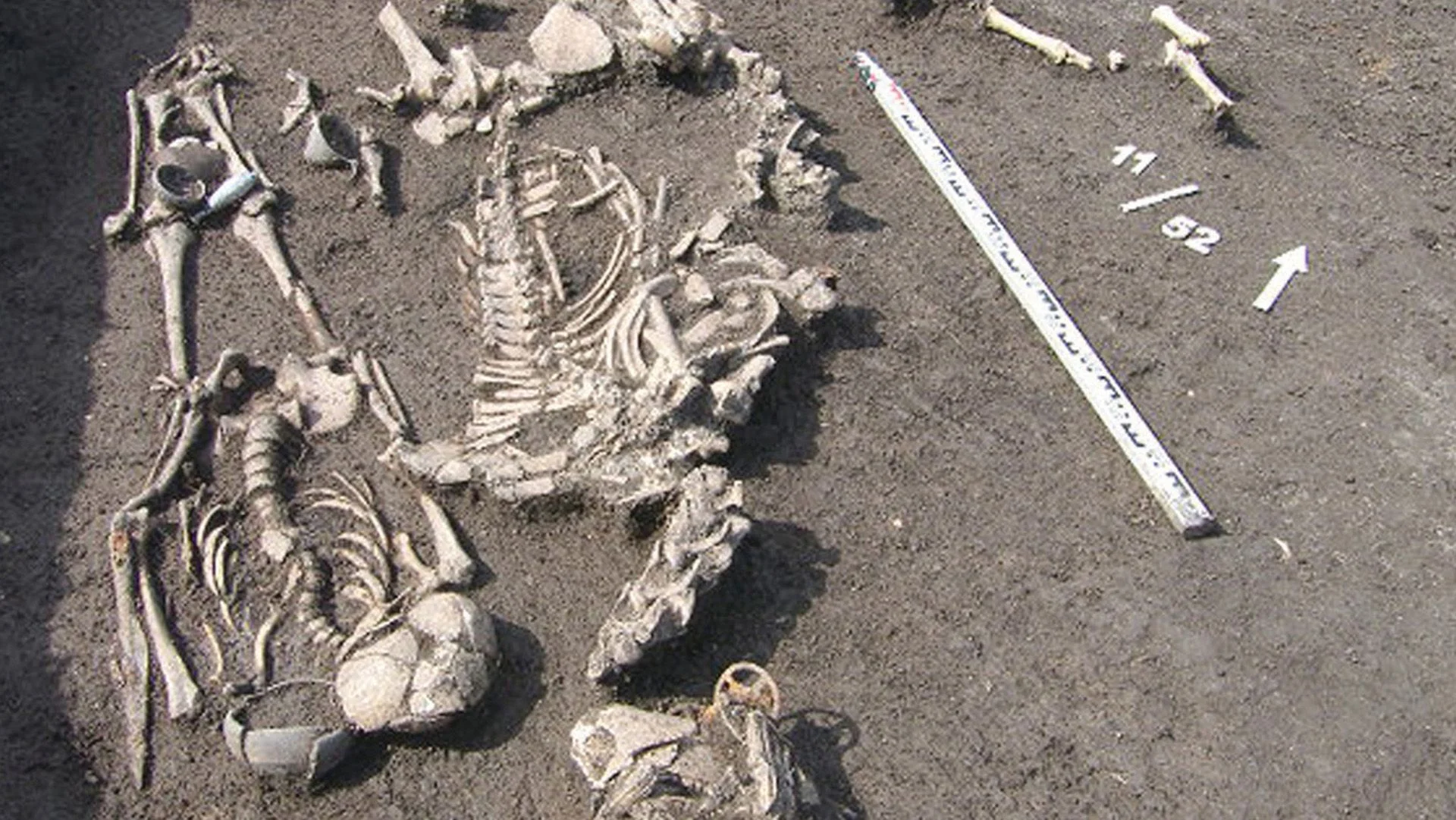
Recent archaeological work in southern Russia has unveiled the grave of a prominent warrior buried around 2,000 years ago, accompanied by his weapons, horse, and compelling evidence of a human sacrifice. This historic find includes opulent artifacts, notably two gold coins bearing the likeness of Alexander the Great, highlighting the warrior’s elite status.
Context of the Discovery
Located in the Kuban region, east of the Crimean Peninsula, the grave sits at the center of a necropolis comprised of over 150 graves. Its central position suggests that the individual was part of the area’s social elite, as detailed in a study published in the journal Russian Archaeology. The Kuban region is richly infused with a history shaped by various cultures, including Greek and Scythian influences. The discovery here serves as a significant piece in piecing together the complex societal structures of the time.
Interestingly, the necropolis also sheds light on the interactions between the nomadic Maeotians and settled Greek civilizations, reflecting an amalgamation of cultural practices and social stratifications. This blend of cultures is pivotal because it paints a fuller picture of the dynamics at play in ancient southern Russia.
Ritual Practices and Sacrifices
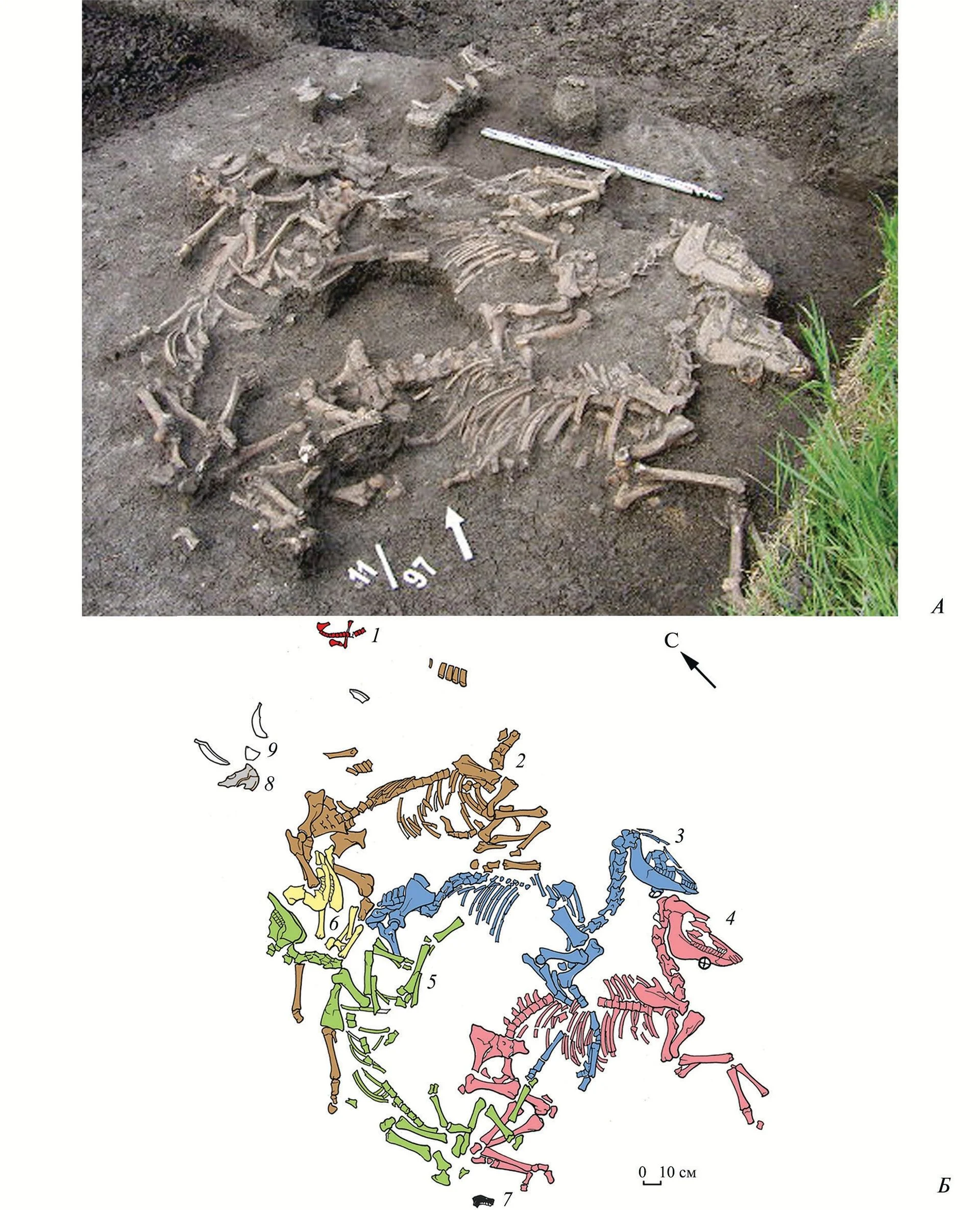
The human sacrifice was identified through a burial adjacent to the warrior's. This secondary site contained the skeletal remains of three horses, two cattle, a pig, a dog, and a fragment of a human pelvis, indicating ritualistic practices that accompany elite burials. Such sacrificial customs were commonplace among elite classes, designed to affirm status and ensure a beneficial afterlife.
In a historical context, sacrificing animals and sometimes humans was often believed to appease the gods or facilitate the deceased’s journey to the afterlife. The presence of multiple species underscores the complexity of these rituals—each animal likely holding symbolic value and significance. If you're working in this space, understanding these practices offers critical insight into the spiritual beliefs that governed these communities.
Significance of the Gold Coins
The two gold coins, one found with the warrior and the other nearby, are seminal to this discovery, dating the burial to the early first century B.C. They served not only as items of wealth but also as indicators of cultural practices among the Noble Maeotian people. The coins likely served as tokens of prestige rather than standard currency, akin to a modern form of wealth storage analogous to cryptocurrency, according to Mikhail Abramzon, the research's lead author. This comparison may seem a stretch at first but consider that both tokens represent value beyond mere numbers.
One of the coins was discovered in a ritual shaft near the burial, presumed to be an offering. The other coin was placed beneath the warrior’s jaw, a ritual act known as "Charon's obol," where items were buried with the deceased for use in the afterlife. This practice highlights a deep-seated belief in the continuation of life after death, emphasizing how the Maeotians prepared their elite for the next phase of existence.
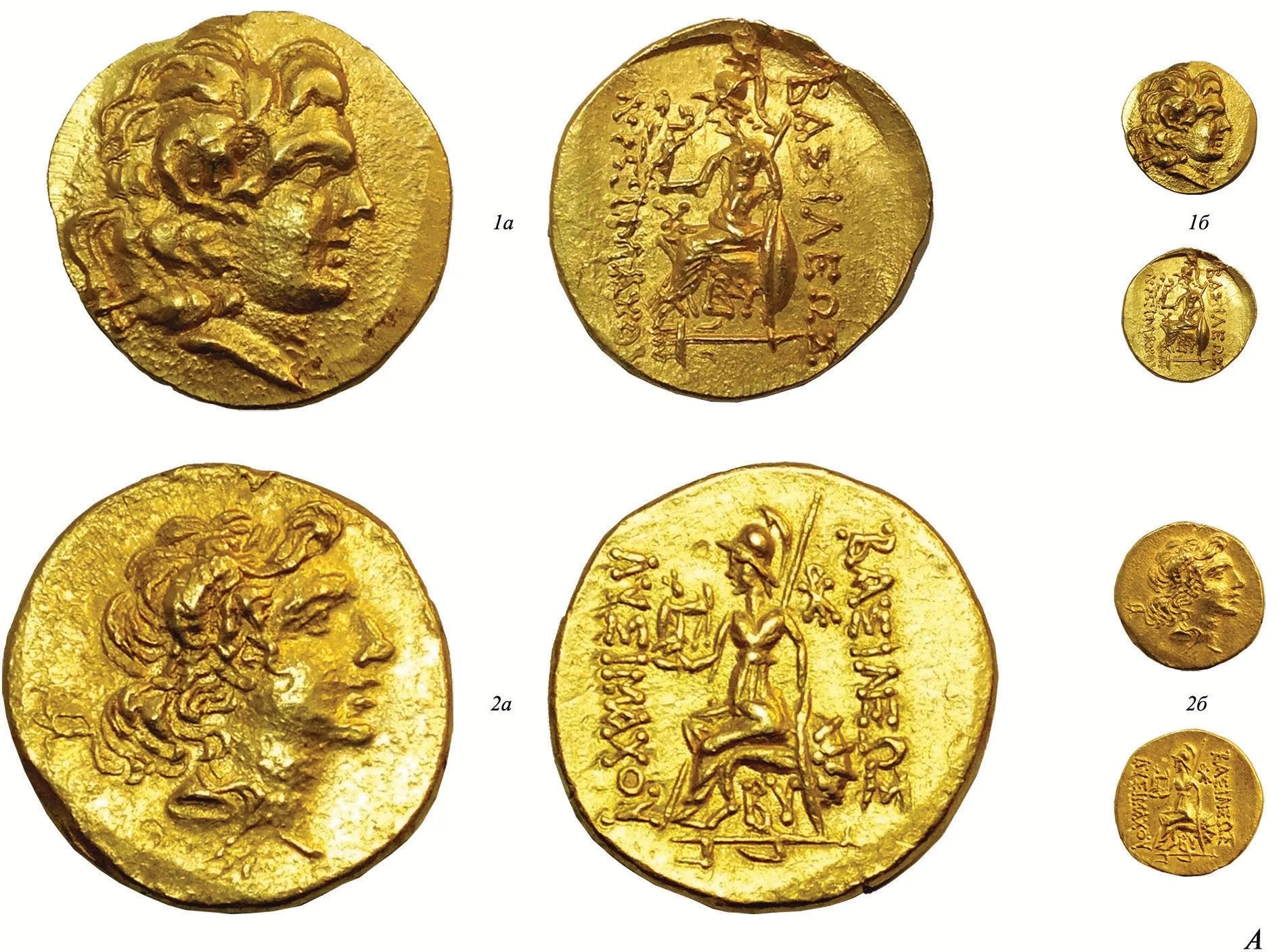
Experts identify these coins as “staters” in the style inspired by Alexander the Great. Interestingly, they were later minted during the reign of Mithridates Eupator, a ruler associated with both Alexander and Persian nobility, suggesting a rich historical intermingling in the region. This exchange is significant, as it demonstrates how cultural and economic ties often shaped the character of societies. Strabo, the first-century Greek geographer, noted that the Maeotians were part of the Bosporan kingdom, a mix of Greek and Scythian cultures, further integrating themselves with surrounding civilizations, especially during their alignment with the Mithridatic Empire against Rome. This undoubtedly paved the way for further exchanges and hybrid cultures.
Luxury Items and Their Implications
The warrior’s grave was filled with weapons like iron spearheads and an iron arrowhead, as well as riding gear. A notable find included a glass "alabastron," possibly imported from Cyprus or the Levant. This luxurious item suggests significant trade connections, hinting at a broader network of commerce and cultural exchange. Such items weren't just luxuries—they symbolized the power dynamics and social hierarchy of the Maeotian elite.
Among other grave goods, a clay cup known as "kantharos," was adorned with a pentagram, indicative of spiritual beliefs rooted in protection against magical forces. Artifacts like these reveal a society steeped in both material and spiritual traditions, each item telling a story of its own.
Researchers propose that the nearby sacrificial animals served distinct purposes. The cattle might have constituted an offering to the divine, while the horses were intended to accompany the warrior in the afterlife. The significance of the human sacrifice is less clear, but it could be inferred that this individual was to serve the warrior in his journey beyond death. This reflects a complex worldview where life and death held intertwined meanings, with sacrifices serving as markers of status and belief.
Broader Implications and Future Outlook
This discovery reveals not just a singular burial site but a mosaic of cultural practices and societal structures that merit deeper examination. As we unearth more about the Maeotians and their practices, we can glean insights into broader historical narratives—questions of trade, power, and spiritual beliefs. What this means for you, especially if you're studying ancient cultures, is that we may be just scratching the surface of what lies beneath.
Future excavations in the region are likely to yield even more artifacts and remains, which will further illuminate our understanding of these ancient societies. As parallels are drawn with other archaeological findings across Eurasia, scholars can build a more cohesive picture of the diverse influences and exchanges that shaped the ancient world. The more data we collect, the clearer the interconnectedness of these communities may become—something to watch closely.
Discussion
Sign in to join the discussion.