A Neanderthal buried 75,000 years ago shows signs of having been killed by a wooden spear, shedding light on the complexities of their existence.
Archaeologists have revealed that a Neanderthal, buried in Shanidar Cave, Iraq, approximately 75,000 years ago, likely met a violent end from a wooden spear that pierced straight through the chest. This finding invites speculation about the circumstances surrounding the individual’s death, suggesting a targeted attack aimed at the heart.
As detailed in a recent study published in Scientific Reports, first author Emma Pomeroy from the University of Cambridge noted that "the position of the wound and the force required to push it right through the Neanderthal's body bear the hallmarks of an intended kill shot." This analysis centers on Shanidar A, an adult who died violently at around 45 years of age.
The Significance of Shanidar Cave
Shanidar Cave is famed not just for its archaeological significance but also for providing insights into Neanderthal burial practices, traditionally thought exclusive to modern humans. While the renowned "flower burial" at the site has been discredited, evidence remains that Neanderthals intentionally buried their dead, indicating they may have attached cultural significance to this site.
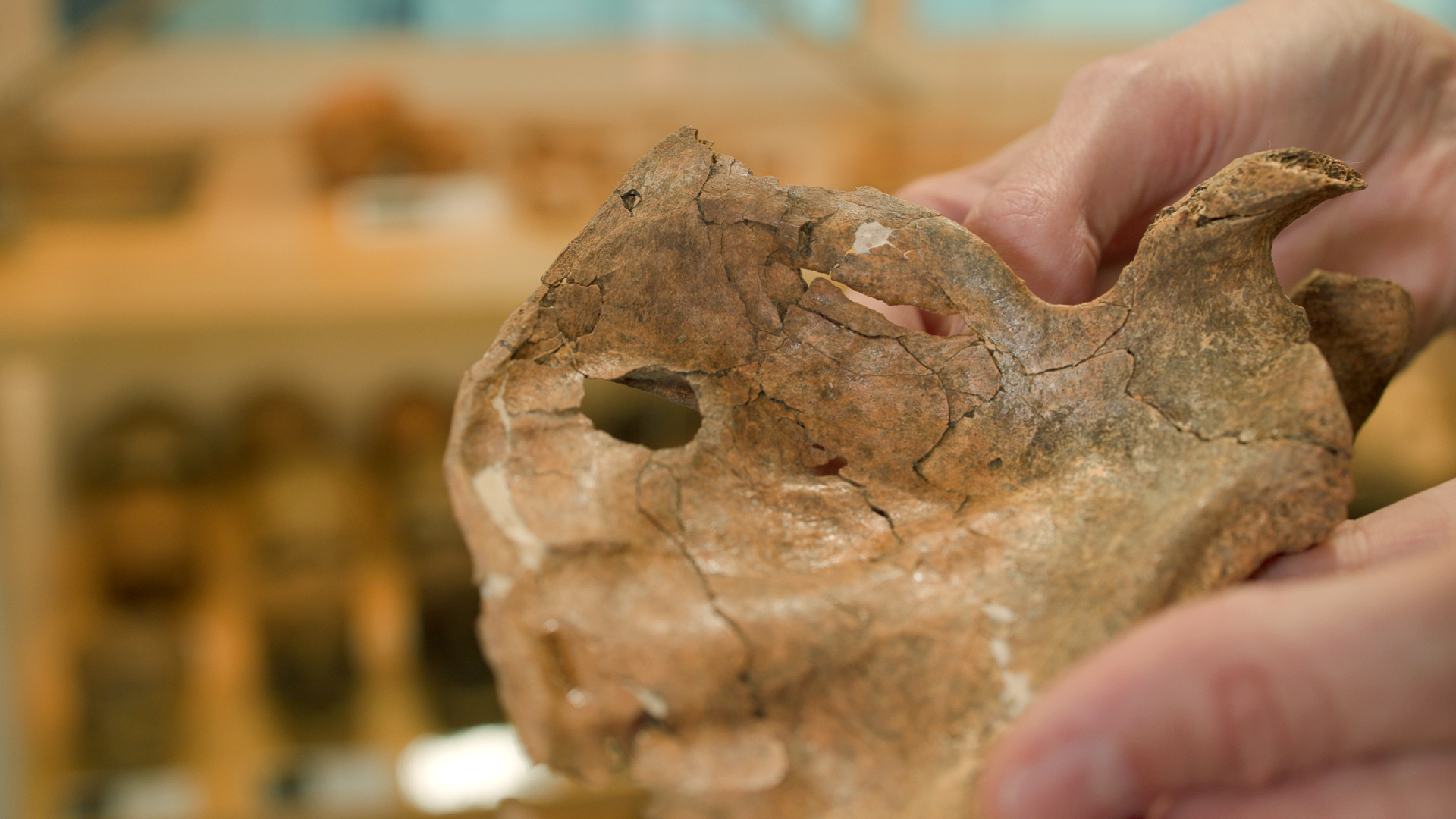
The skeletal remains of Shanidar A were not fully intact at their discovery in 2019, comprising mainly a right hand, three ribs, six teeth, and a left scapula. This lack of completeness hindered efforts to determine the individual’s sex. However, upon examination, researchers identified a circular wound on the shoulder blade, measuring approximately 0.6 inches (1.5 centimeters) in diameter, which they ruled out as post-mortem damage. Instead, it was interpreted as a perimortem trauma consistent with the impact of a penetrating object.
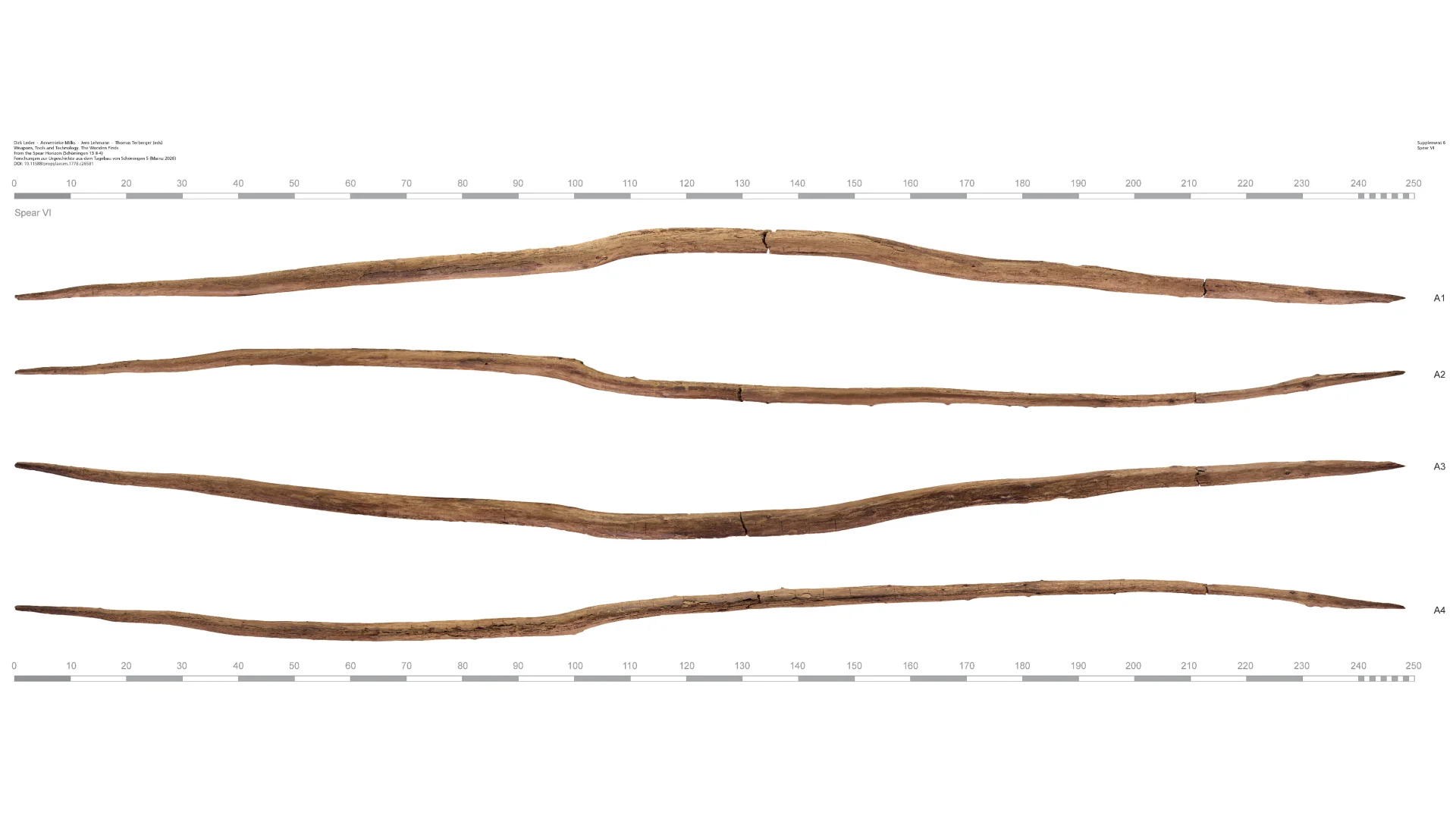
The analysis concluded that the wound's characteristics align more closely with injuries resulting from wooden spears rather than stone-tipped tools. Neanderthals were known to craft wooden spears for both throwing and thrusting, though it remains unclear whether this individual died from an interpersonal conflict or due to a mishap while hunting.
As co-author Graeme Barker remarked, "All we can ever know about the end of this Neanderthal's life is that it was violent, and came at the end of a wooden spear."
The Life of Shanidar A
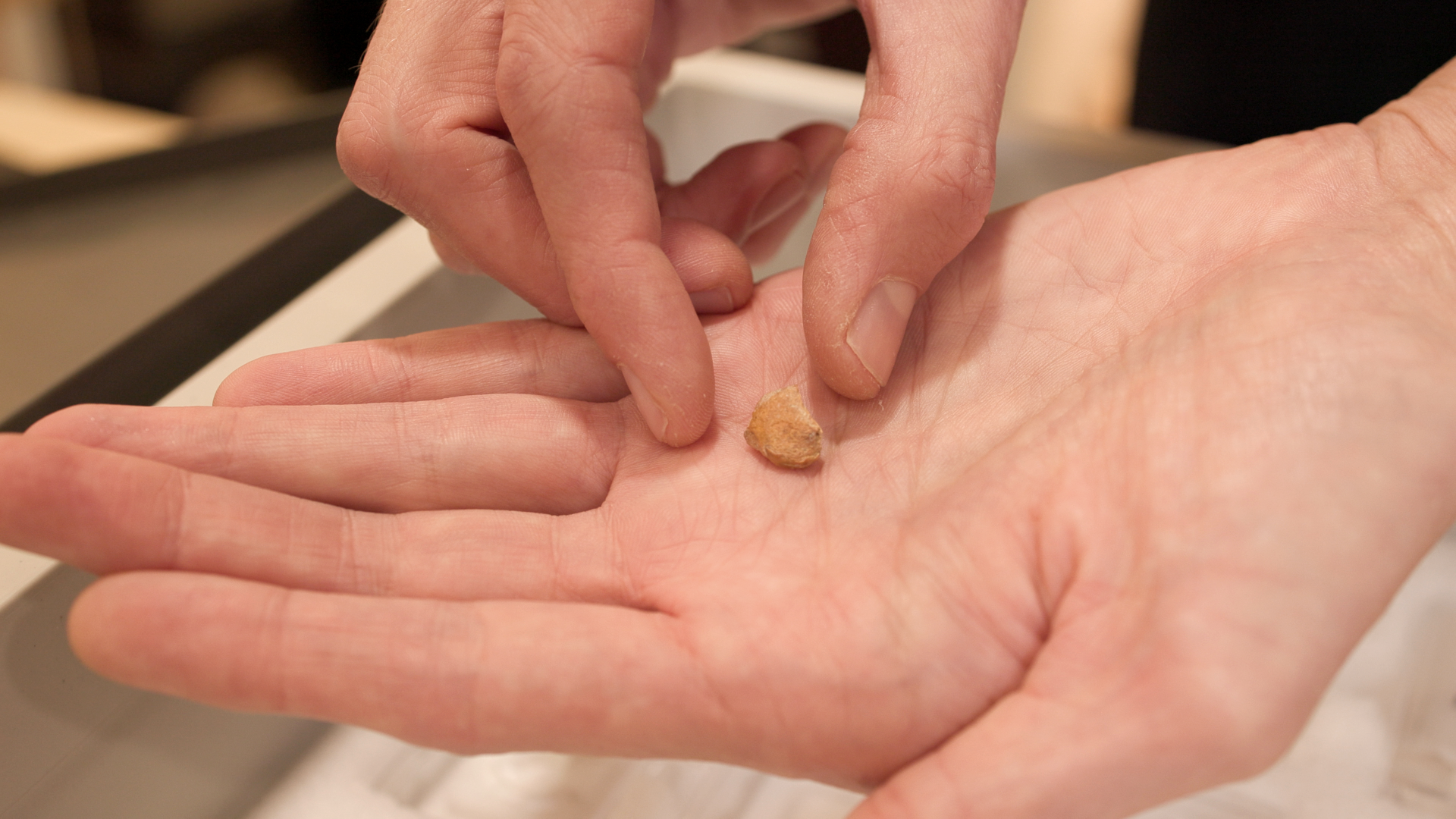
Interestingly, insights from Shanidar A’s dental remains suggest that this individual was likely cared for throughout their life. Examination of the teeth indicated significant wear and a complex history of injury; one front tooth had been fractured, leaving the Neanderthal to cope with ongoing pain while relying on support from others.
Pomeroy asserted, "There’s no doubt that Shanidar A would have had difficulty communicating and been in absolute agony for a long period of time." Surviving such a traumatic injury required significant assistance, suggesting a social structure that provided for the welfare of its members.
Archaeologist Rebecca Wragg Sykes, who did not participate in the study, emphasized that the fatal spear injury contributes valuable insights into our understanding of Neanderthals. She pointed out that while a stab wound from a spear is plausible, considering alternative causes—like a hunting incident involving a wild goat—would add complexity to the narrative.
Context and Comparisons
This incident isn't isolated; researchers previously identified similar patterns of violence at Shanidar, including the remains of Shanidar 3, an older male Neanderthal with a rib wound. The examination of these remains raises questions about the interactions between Neanderthals and possibly modern humans, especially given the timeline of their presence in Europe.
Pomeroy remarked on the intriguing timing of these injuries, indicating they may reflect a broader pattern of migration and interaction within the region. "Neanderthals were repeatedly coming back to Shanidar...leaving their dead there," she explained, highlighting the importance of this archaeological site in understanding both Neanderthal mortality and their cultural practices.
Ultimately, the findings at Shanidar A enrich our perspective on Neanderthal life, coupling incidents of violence with evidence of care and social bonds, which paints a multifaceted picture of this long-extinct species.
Discussion
Sign in to join the discussion.