Space-based solar power could provide vast energy with minimal environmental impact, yet challenges in cost and technology remain significant hurdles.
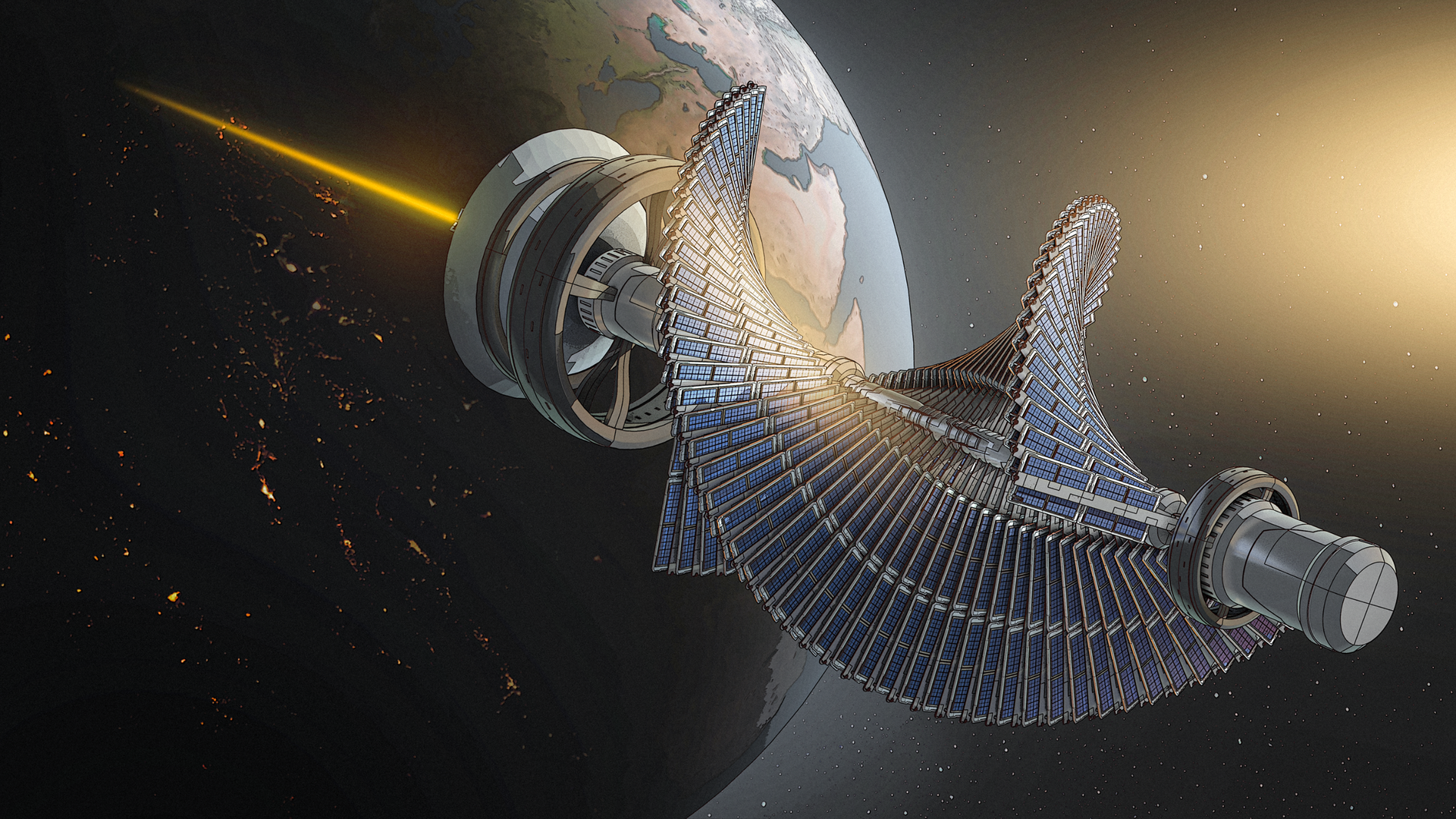
The concept of space-based solar power (SBSP) has long teetered between visionary idealism and stark skepticism. Visualize the year 2050: as twilight descends, clusters of satellites rise against the starry backdrop, not celestial bodies but intricate technologies capturing sunlight to beam pure energy back to Earth. Although the scene resembles science fiction, the groundwork for SBSP has its origins in early 20th-century theories that were once ridiculed as unrealistic.
Today's renewed enthusiasm for SBSP isn’t a passing trend; it’s fueled by an intensifying global interest in alternative energy solutions as space agencies and private ventures from nations like China, the U.S., the U.K., and Japan embark on ambitious projects to bring this theory closer to reality. Noteworthy initiatives include China’s ZhuRi program and Japan’s OHISAMA project, among others. These expansive programs aim for test launches within just a few years, showcasing a serious reconsideration of SBSP’s practicality in a world hungry for sustainable energy.
Advocates for SBSP assert that its potential is massive. The technology could provide far more than just supplemental energy; it could theoretically power entire cities with minimal ecological impact. However, a dose of realism is essential. Critics strongly argue that the costs are prohibitive and the technical hurdles are daunting — complexity and untried methodologies threaten to delay any meaningful transition to space-based power. Key challenges range from launching vast solar-panel satellites to ensuring they remain optimally positioned towards the sun, then converting and transmitting the harvested energy efficiently back to Earth.
Despite these criticisms, the allure of harnessing the sun’s almost infinite energy from space proves irresistible. The sun produces an extraordinary amount of energy every second — enough to power millions of homes. All we need to do is figure out how to effectively capture and distribute it. In the words of Peter Garretson, an expert in this field, “We’re not a competitor to fusion. We are fusion.”
As the narrative evolves from speculative fiction to concrete proposals, the spirit of innovation drives new solutions. Historical figures such as Konstantin Tsiolkovsky first envisioned the concept in the early 20th century, which paved the way for contemporary discussions on SBSP. The field gained momentum in the late 1960s, with aerospace engineer Peter Glaser drafting a significant design for a solar power satellite that included a functioning model for energy collection, conversion, and transmission.
While initial attempts faced roadblocks due to exaggerated costs and ambitious scale, the advancement of technologies — notably in rocket launches and materials — could provide the necessary break-through for a viable SBSP model. The plunge in launch costs, due in part to SpaceX's reusability gains, has sparked renewed optimism about the feasibility of placing these energy-harvesting satellites in orbit.
The recent assessment by the U.K. government indicates that constructing a space-based solar array could be more cost-effective than previously thought, sparking a fresh wave of investment. Satellite architecture varies; projects like CASSIOPeiA aim to tackle the critical issue of solar panel alignment efficiently. Unlike traditional designs that rely on moving parts, CASSIOPeiA uses a unique shape to maintain an optimal position relative to the sun.
However, as promising as these advancements are, the challenge of transmitting energy effectively remains. Ingenious solutions like microwave-beaming or laser-powered systems are being tested, yet each comes with its own technical hurdles. Laser systems, while precise, falter under atmospheric interference, particularly during inclement weather. Meanwhile, microwave-based approaches, favored by various current initiatives, show greater resilience but require significant ground infrastructure for reception.
In this evolving landscape, the journey from imaginative concept to actual deployment of space-based solar power illustrates both the spirit of human ingenuity and the complexities involved in realizing our ambitious energy goals. If successful, SBSP could become a powerful player in the global energy market, redefining how we think about resource accessibility.
Discussion
Sign in to join the discussion.