A recent study reveals that centuries-old skeletons in Montreal show no genetic mixing between Indigenous populations and French colonists, prompting a reevaluation of ancestry claims.
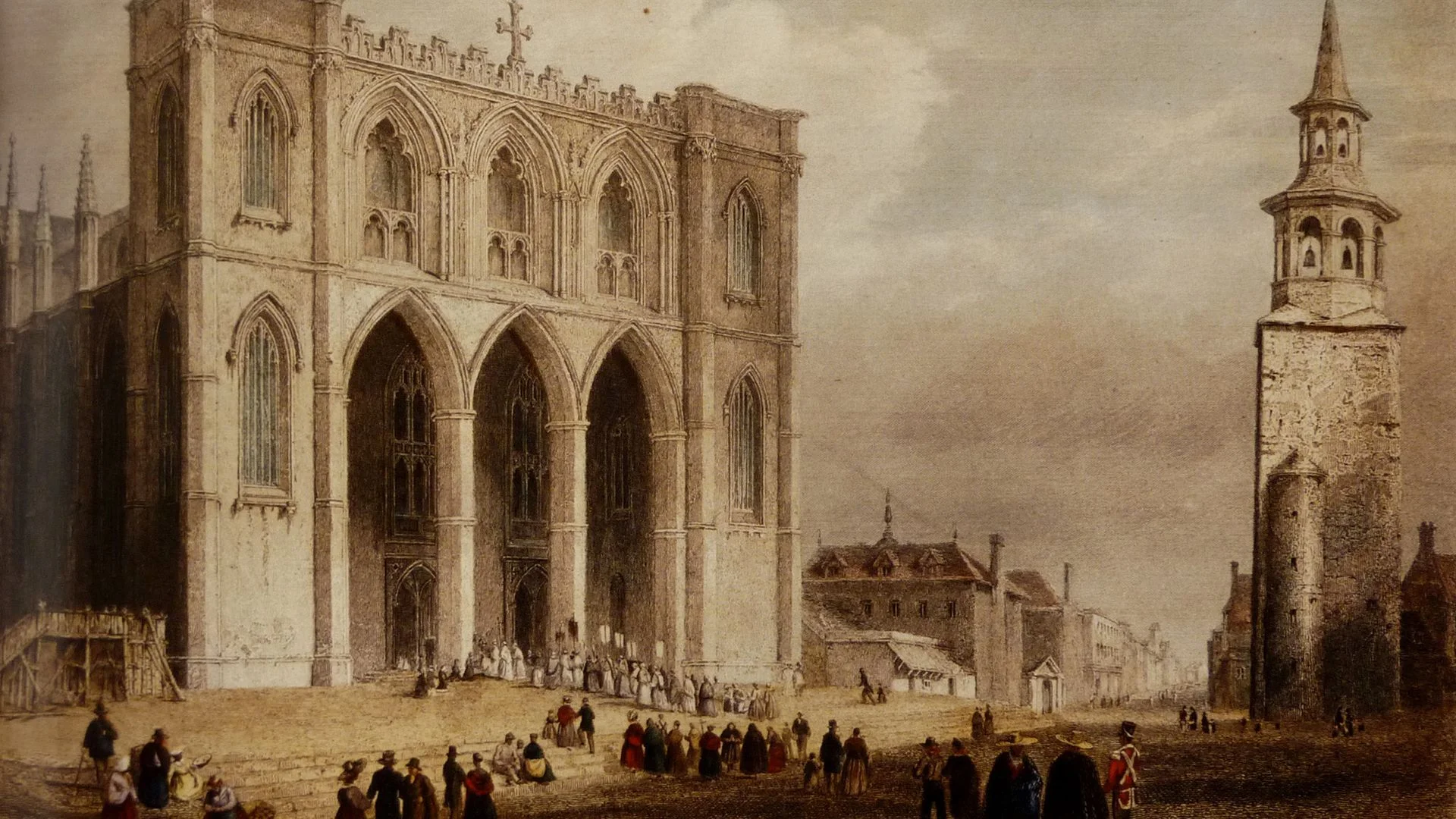
Recent genomic analysis of skeletons from Notre-Dame Cemetery in Montreal is reshaping assumptions about Indigenous ancestry in Quebec. A study published on October 5 in PNAS concludes that there is little evidence for intermarriage between Indigenous people and French settlers during the early colonial period.
Insights from Genetic Analysis
According to the study's lead author, Diane Martin-Moya, a biological anthropologist from the University of Quebec in Trois-Rivières, many Quebec residents hold family narratives of Indigenous ancestry fueled by commercial genealogy and DNA testing. However, she warns that these claims can obscure the rights and identities of Indigenous nations. By analyzing DNA from 45 individuals interred at Notre-Dame Cemetery, the researchers aimed to paint a clearer picture of early Quebec residents. Their findings revealed that all analyzed individuals stemmed from French European ancestry without traces of recent Indigenous or African genetic contributions. This survey casts doubt on the stories of shared heritage that people often find appealing.
The results challenge long-held assumptions and popular narratives about Quebec's colonial past. Many narratives present a romanticized view of a society characterized by cooperation and familial integration between French settlers and Indigenous populations. Yet, the recent findings starkly contradict this perspective. This absence of admixture suggests a possible marginalization of Indigenous and African-descended individuals in the Montreal area during that era, raising questions about the portrayals of an inclusive past. “While our study sample is limited and from one cemetery, it aligns with genetic studies showing minimal Indigenous ancestry among contemporary French Canadians,” Martin-Moya noted, indicating a broader pattern in genetic research.
The Colonial Context
This analysis leads to broader reflections on the dynamics of colonial interactions. As molecular anthropologist Raquel Fleskes, who was not involved in this research, pointed out, the lack of biological relationships hints at a colonial dynamic characterized more by nongenetic bonds than familial ties. In many historical contexts, colonization often fostered relationships that were transactional and exploitative rather than egalitarian. In this case, it implies that French settlers and Indigenous peoples might have engaged more in trade and political alliances than in family intermarriage.
The Cemetery's Complex Narrative
Martin-Moya emphasized that while this study highlights a specific aspect of Quebec's history, it doesn't reflect the entirety of colonial Montreal. The absence of recent Indigenous or African genetic markers in the sample doesn’t imply those communities were completely absent. “Biological ancestry doesn’t define Indigenous identity, which is rooted in cultural kinship and community rather than mere genetics,” she clarified. This statement underscores the fallacy of equating genetic evidence with cultural identity, an aspect often overlooked in discussions about lineage and legacy.
Changes over time in how the cemetery was used likely influenced these findings. Factors such as reburials and urban expansion could have obscured earlier graves, complicating the ancestry narrative. Wealthier individuals were more likely to be exhumed for study, potentially skewing the sample toward lower-class French settlers. This context hints at the selective nature of historical documentation and the complexities that arise when attempting to decode ancestry through skeletal remains alone.
Interestingly, archival data indicate that Indigenous individuals were indeed buried in Montreal’s Catholic cemeteries from the 17th century onward. Yet, as colonial expansion progressed, Indigenous communities found themselves increasingly separated from the burgeoning urban landscape due to land dispossession and the relocation of missions. This dynamic raises important questions about preservation and representation — not just of Indigenous identities but also of the shared history of multiple communities.
“Our findings don’t negate the presence of Indigenous ancestors among Québécois or imply that relationships were solely adversarial,” Martin-Moya stated. “Instead, these relationships encompassed a range of exchanges, including trade, alliances, and familial connections. Understanding any existing ancestry within this historical context is vital.” This framing emphasizes the role of multifaceted interactions that are too often simplified in historical narratives.
Reflection on Ancestral Narratives
The implications of this study beckon a deeper reflection on how ancestral narratives shape contemporary identities and the importance of accurate representation in genealogical claims. The allure of having an Indigenous ancestor is strong, especially in a cultural climate that increasingly values diverse identities. “A single ancestral link from over three centuries ago lacks the same resonance as being part of an Indigenous community today,” she concluded. This observation resonates particularly strongly as society navigates discussions around identity, heritage, and the realities of colonial relationships.
If you're working in this space, these findings might change how you approach narratives around ancestry. They push us to question the romanticized views that legacy can sometimes propagate. (And this is the part most people overlook.) Understanding the true impact of colonialism and its lasting implications is not just for academics; it’s for everyone invested in understanding who we are today.
Curious about the first inhabitants of the Americas? Test your knowledge with our First Americans quiz!
Discussion
Sign in to join the discussion.