MS diagnosis depends on symptoms, imaging and specialist judgment. New protein tests may help, but no single definitive test is on the horizon.

Multiple sclerosis can be hard to identify because no single test settles the question. Doctors have to piece together symptoms, MRI findings and other evidence, while checking that another condition isn’t a better explanation. That complexity helps explain why Christina Applegate’s recent reassessment—more than five years after she was diagnosed with MS—left her without a diagnosis. On a podcast, she described feeling “back at square one, where I don't know what's going on with me.”
Applegate’s experience also underscores a practical point: an MS diagnosis may need to be revisited when new evidence emerges. “It's also really important that doctors and patients be aware that it's not inappropriate to revisit a diagnosis — to make sure it's right,” said Dr. Ari Green, chief of the Division of Neuroimmunology and Glial Biology at the University of California, San Francisco. The frequency of misdiagnosis is difficult to pin down; studies report estimates ranging from 5% to more than 40%, depending on the patient group and clinical setting. MS can also go undetected.
Why an early answer matters
MS is an autoimmune disease in which the immune system attacks the brain and spinal cord. The attacks can harm nerve cells and damage myelin, the fatty coating that helps electrical signals travel along nerve fibers. The resulting lesions can disrupt vision, balance, muscle strength and sensation, among other functions. Some people also develop bladder problems or dizziness.
Untreated disease can cause severe disability, including loss of the ability to stand or walk and, in some cases, partial or complete paralysis. Treatments have changed that outlook by suppressing immune attacks and limiting further nerve damage. Green said severe disability that once might have appeared after 10 or 20 years of disease is now more likely to be modest after 30 or 40 years. MS most often begins between ages 20 and 40, though it can occur at any age.
That makes timing important. “The earlier people initiate treatment who have MS, the better they do over the long term,” Green said. Dr. Yohance Allette, a neuroimmunologist and researcher at Penn State Health, put the clinical priority plainly: “You're trying to be as proactive as possible with this.” Reaching the right diagnosis quickly can help people with MS begin treatment, while an incorrect diagnosis can send care in the wrong direction.
A diagnosis built from several kinds of evidence
Because there’s no definitive standalone test, neurologists assess patients against diagnostic criteria that combine clinical symptoms with results from imaging and laboratory tests. The criteria are updated as medical understanding and diagnostic tools change. Green was among the experts involved in the latest revision, carried out in 2024 and published in 2025.
The evaluation often starts with symptoms that could point to MS, such as changes in balance, vision or bowel control. Those signs vary widely, and they may not immediately suggest a neurological disease. Their timing can offer clues: MS symptoms often worsen over a day or several days, then ease, Green said.
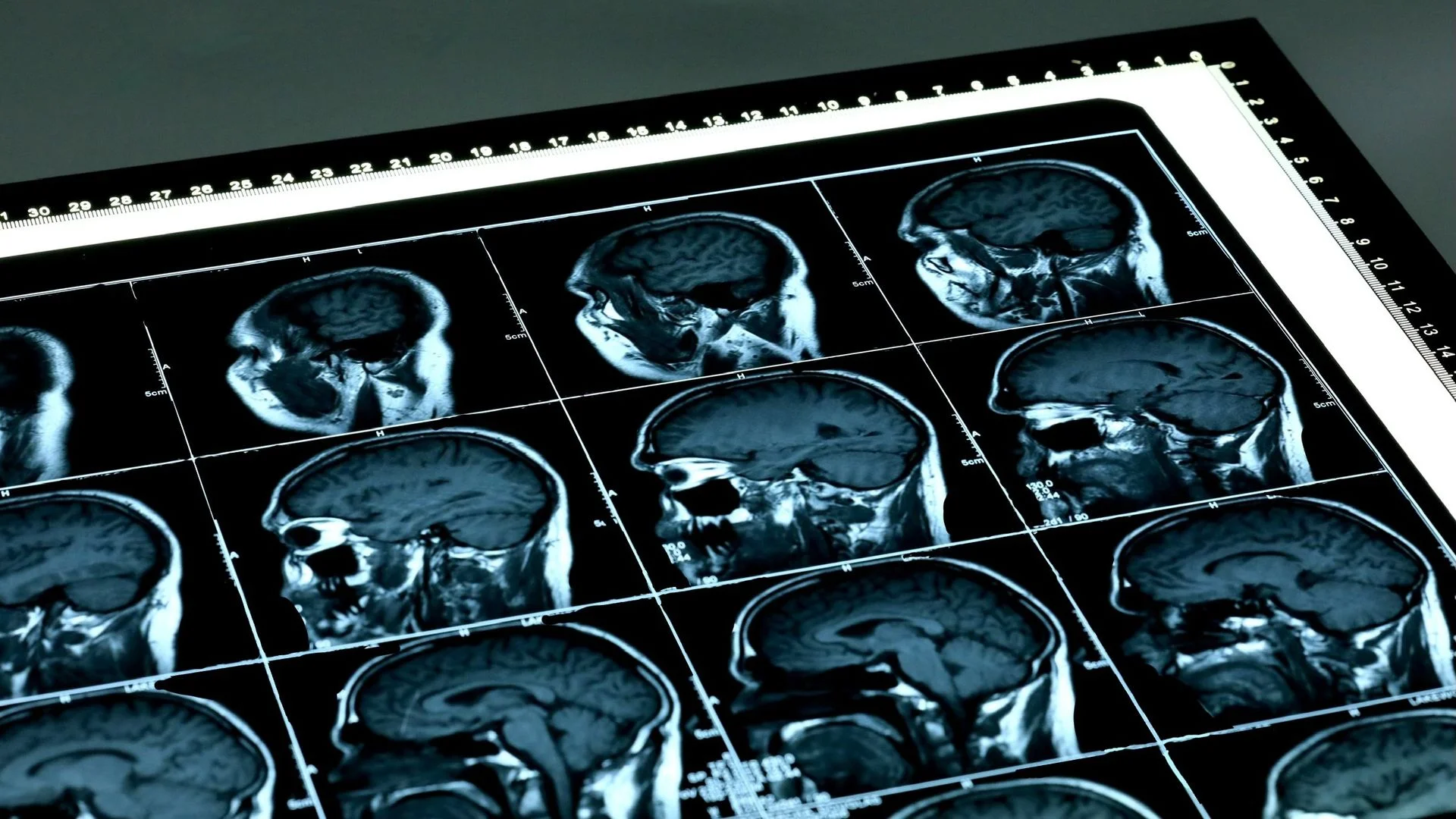
MRI scans of the brain and spinal cord can reveal lesions associated with myelin damage. Neurologists consider the lesions’ location, shape and size; MS damage often appears around blood vessels, where immune cells can enter the brain. But an MRI finding by itself isn’t enough. Migraine, uncontrolled diabetes and vascular disease can also be associated with myelin damage, and the pattern must be interpreted in context.
That interpretation takes experience. Specialists in MS are trained to distinguish disease-related lesions from findings linked to other conditions, Green and Allette said. The latest criteria also place greater emphasis on MRI scans of the optic nerves, Allette noted. Electrophysiologic tests, which measure how nerves function, add information that an image alone can’t provide. “They tell you something totally different than just seeing a lesion on MRI,” Green said.

A spinal tap can provide another set of clues by sampling cerebrospinal fluid, which may contain proteins and inflammatory cells associated with MS. Doctors also use spinal fluid results and antibody tests to investigate diseases that can resemble MS, though some possible alternatives require a more extensive assessment.
Ruling out conditions that look similar
MS is, in Allette’s words, “a diagnosis of exclusion.” Conditions that can resemble it include neuromyelitis optica and myelin oligodendrocyte glycoprotein antibody-associated disease, or MOGAD. Both are autoimmune diseases of the central nervous system. Unlike MS, they are associated with specific autoantibodies that target parts of the nervous system.
Lupus and myasthenia gravis can also produce symptoms that initially look like MS. The work of separating these conditions can take time: some tests rule out possibilities quickly, while other cases require more investigation. Neurosarcoidosis is another condition that can be mistaken for MS. Green noted that some alternatives, including MOGAD and neurosarcoidosis, may worsen with MS medications. If a patient’s symptoms flare after treatment starts, that could be a clue that the original diagnosis needs another look. But flare-ups may be separated by long intervals, so the signal might take time to appear.
Misdiagnosis can also reflect how difficult it is to reach specialist care. Allette said Applegate’s case was surprising because public figures are generally assumed to have quick access to high-quality medical care. For people who face delays in reaching an MS specialist, he suggested, the path to a correct diagnosis could take even longer. He and Green cautioned that they couldn’t assess Applegate’s case without her medical details. She has mentioned that a “new technology” was used to reassess her brain scans, but hasn’t publicly described the method.
What may improve diagnosis next
Green said today’s diagnostic tools can provide a fair degree of confidence, especially when an MS specialist applies current criteria. Still, the tests need interpretation, leaving room for uncertainty. Newer approaches based on proteomics could add useful evidence. These tests profile proteins and smaller protein fragments, called peptides, in blood or cerebrospinal fluid. Researchers can look for molecules tied to immune activity as well as signs of nerve damage.
Such profiles may help clinicians consider multiple biological signals together, Allette said. But no proteomics-based test for MS has been approved, Green emphasized, and he doubts the disease will ever be confirmed with one simple test. Better tools may eventually reduce the number of assessments needed, but a neurologist’s clinical evaluation is likely to remain central.
For patients, the practical takeaway is that an MS diagnosis should be supported by a pattern of evidence and reviewed as that evidence develops. New tests may sharpen the picture, but specialist judgment and a willingness to reassess will continue to shape the route to a reliable answer.
- 'The right diagnosis is unbelievably powerful': It can take years to diagnose rare diseases, and scientists are trying to fix that
- Why are dengue cases surging in Florida this year? An 'unlucky' combination of factors, experts say
- 'Zombie cells' may drive aging, and scientists are devising new ways to get rid of them
Discussion
Sign in to join the discussion.