A new 2D flash memory chip using a solitary electron could drastically improve data storage efficiency and speed, aiming to disrupt the semiconductor market.

Every action taken on your smartphone, from sending messages to capturing images, relies on a multitude of electrons performing crucial tasks. However, researchers in China have taken a bold step forward with the creation of a chip capable of using just a single electron to store data.
In a study revealed on July 16 in the journal Science, the team introduced a two-dimensional (2D) flash memory chip that successfully traps one electron at room temperature. This advancement could significantly cut down the energy required for data processing, addressing the growing demand for more efficient data storage methods.
The chip, dubbed "Guiyi"—meaning "return to one" in Chinese Buddhism—symbolizes the minimalistic approach to data storage. The South China Morning Post has even referred to it as the “holy grail” for semiconductor technology.
Enhanced Signaling from a Single Electron
This technology stands to tackle persistent barriers related to energy efficiency, speed, and stability—elements that are increasingly crucial as we demand more from our devices. With the explosion of internet-connected devices and the rise of data-intensive applications, the need for efficient data storage and retrieval has never been more pronounced. According to study co-author Chunsen Liu, an engineer at Fudan University, the ability to shift a single electron’s state to represent information could lead to significant energy savings and expanded storage capabilities. That's a game changer for everything from smartphones to data centers.
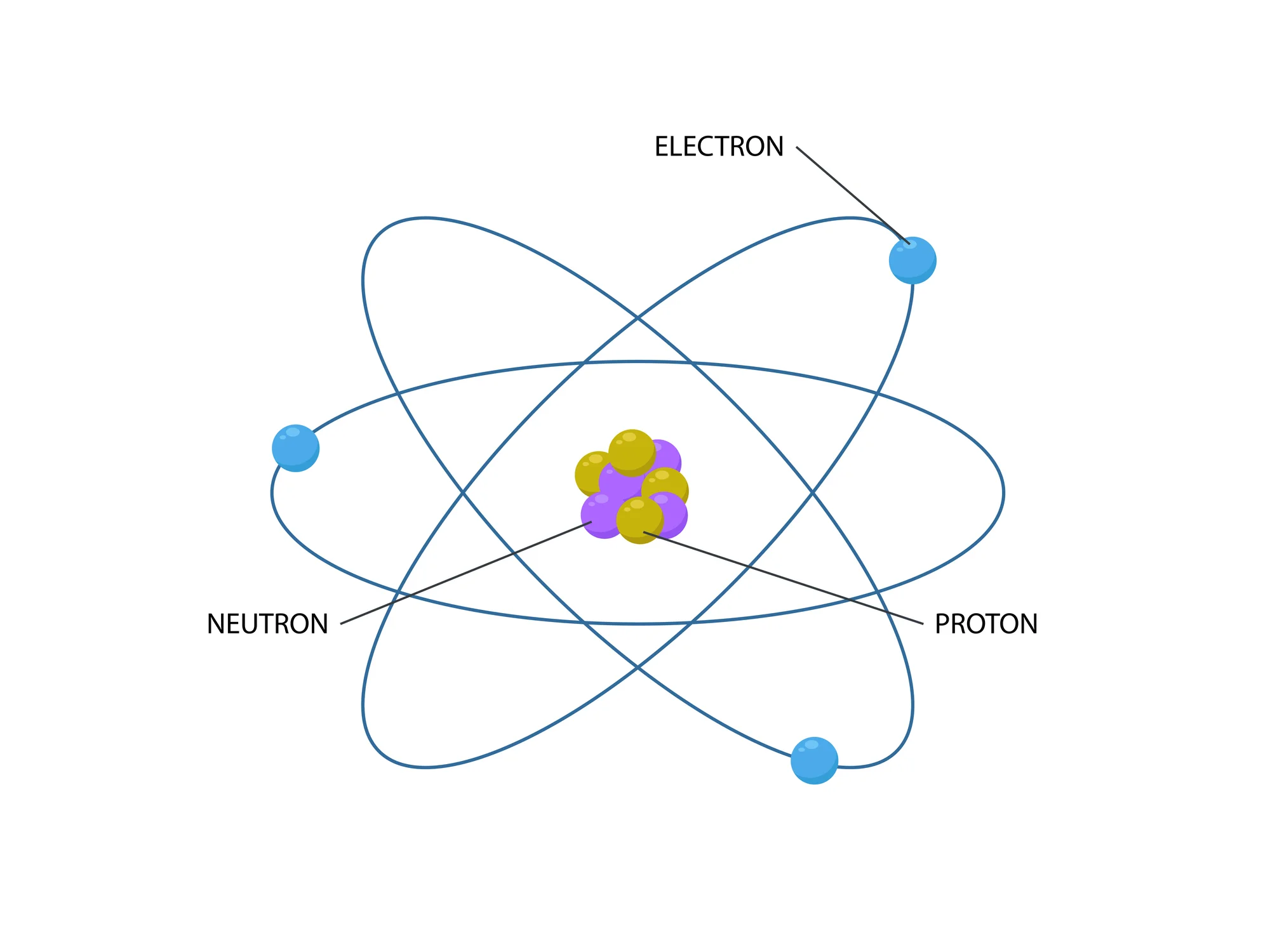
Historically, attempts to store data with a single electron faced challenges due to weak signals, which made the data hard to read. Picture trying to detect the ripple created by a single drop in a vast ocean; it’s a daunting task. Overcoming this challenge was a significant hurdle in developing technology. The researchers designed the Guiyi 2D flash memory chip with a graphene layer situated before the floating gate, a space where electrons can be maintained, even when power is off. Graphene's intriguing properties, including its single-atom hexagonal lattice, optimize electron movement, allowing for faster traversal with minimal resistance. This design innovation helps electrons gain speed before entering the floating gate where they are captured.
The outcome was a convincing electrical pulse from a lone trapped electron, emitting a significant 0.5-volt signal—ten times more robust than past single-electron attempts. This is more significant than it looks; in the field of single-electron storage, that kind of signal strength could usher in new levels of data processing efficiency.
Liu emphasized that the efficiency of Guiyi could facilitate quicker data transitions between computing and storage sectors, significantly reducing data transfer delays. He noted, "That would significantly reduce data transfer delays, improve computing efficiency and help expand AI applications across industries.” This improvement could not only speed up processes but also enhance versatile AI functionalities that rely on rapid data analysis.
Scalability Challenges
Guiyi represents ongoing efforts to find new solutions for the memory bottlenecks amplifying around artificial intelligence, as discussed by Andrew Humphris, a professor of nanoimaging at the University of Bristol. The widening performance gap between processor speeds and memory capabilities poses significant challenges, especially as AI workload demands increase. Manufacturers are scrambling to meet these demands with new technology.
Simultaneously, some of the leading manufacturers of NAND flash memory, like Samsung, SK Hynix, and Micron, are shifting focus from traditional non-volatile memory solutions to high-bandwidth memory. The implications of this pivot are substantial: it’s led to a supply shortage in NAND products and rising costs. This context serves to heighten the importance of technologies like Guiyi that promise faster, more efficient data transfer capabilities. If this tech delivers on its promises, it could alleviate some pressures on manufacturers struggling to meet unprecedented data demands.
However, while Guiyi serves as a compelling proof of concept, its transition to commercial application isn’t without challenges. Humphris cautioned, "A scientific breakthrough can only transform an industry when it can be produced reliably, repeatedly, and economically." The skepticism is valid, especially considering how many promising technologies have faltered during the commercialization phase. There’s often a yawning gap between achieving a scientific milestone and making it viable at scale.
- Scientists say they've eliminated a major AI bottleneck — now they can process calculations 'at the speed of light'
- What's the biggest bottleneck to building better AI? It's no longer the lack of computing resources — it's generating enough energy to feed it
- New memory chip controlled by light and magnets could one day make AI computing less power-hungry
Future Outlook and Significance
The path to commercialization requires not just innovation but also resilience. Lead researcher, Zhou Peng, plans to establish a company by year-end aimed at bringing this technology to market within three to five years. If successful, this could essentially transform the flash storage industry, setting a new benchmark for efficiency and processing speed.
If you’re working in this space, you might want to keep an eye on Guiyi's development. The implications here stretch beyond mere data storage; they’re about rethinking how we can approach memory technology. The excitement is palpable, but the challenges remain substantial. Will it deliver within the projected timeframe? Only time will tell.
(and this is the part most people overlook) The significance really lies not just in this specific chip, but in the lessons it conveys about the future of technological research. It’s a reminder that while the science can be compelling, turning that science into a reliable, manufacturing-ready product involves numerous hurdles. Tech advances don’t just happen; they evolve.”
Discussion
Sign in to join the discussion.