Harry and Meghan's return to the U.K. raises questions about their motives and the evolving media landscape in light of recent tragedies.
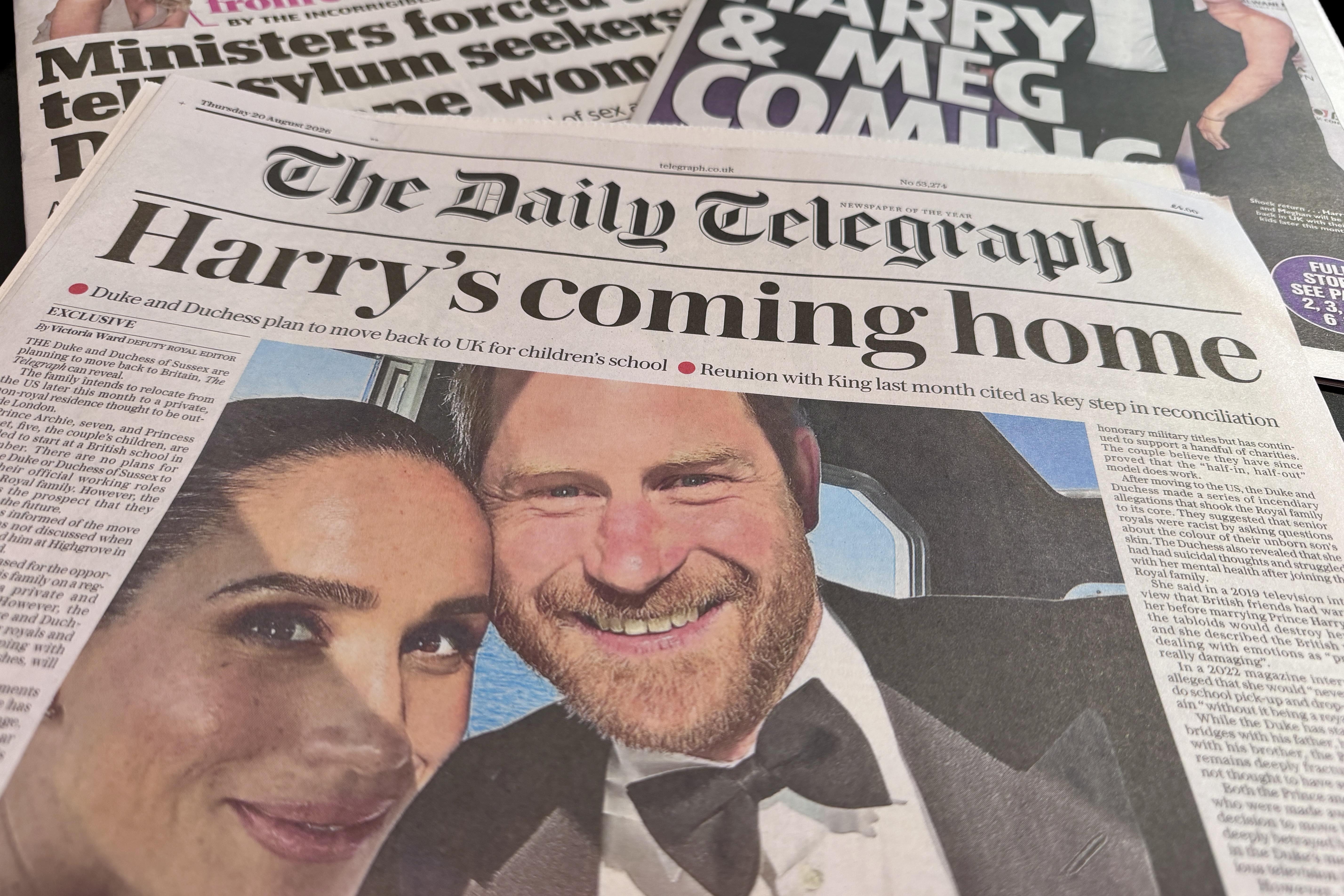
After a six-year hiatus in California, Harry and Meghan, the Duke and Duchess of Sussex, are making a significant return to the U.K. While details remain scarce, they’re expected to arrive within weeks and will settle in an undisclosed location outside London. Notably, the couple will not resume royal duties and appears to be distancing themselves from Prince William and Kate Middleton amidst ongoing family tensions.
The Driving Forces Behind Their Return
The reasons for their return seem multifactorial and may be tied to personal life stages. With children approaching school age, there are practical considerations around education—they may seek reputable private schooling options available in the U.K. Education in the U.K. can be competitive, especially for elite private institutions, and the Sussexes may be weighing their children's future against a backdrop of tradition and opportunity. Furthermore, the aging of King Charles III could be prompting a desire for familial connection. The stakes here are personal: maintaining ties to family is often vital, especially when facing generational changes within the monarchy.
Interestingly, this announcement came after weeks of speculation, with the king reportedly learning of their plans only recently, despite Harry having previously stated he couldn't foresee returning to the U.K. The complexity of their return speaks to the emotional undercurrents at play here. It appears this move may not be permanent, as the Sussexes will maintain a home in Montecito, allowing them to travel as they choose. This dual residency indicates a careful balancing act—one that reflects their commitment to their children while also honoring their desire for autonomy away from royal obligations.
The Media's Role in Their Journey
Though the details of where they’ll reside may not captivate the broader public, they do provide fertile ground for the U.K. press, which will undoubtedly embark on speculative narratives about Meghan's fashion choices or the family's lifestyle. This speculative coverage has consistently proven to be a double-edged sword. It provides entertainment for the masses but often crosses ethical lines, resulting in invasive reporting that can affect the subjects deeply. Yes, the fascination with celebrity culture can lead to a voyeuristic approach to their private lives—the very thing Harry and Meghan have sought to escape.
Navigating Press Intrusion: A Parallel Story
The larger media narrative surrounding Harry and Meghan’s return is colored by a recent tragic event involving Jason Arday, a 37-year-old academic who became the youngest Black professor at Cambridge University. His rapid ascent was marred by serious accusations of plagiarism, leading to intense scrutiny and, ultimately, his resignation. This case highlights troubling trends within the media, where sensationalism often takes precedence over ethical reporting. Disturbingly, the coverage surrounding Arday's plight included instances of egregious racism, with some articles crossing lines into sensationalism and cruelty. Following this relentless media pressure, Arday tragically took his own life, sparking discussions about the responsibilities of journalists and the effects of media coverage.
This situation resonates particularly with Harry, who has long blamed the press for his mother Diana's death. His departure from the U.K. was heavily influenced by a desire to escape media harassment, particularly against him and Meghan, which has included overtly racist reports about his wife. The parallels between the treatment of Diana and the scrutiny faced by Harry and Meghan reveal a systemic issue that continues to plague not just the couple, but many individuals in the public eye. It's a discourse about accountability in a world so readily fascinated by the intertwining of fame and personal tragedy.
Maybe Things Will Be Different This Time
The pressing question is how Harry and Meghan will cope with the scrutiny upon their return. While the tabloid media isn't known for changing its ways, the context may be shifting. With Arday's tragic fate thrust into the spotlight, there may be an opportunity for reflection among journalists about the harmful impact of invasive reporting. At the very least, there’s a growing conversation about protecting individuals from media harassment and the responsibilities of those who document public figures' lives. This is more significant than it looks; as public sentiment shifts, so too could the approach of those tasked with shaping narratives.
Yet, skepticism lingers. Will the media change its approach? There's little to suggest that a culture steeped in sensationalist reporting will transform overnight. Historical patterns suggest that the answer is likely no, as privacy invasions seem almost inevitable from the moment the couple lands in the U.K. It’s a dilemma—one where the media is called to reflect introspectively, yet they remain driven by sensationalism. And this is the part most people overlook: the allure of headlines often outweighs the moral consequences that follow.
The Implications of Their Return
As Harry and Meghan attempt to carve out a new chapter, the interplay of public interest and media ethics remains fraught, underlining the ongoing struggle for privacy in an age defined by relentless scrutiny. What this means for you, the reader, is essential to grasp. Navigating this tension is not just a matter for celebrities; it reflects broader societal attitudes towards privacy, mental health, and the ethics of journalism. As Harry and Meghan step back into the public eye, their experiences may yet influence a reckoning within the media—a chance for journalists to pause and question the cost of their narratives. Will they seize it? Only time will tell.
Discussion
Sign in to join the discussion.