Securing tickets for highly anticipated films like *Dune: Part Three* is becoming increasingly difficult, mirroring the struggles of live concertgoers.
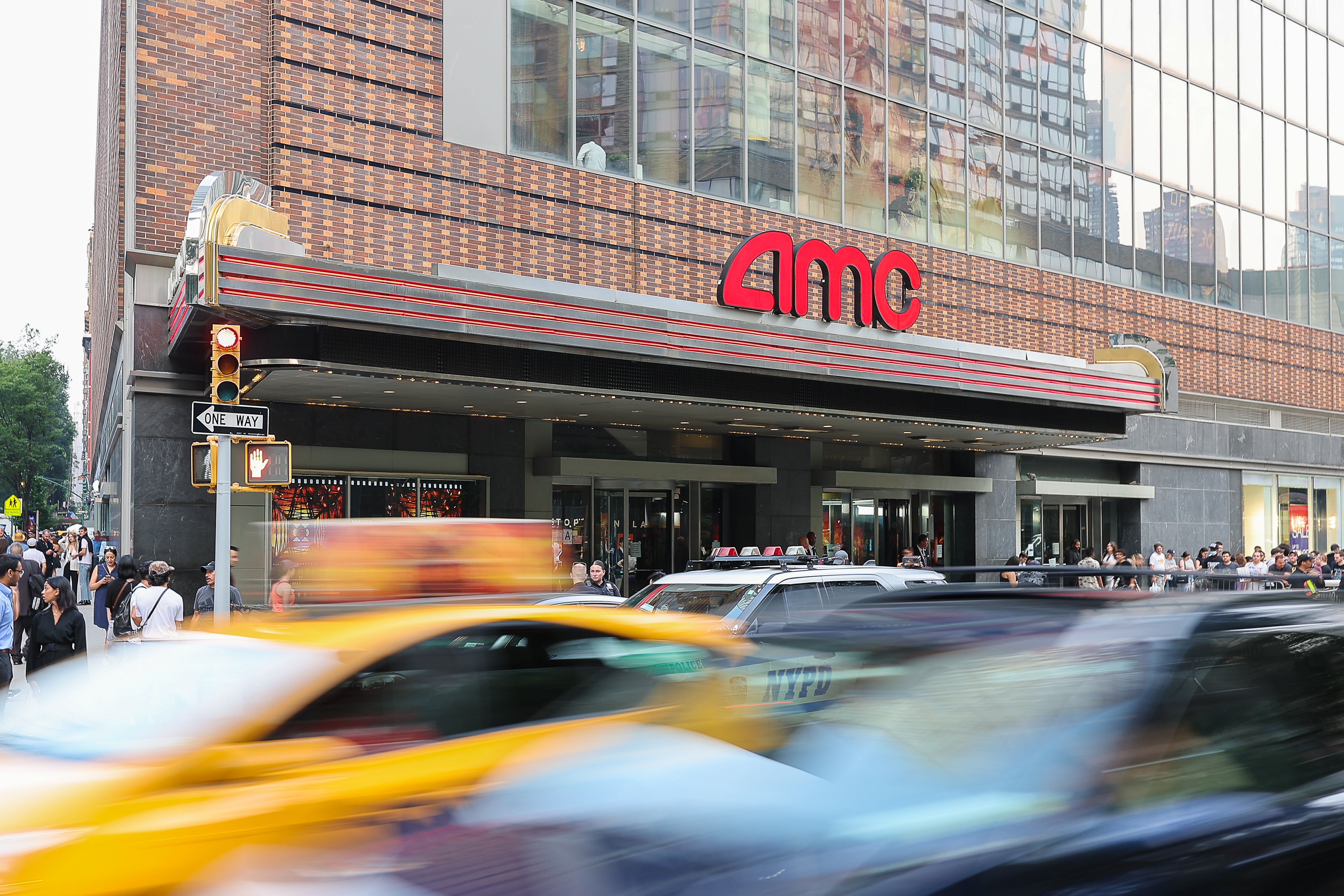
The Challenge of Securing Tickets
In a trend echoing the chaos of concert ticket sales, securing entry to blockbuster films is becoming a daunting challenge for movie enthusiasts. With titles like Dune: Part Three and The Odyssey generating massive buzz, fans are finding themselves in fierce competition for limited seats, particularly in premium formats like IMAX 70 mm. This heightened demand isn’t just a passing phase; it reflects deeper issues rooted in how tickets are sold and the industry's reliance on technology to manage the increasingly crowded marketplace.
The ticket-buying process has transformed. Gone are the days when you could stroll up to a box office and buy a ticket without much hassle. Today, the entire experience has moved online, making it more convenient but also potentially more frustrating. With box-office smoke and mirrors throwing illusions around availability and pricing, casual moviegoers may feel unprepared for the wild ride of purchasing a ticket to see their favorite franchise live on the big screen.
Market Dynamics Impacting Ticket Sales
The recent surge in ticket demand highlights a troubling shift in the entertainment sector. Price surges and automated bots are driving fans to spend hours in online line-ups, only to be thwarted by technical issues or rapid sell-outs. This scenario is familiar to concertgoers who’ve long faced similar frustrations. Events once considered staples now see ticket sales engulfed by automated systems that can snatch seats in seconds, outpacing the average consumer. The outcome? Genuine fans often lose out to sophisticated bots designed to hoard tickets for resale, which skews the market and raises questions about equity in access.
When you think about it, this pattern raises broader industry questions. As studios rely on mega-budget productions to guarantee box office success, they also create an environment ripe for scalpers and bots. The dilemma isn't just about paying for a ticket; it’s about whether you'll even get one to begin with. Those participating in the ticket scramble are investing not just their money but their time and effort in a process fraught with uncertainty. And this is the part most people overlook: the emotional toll it can take when you're pitted against fully automated systems bent on maximizing profit over fan engagement.
Consumer Experience and Frustration
As fans wait in virtual queues, their experience turns into a rollercoaster of hope and disappointment. Sites crash, transactions fail, and suddenly, that once-promising promise of watching a blockbuster in IMAX feels like a cruel joke. The roadblocks don’t just impact individual plans; they also shift the narrative around film consumption in society. The joy of watching a film, an experience meant to be communal and celebratory, dissipates amid technical glitches and ever-spiraling prices.
Moreover, as ticket prices rise—sometimes reaching nearly double their original value for prime seats—the disparity between casual moviegoers and devoted fans widens. As more consumers become disenchanted with the process, there's a possibility that studios and theaters could see a significant backlash. Audience frustration could lead to disengagement, meaning studios will have to rethink their approach if they hope to maintain their customer base long-term.
Strategies in Response to Consumer Pressures
Venues and cinemas are left scrambling to devise strategies that could alleviate these increasing pressures, though effective solutions remain elusive. Some theaters are implementing new ticketing technologies to make purchasing easier and more reliable. They're investing in software designed to combat bots, expand their ticketing infrastructure, and forecast consumer demand more accurately. But these solutions aren’t silver bullets. They often come with their own set of challenges, as upgrading systems to meet new demands means additional costs and potential gaps in service during the transition.
What this means for you as an audience member is a potential shift in how you approach moviegoing. Some theaters are also exploring alternate showtimes or unique viewing experiences to capture a slice of the market, which could help even the playing field somewhat. For the most dedicated fans, notions like subscription services or bundled ticket sales are worth considering. These models offer more predictability, although they also transform how we think about spending on entertainment.
Looking Ahead: The Implications for the Film Industry
The film industry's ongoing struggles with ticket sales put it in a precarious position. If these trends persist, studios might find it increasingly challenging to recoup their investments on blockbuster films. The myth of can’t-miss titles may become increasingly tenuous if ticket accessibility continues to be a headache for audiences.
What’s at stake here goes beyond mere ticket sales; it's about the very fabric of cinema as a communal activity. If studios fail to address these fundamental issues, their audience may drift toward other forms of entertainment, leaving movie theaters—once sacred spaces for shared stories—at risk of obsolescence. Ultimately, in an age when streaming options eat away at theatrical experiences, listening to fans and creating accessible solutions is not just a nice idea; it’s essential for survival in this fierce competition for attention.
Tighten your seatbelt, because the ticket-buying rollercoaster isn't slowing down anytime soon. You might want to start looking at those subscription models now—before they become another elusive chase.
Discussion
Sign in to join the discussion.