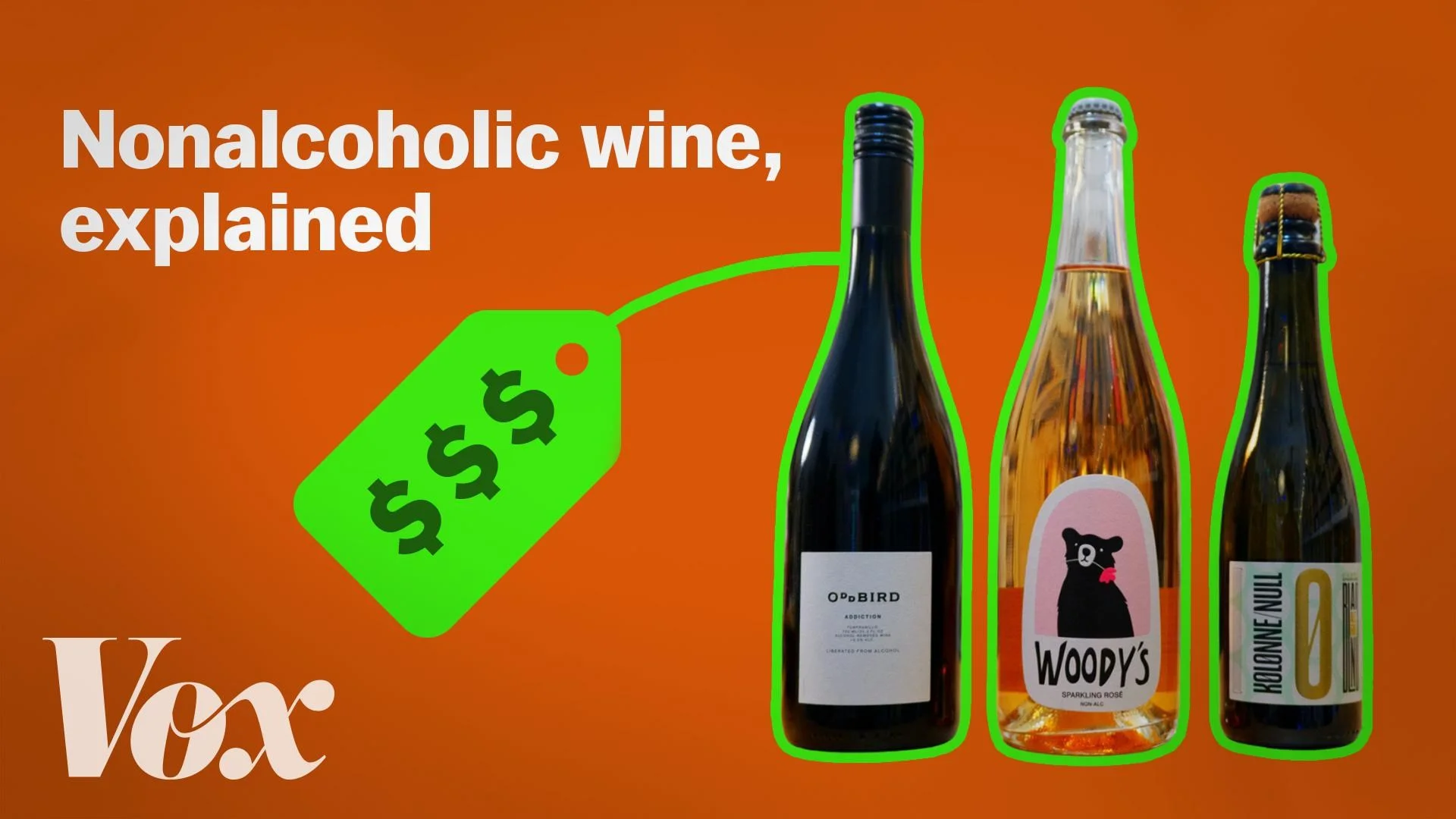
The rising popularity of nonalcoholic wines is driving up prices, stemming from advanced production techniques and market dynamics.
The Surge of Nonalcoholic Beverages
The nonalcoholic beverage market isn't just a passing fad anymore; it's evolving into a significant part of consumer culture. Initially, this shift was often linked to events like “Dry January,” a campaign encouraging people to abstain from alcohol for the month. Yet the true driving force behind this movement is a demographic that's increasingly health-conscious: younger consumers. They are not merely cutting back on alcohol; they’re looking for alternatives that still let them join in on social traditions without the effects of intoxication. In the U.S., sales of nonalcoholic beer, wine, and spirits have seen impressive annual growth—about a 20% increase. Analysts predict the overall market could grow by more than $4 billion by 2028, indicative of a substantial shift in consumer habits and preferences.
Small Businesses Embrace New Opportunities
As the traditional wine industry grapples with substantial challenges, particularly in the face of declining sales, there's a noticeable pivot towards nonalcoholic options. This shift has opened new avenues for small businesses and food scientists alike. They’re venturing into the uncharted territory of crafting premium alcohol-free wines. Companies like Burden of Proof in Los Angeles exemplify this trend. They're not merely producing alcohol-free wine; they’re creating immersive experiences similar to those found in conventional wine shops, aimed entirely at promoting alcohol-free selections. This transformation allows consumers to explore and enjoy a wide range of tastes without the downsides associated with high alcohol content. It’s not just about the drink but about the experience surrounding it, resulting in a vibrant subculture that is reshaping how we think about beverages.
Price Premium Explained
Still, some consumers are caught off guard by the price tags of these nonalcoholic wines, which can rival those of traditional alcoholic options. The surprise often stems from the assumption that alcohol-free should mean cheaper. However, the reality is more complex. The dealcoholization processes that these beverages undergo can be costly and intricate. This technology, coupled with the increasing perceived value of nonalcoholic drinks as a lifestyle choice, justifies the higher price point. What this means for you as a consumer is that while you may be paying a premium, you're also investing in a product that has gone through significant processes to ensure quality and taste.
Additional Insights
If you're keen to explore the nonalcoholic beverage trend further, numerous resources offer a deeper look into its implications:
- California Wineries Burn Vineyards Amid Declining Sales (New York Times)
- Nonalcoholic Drinks: A Billion-Dollar Movement (Nielsen)
- Investors Eye the Non-Alcoholic Beverage Boom (Forbes)
- U.S. Alcohol Consumption at Historic Lows (Gallup)
- Understanding the BevZero Equipment Process (BevZero)
This video is presented by Verizon Business, which supports our editorial endeavors.
The Implications of This Shift
The nonalcoholic beverage trend is bigger than it looks. The implications reach far beyond mere consumer choice; they signal a significant shift in social norms and public health perspectives. As more people reject conventional drinking, industries tied to alcohol — from distilleries to bars — will have to adapt or risk obsolescence. If you're working in this space, it's vital to stay ahead of the curve. Brand repositioning might become necessary, and a focus on quality will be paramount.
This shift may also have long-term effects on marketing strategies within the beverage industry. Companies might need to emphasize how their products fit into healthier lifestyles while still delivering memorable experiences, which can be no small feat. The question remains, though: will traditional drink manufacturers rise to the occasion, or will they ignore this movement until it’s too late? The ongoing interest in nonalcoholic options could potentially redefine social gatherings and engagements in years to come, and it raises intriguing questions about the future of alcohol consumption altogether. It’s a fascinating evolution, and (this is the part most people overlook) the societal implications could be as significant as the economic ones. That’s worth keeping an eye on.
Discussion
Sign in to join the discussion.