Peru's Trade Strategy: Strengthening Ties with Hong Kong While Reassessing China Relations
Published
Aug 20, 2026
Views
1,086
Peru plans to activate its free-trade agreement with Hong Kong, highlighting a shift towards diversifying trade partnerships away from China.
Peru's Strategic Trade Aspirations
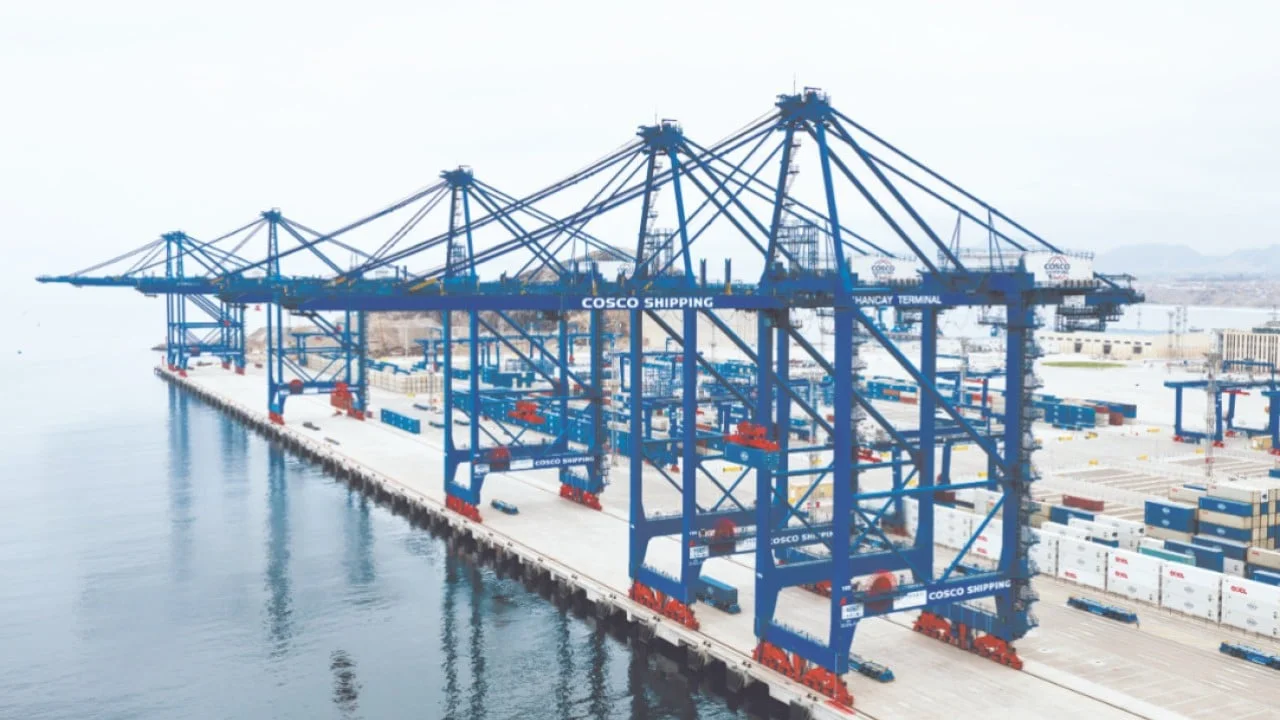
Peru is making headlines with a bold move under its new administration: the country plans to activate its free-trade agreement with Hong Kong within this year. This decision aims to establish Peru as a vital commercial link between South America and the Asia-Pacific—hence, a potential pivot in its trade strategy. However, the absence of any mention of mainland China or the notable Chinese-operated Chancay megaport raises eyebrows. This omission could reflect deeper diplomatic calculations or internal policy priorities, perhaps signaling a shift away from dependence on a single major player.
Prime Minister Luis Galarreta articulated the government’s intentions during a recent address to lawmakers. He reaffirmed that commercial openness would be a continued commitment during President Keiko Fujimori’s tenure. “During 2026, we will promote the entry into force of the free-trade agreement with Hong Kong, advance new agreements, and promote regional exports,” he stated, clearly prioritizing economic engagement. The focus on Hong Kong is emblematic of an attempt to diversify trade relationships, but what about the implications of excluding China?
The long-term vision outlined by Galarreta is particularly telling. His desire for Peru to solidify its role as a hub for trade, investment, and services linking South America to the Asia-Pacific markets reflects a strategic ambition that goes beyond mere trade agreements. Hesitatingly, however, the absence of any reference to China sends mixed signals about the future balance of Peru’s foreign economic policy—hinting at a possible distancing from one of its largest trading partners.
What does this mean for businesses and stakeholders in the region? If you’re tracking Peru’s economic movements, this could signal a pivot away from China's significant influence. Instead, look for Peru to strengthen ties with a broader range of Asian nations—Hong Kong being the first step. This focus on diversifying partnerships might be prudent, given the geopolitical tensions that have characterized U.S.-China relations in recent years. The ramifications of this move are significant. Companies planning to enter or expand in Latin America will need to adjust their strategies as Peru navigates these relationships. It's a landscape of opportunity, albeit one tinged with uncertainty.
The Bigger Picture for Peru's Infrastructure Ambitions
Let's unpack the implications of Galarreta's speech on Peru's infrastructure strategy. By placing a spotlight on domestic concerns like security and economic development while making only a fleeting mention of Hong Kong's role, Galarreta conveys a clear agenda: Peru is prioritizing internal stability and growth over external alliances. This strategic pivot might reflect a recognition of the complex geopolitical currents at play, especially in a region where external involvement—like China's investment in the Chancay megaport—can evoke mixed reactions.
What’s intriguing is how the lack of emphasis on international partnerships suggests a retrenchment from broader economic entanglements. If you’re navigating this space, understanding the nuances of Peru's internal policies will be critical. The country's leadership seems committed to focusing on mining, infrastructure, and government reform, indicating that attracting foreign investment isn't the only goal—they’re also reinforcing command over domestic economic drivers.
This could be a savvy maneuver, particularly given the current global uncertainties. On one hand, it allows Peru to strengthen its economic sovereignty; on the other, neglecting strong ties with powerful players like China might hinder potential growth opportunities. The Chancay megaport could symbolize both a boon and a dilemma: it's essential for Peru's exports but also a reminder of economic dependencies that come with foreign investment. The balance is delicate.
And yet, how does Peru intend to manage this equilibrium? If Galarreta's administration continues down this path, the next few years could redefine Peru's standing not just within South America but on the global stage, as it attempts to carve out its own identity in an increasingly interconnected world. The strategic navigation of this tension will be critical.
Future Outlook: Balancing Internal and External Engagement
As Peru ventures into this new chapter of its trade policy, the implications for both the government and the business community are substantial. The clear intention to boost regional exports and forge agreements with varied partners might reflect a long-term strategy aimed at resilience in the face of fluctuating international relations. If you're in the commerce or investment sectors, keep an eye on how these developments play out—this could very well shape market dynamics.
However, the approach carries inherent risks. By signaling a shift away from reliance on China, Peru might inadvertently isolate itself from lucrative trade opportunities that demand robust partnerships. In light of recent economic models advocating for diversification, Peru's current strategy may indeed be aligned with best practices. But will the drive for sovereignty lead to missed opportunities with an expansive trading partner like China?
The answer isn't straightforward. As stakeholders monitor this evolving situation, the effectiveness of Galarreta's trade ambitions will prove pivotal. The decisions made now will resonate for years, determining not just Peru's economic fate, but also its geopolitical stance in an ongoing tug-of-war between global powers. (And this is the part most people overlook.) In the coming months, the true effectiveness of this trade agreement and its ripple effects will become clearer—a litmus test not only for Peru but for other nations observing how to navigate similar crossroads in international relations.
Source:Teresa Elena Frontado,Igor Patrick · www.scmp.com
Discussion
Sign in to join the discussion.