Cultural Sensitivity and Legal Consequences: The Bali Case of Luzian Andrin Zgraggen
Published
Aug 20, 2026
Views
974
A Swiss tourist's one-year prison sentence for disrespecting Balinese culture underscores the legal accountability of cultural sensitivity for travelers.
A Controversial Sentencing on Bali
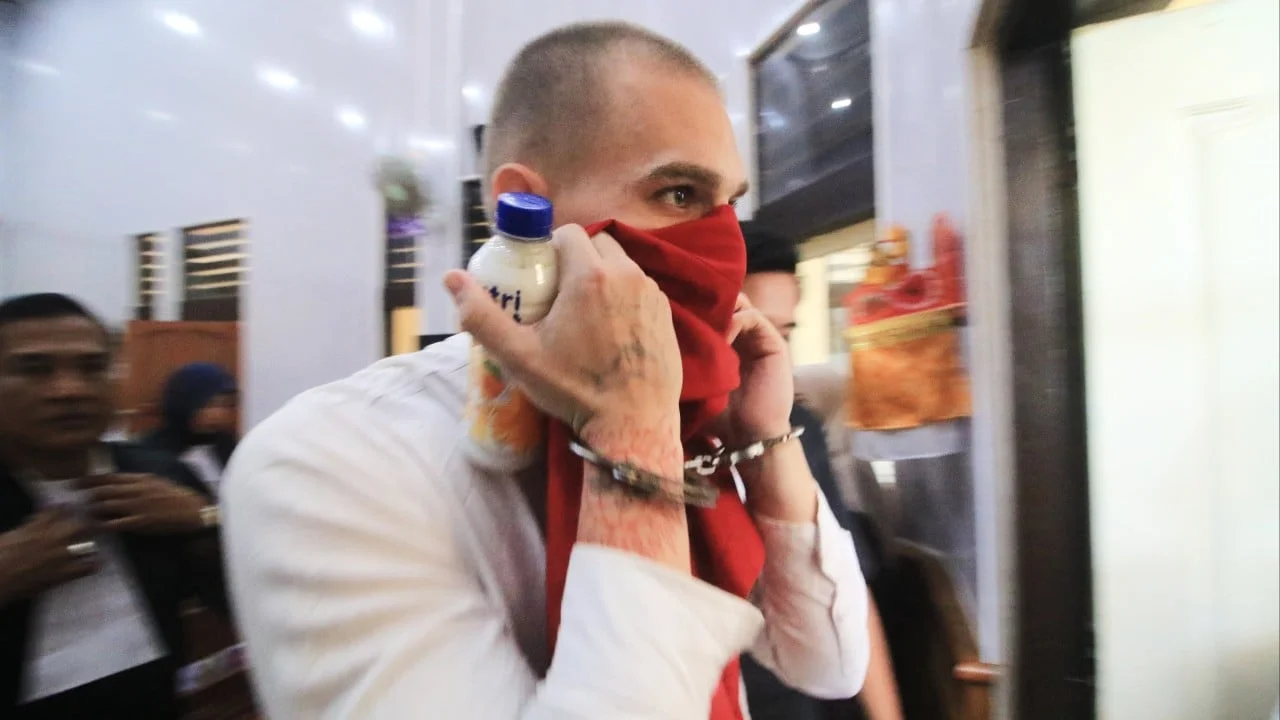
Recent events in Bali have spotlighted the intersection of cultural reverence and legal enforcement, as a Swiss tourist, Luzian Andrin Zgraggen, received a one-year prison sentence for disrespecting a vital aspect of Balinese Hindu culture. This ruling comes against the backdrop of Indonesia's stricter criminal code, which now explicitly forbids actions perceived as insulting to religious practices.
Zgraggen's conviction hinged on his social media posts proclaiming his defiance against the regulations of the Day of Silence, a significant observance during which Balinese residents and visitors are expected to remain indoors in silence to meditate. The Denpasar District Court found that Zgraggen ignored warnings from his villa staff regarding these sacred restrictions, amplifying the outrage his actions provoked within the local community. Judge Tjokorda Putra Budi Pastima remarked, “What the defendant did offended the Balinese people, hurt their faith and provoked public outrage.” This statement encapsulates the broader implications of Zgraggen's actions—not just a personal transgression but an affront to the beliefs of an entire culture.
The Day of Silence, known as Nyepi, typically occurs in March. On this day, Bali transforms into a virtually deserted landscape, an eerie calm enveloping its famed beaches and streets. Even the airport halts operations, and internet access is cut off, highlighting the seriousness with which these restrictions are enforced. This situation raises a fundamental question: How far should legal systems go in protecting cultural practices? If you're navigating the complexities of tourism and cultural sensitivity, this case serves as a stark reminder of the legal repercussions that can arise from seemingly minor infractions.
This sentencing is significant, not just for its immediate impact on Zgraggen’s life but for what it signals to tourists worldwide—cultural respect isn't optional; it's a legal imperative in Indonesia. A failure to recognize this can lead to serious consequences, particularly in a nation where the majority of the populace adheres to strict cultural and religious observances.
Reflection and Implications
The recent case involving Luzian Andrin Zgraggen in Bali scratches the surface of a much deeper conversation about behavior, accountability, and social media influence during a global pandemic. Here’s the kicker: despite stringent travel restrictions meant to protect public health, Zgraggen flaunted these rules on Instagram, showcasing a cavalier attitude toward the very guidelines designed to keep everyone safe. This tendency to disregard public safety signifies more than a mere breach of regulations; it showcases a troubling normalization of risky behavior among influencers and tourists alike.
The implications extend beyond Zgraggen himself; they highlight a societal itch that responds to the tensions between individual freedoms and communal responsibilities. If you’re working in this space—be it tech, travel, or hospitality—this case presents a critical reminder of the importance of social responsibility in our messaging and practices. It’s all too easy to get lost in the allure of social media attention at the expense of public health.
And yet, as we look toward a post-pandemic world, the challenge remains: how do we strike a balance between maintaining personal freedoms and reinforcing the necessity of compliance with health measures? The data doesn't fully explain why some individuals feel immune to social responsibility, but Zgraggen's case could spark necessary dialogue on reforming norms within tourism.
Ultimately, we are at a crossroads where self-discipline and social media conduct need to align better if we wish to emerge from this crisis stronger and more united. What’s clear is that this incident isn't just a simple legal misstep; it reflects broader trends about our collective behavior that can no longer be ignored if we want to foster a more respectful and safe global community.
Discussion
Sign in to join the discussion.