Declining Gaokao Registrations Reflect Changing Aspirations in China’s Education System
Published
Aug 20, 2026
Views
595
China's gaokao registrations dropped significantly, signaling a shift in family attitudes toward higher education and future career paths amid economic realities.
China's Gaokao: A Shift in Aspirations
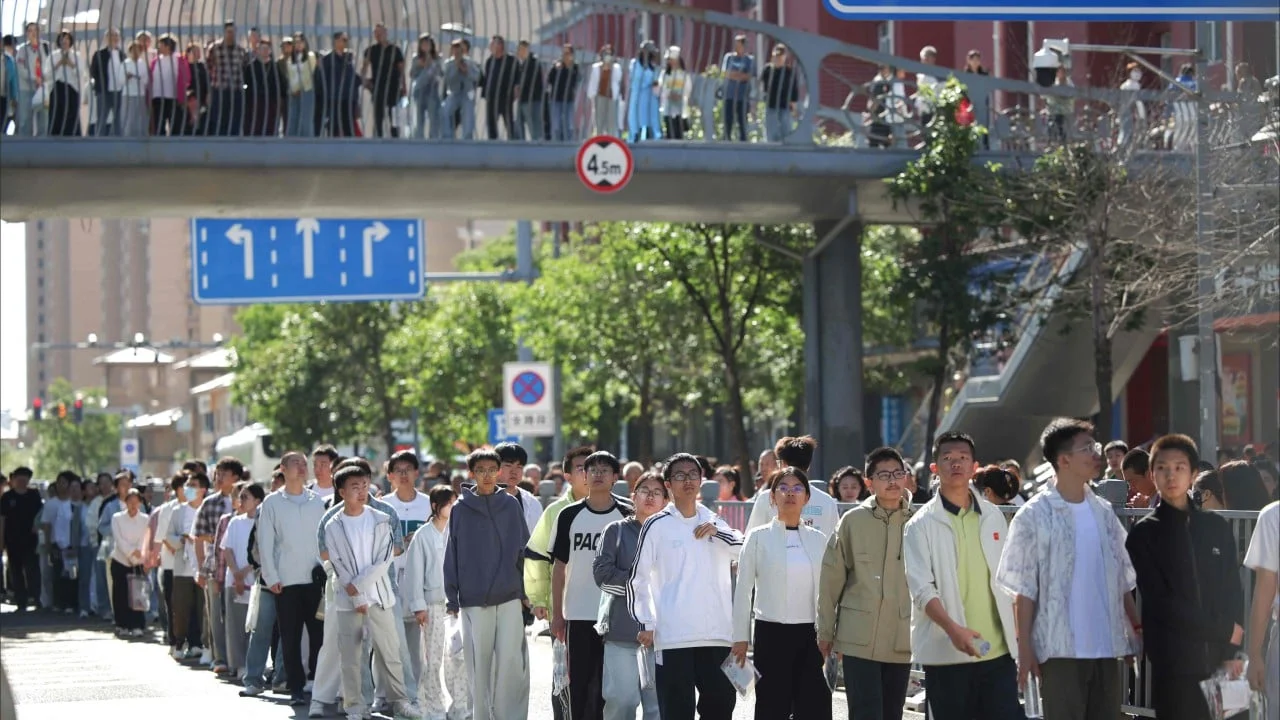
The annual gaokao, China's national college entrance examination, serves as a fascinating lens into the shifting aspirations of Chinese households. This year, the exam drew about 12.9 million candidates, a notable decrease from the 13.35 million who registered last year and from the 13.42 million the year before. This decline isn’t just a blip; it reflects deeper societal transformations and a strategic reevaluation among families regarding the future of their children.
It's not just the raw numbers that are striking; it's what they signify about changing cultural values and economic realities. Traditionally, families have viewed the gaokao and the subsequent university education as a gateway to stability and upward mobility. However, this traditional view appears to be evolving. Many parents seem to be reconsidering whether the investment in a four-year college degree is worth the time, effort, and associated costs, especially in a labor market that has become increasingly competitive and, in many ways, unforgiving.
The decline in participants can also be linked to demographic shifts within China. With declining birth rates and an aging population, the pool of registrants for the gaokao is shrinking. However, beyond these statistics lies a more complex narrative—families and students alike are expressing concerns about whether a university education is the best move for securing a stable, prosperous future. Many seem to fear that the grueling gaokao experience and the ensuing struggle for university placement may not yield the return on investment they once assumed.
What this data hints at raises further questions about where Chinese families are now channeling their resources and aspirations. If you're tracking shifts in education or labor markets, this isn’t just a statistic; it’s a pivotal moment in redefining what it means to pursue success in China. The implications could reshape higher education and workforce development for years to come.
New Considerations in China's Education Landscape
The changing perceptions regarding education in China mirror broader economic realities. Families are recalibrating their strategies, moving away from an unquestioning pursuit of degrees in traditionally high-growth industries to a more nuanced assessment of educational risk and potential rewards. The older assumption that aligning with a growing sector would guarantee a stable career is losing its allure.
Consider the surge in enthusiasm for police colleges as an illustrative example. Enrollment statistics from institutions such as a police college in Zhejiang reveal a concerning trend: acceptance scores are escalating, signaling an increasing number of candidates willing to enter public service. The attraction, however, isn’t based on potential higher earnings relative to careers in the private sector; rather, it’s the promise of a clear trajectory that appeals. The allure of defined steps from education to stable employment is increasingly attractive given the uncertainties in the private job market.
Some might label this shift a "flight to safety." Yet, this interpretation misses a critical point. Today's Chinese families aren't abandoning ambition; they're reassessing their risk profiles. Stability seems to be taking precedence over unpredictability, even if that means opting for less glamorous career paths. The economic strategies of these households are shaping a landscape where job security holds more value than the mere potential for extraordinary wealth.
As the educational preferences shift, the consequences could ripple through various sectors. Higher education institutions will need to adapt swiftly to these evolving expectations. If you're involved in education or workforce development, consider how these changes will affect policy, curriculum design, and funding. The need for clarity and stability in career paths is becoming more pressing. This adjustment reflects a significant recalibration of values, one that could redefine success for future generations in China.
Implications for the Future
The implications of such shifts in educational and career aspirations extend well beyond individual families. Economically, this could lead to a divergence in talent allocation and labor market dynamics. As more students eschew traditional university pathways, industries may experience talent shortages in fields that once attracted droves of applicants due to their perceived promise.
Moreover, we're likely to see a recalibrated discourse around educational reform in China. Policymakers may need to address how public perceptions of education, job stability, and career trajectories are evolving. Implicit in this trend is the suggestion that the current educational system needs to offer more than just academic rigor; it needs to equip students with applicable skills that align well with labor market demands.
This changing narrative also poses questions about social mobility in China. If a significant percentage of the youth population pivots away from traditional university routes, what does that mean for their socioeconomic advancement? The trajectory of job markets could change dramatically, inevitably impacting how companies recruit talent and how workers position themselves within industries.
While individual choices are a matter of personal decision-making, the societal implications could be striking. This isn’t merely about a lower number of students taking the gaokao; it’s indicative of a deeper transformation in how families and students evaluate success and stability in a rapidly changing economic climate. The future of education and career in China seems poised for significant shifts, and how stakeholders respond to these changes will likely define the next chapter in the nation’s educational journey.
Discussion
Sign in to join the discussion.