Recent findings indicate that Neanderthals may have lived in Arabia 55,000 years ago, pushing their geographic range further south than previously understood.
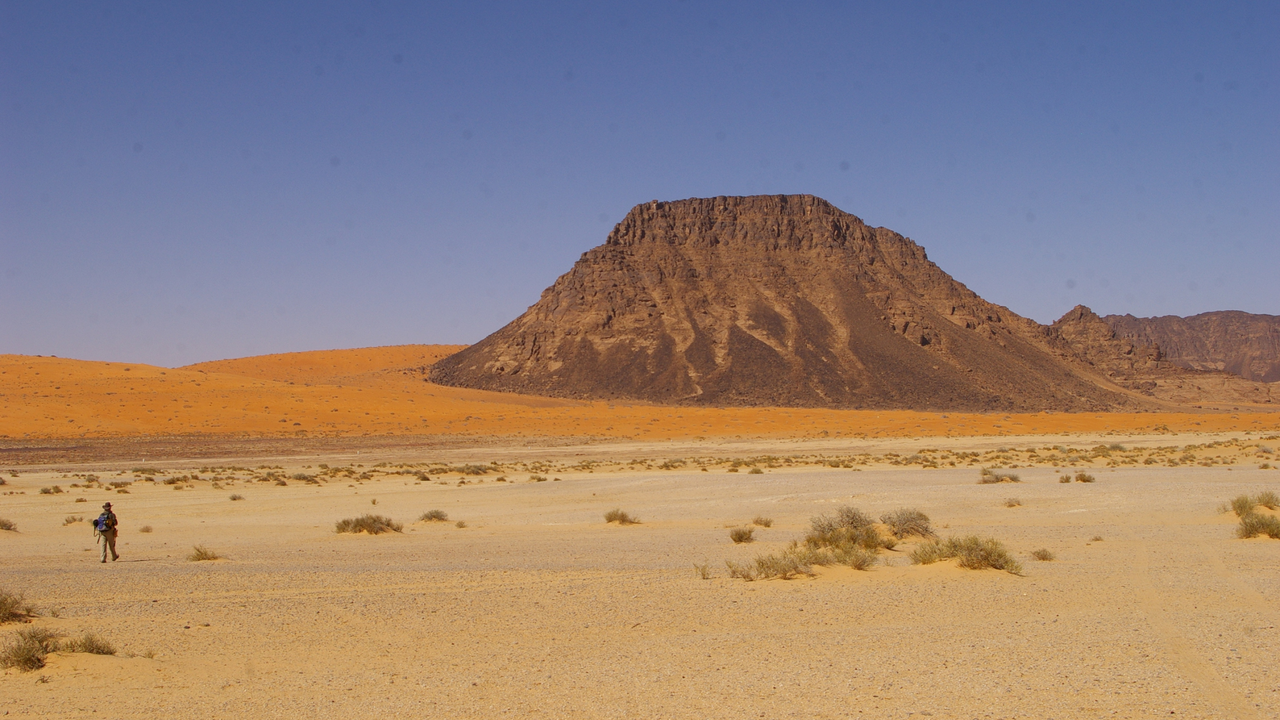
Recent research reveals that Neanderthals might have journeyed further into the Arabian Peninsula around 55,000 years ago, as indicated by an analysis of stone tools discovered in the region. The findings, detailed in a study published on August 12 in the journal Quaternary Science Reviews, suggest a significant extension of Neanderthal habitat into southern territories.
Huw Groucutt, an archaeologist at the University of Malta and co-lead author of the study, stated that the results potentially indicate Neanderthals occupied areas that had previously been deemed inhospitable. His remarks highlight a dramatic reassessment of where these prehistoric humans might have thrived.
The research centered around the Jebel Katefeh-1 (JKF-1) archaeological site, located near an ancient lake close to Jubbah in the Nefud Desert of Saudi Arabia. Notably, no Neanderthal bones have ever been unearthed in this region, leading to questions about the identity of those who crafted the tools found there.
Analysis showed that the tools from JKF-1 shared more characteristics with Neanderthal tools than with those made by Homo sapiens. Traditionally, Neanderthals were perceived as predominantly cold-adapted beings confined to Europe, but emerging evidence has revealed their presence much further afield, including Siberia and the Middle East.
The absence of bones or DNA poses challenges, but Groucutt and his colleagues determined the tools’ origins through the distinctive shape of stone flakes. By measuring numerous sharp stone pieces from JKF-1 and other archaeological sites across Arabia, the Levant, and northeast Africa, they proposed a statistical model that differentiates between Neanderthal and modern human tool-making techniques.
When the model was applied to the stone tools from JKF-1 and a nearby site known as ALM-3, the results strongly favored Neanderthals as the creators of the tools. This finding is particularly fascinating given that the research dated the tools to a period when major climatic changes began to take hold in the region.
The team conducted new excavations at JKF-1 and used optically stimulated luminescence to date sand grains from the site. This method identifies the last time individual grains were exposed to light, revealing that tool usage coincided with a shift toward a wetter climate around 55,000 years ago. As desert conditions transitioned, nearby water sources likely attracted grazing animals, which in turn could have lured Neanderthals deeper into the interior.
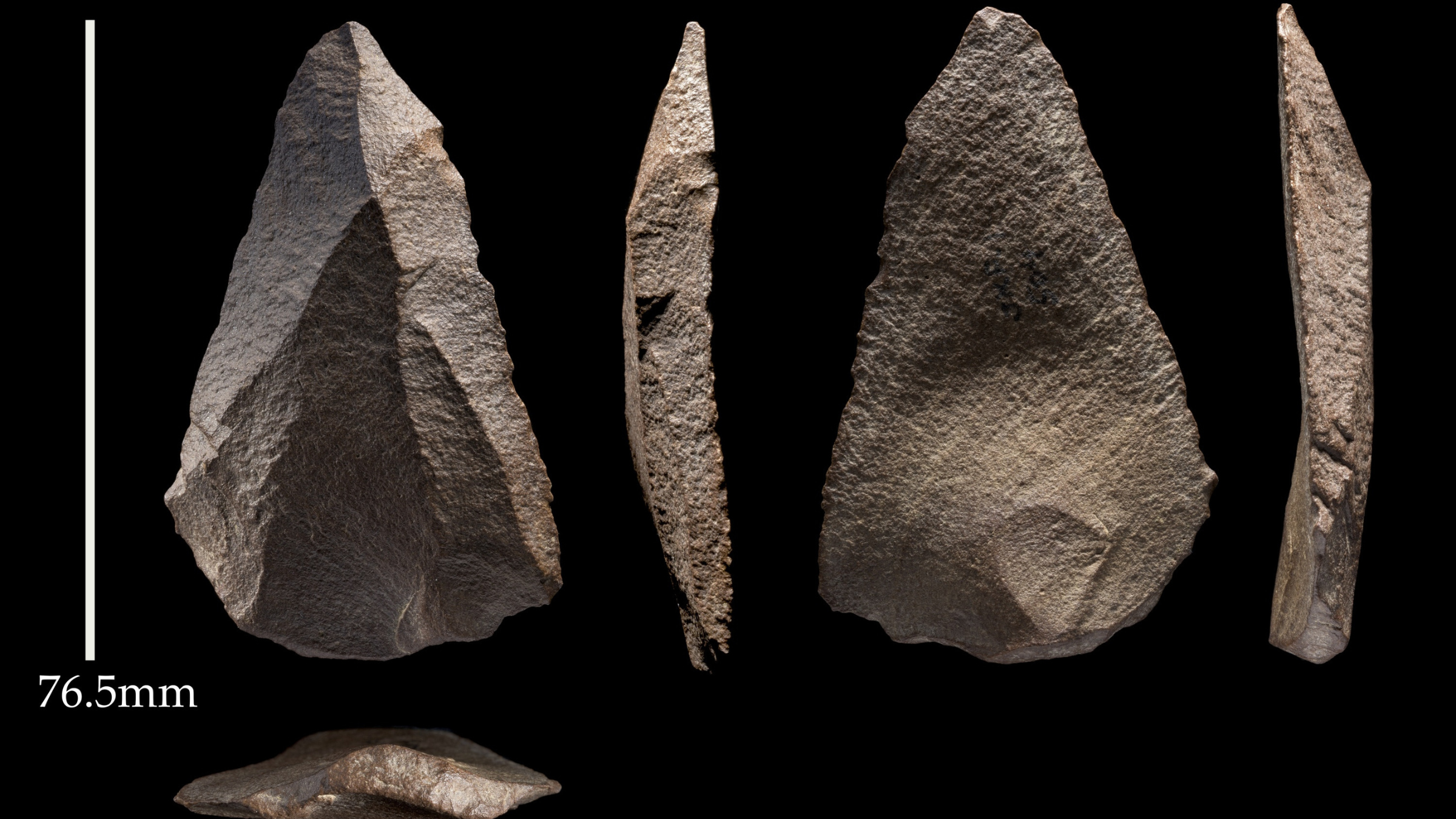
Prior studies had established the tool’s timeline tentatively, estimating their creation between 90,000 and 50,000 years ago. However, the current research specifies that these artifacts emerged as the Nefud Desert transitioned to a more humid condition.
Interestingly, Neanderthals were the only hominin known to inhabit southwest Asia during this period. Alongside the dating evidence, the unique tools serve as the basis for associating this site with Neanderthals, despite the ongoing absence of physical remains to confirm their existence in Arabia.
Knut Bretzke, an archaeologist at the University of Tübingen who was not part of the study, acknowledged the evidence supporting a Neanderthal presence in northern Arabia to be persuasive. Nevertheless, he cautioned that the research's conclusions rest on circumstantial data.
He emphasized the need for critical scrutiny of the assumptions underlying the comparison to other sites where artifacts may have accumulated over extensive timeframes, unlike the specific context of JKF-1, which suggests concentrated usage.
While there’s a convincing narrative forming around Neanderthals’ southern migration, solid physical evidence would bolster the claims. As Groucutt pointed out, Arabia's harsh climate results in poor preservation of bones and DNA, making stone tools the current best indicators of the region's prehistoric human activity.
As insights into our ancestral history continue to evolve, the potential for new discoveries in Arabia holds both promise and intrigue for understanding Neanderthals and their adaptive capacities.
Discussion
Sign in to join the discussion.