Archaeologists have unearthed significant artifacts and human remains at an Etruscan well in Bologna, hinting at complex ritual practices.
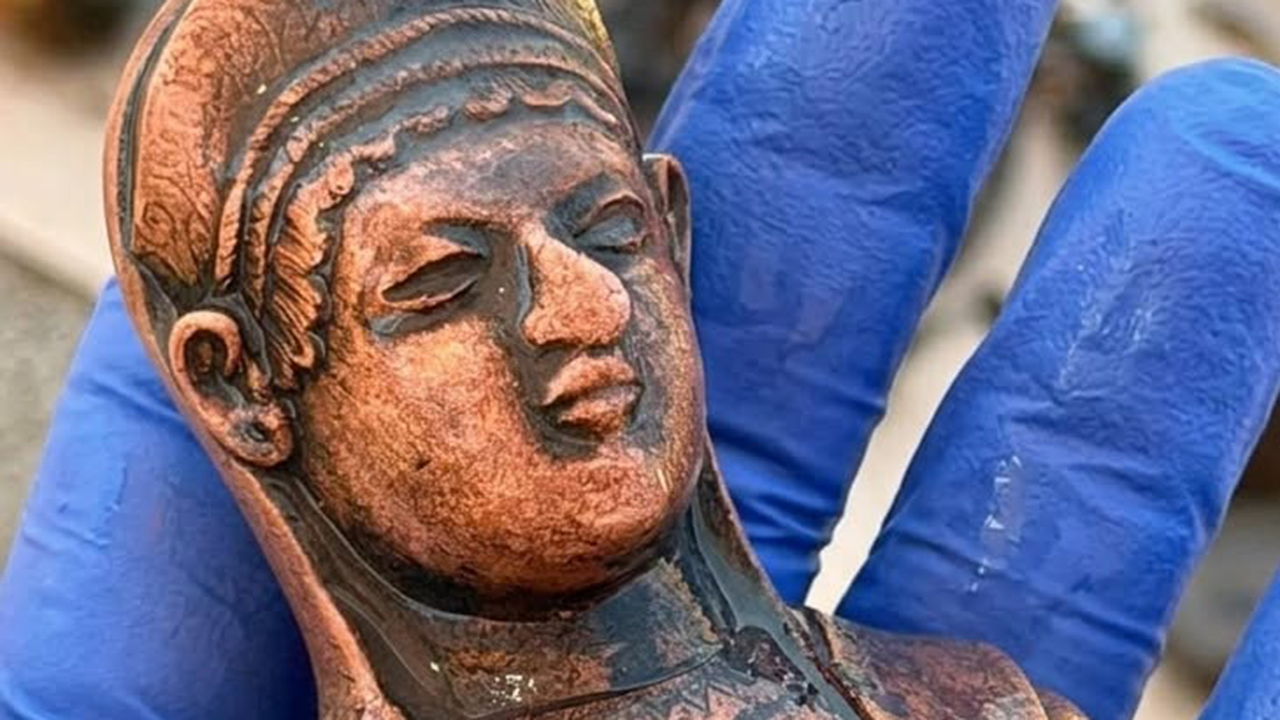
Recent archaeological excavations in Bologna, Italy, have led to the discovery of a remarkable ritual well related to the ancient Etruscan goddess, Uni. This site, located near the sacred sanctuary of Uni, has revealed stunning artifacts including bronze statuettes and a unique bronze plate, possibly linked to rituals celebrating the founding of the ancient town of Kainua.
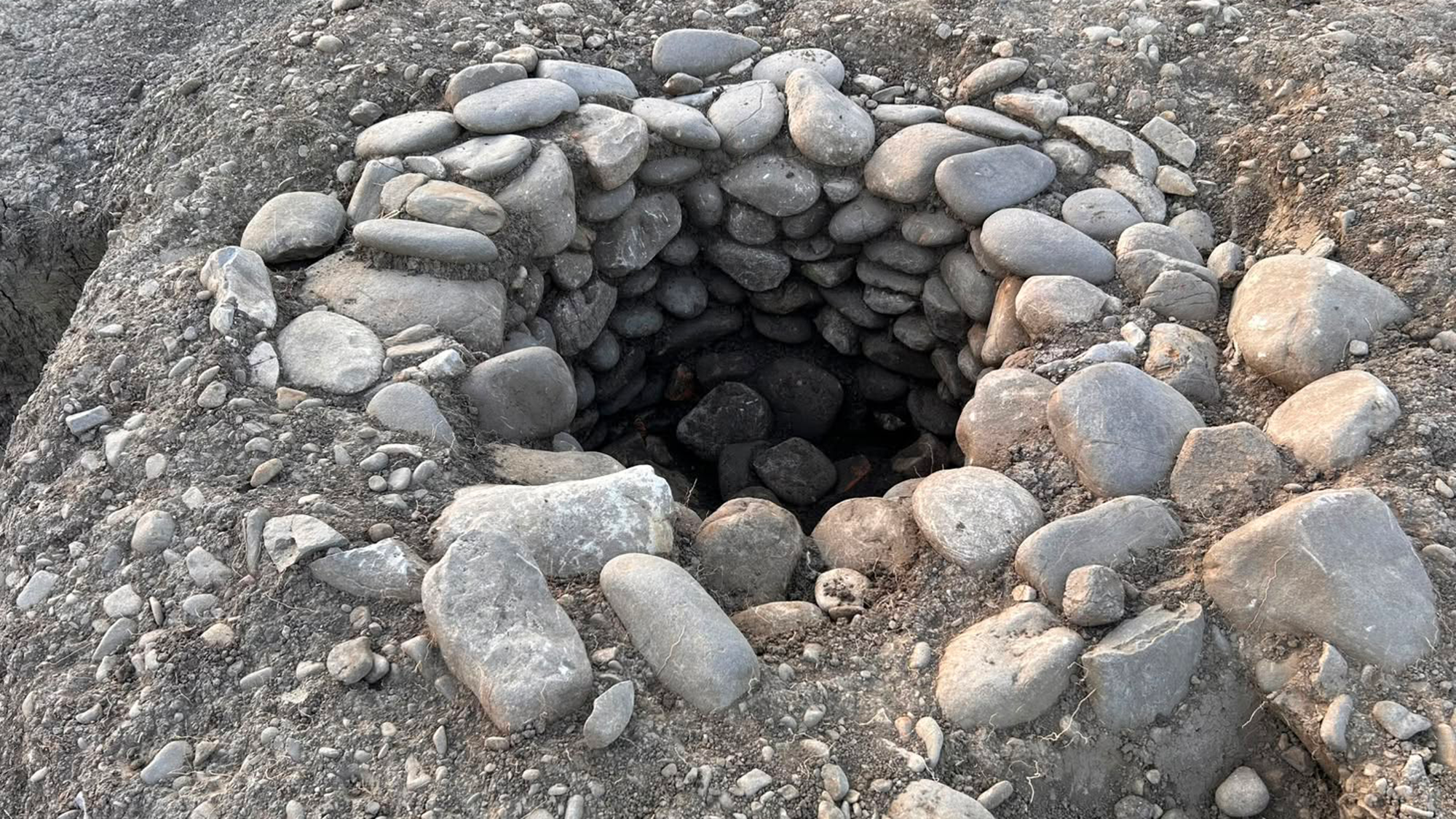
Archaeologist Elisabetta Govi from the University of Bologna, who led the excavation, emphasized that the well may have played a dual role. While it served as a water source, it likely also facilitated religious ceremonies. The discovery of human remains within the well suggests these burials were part of a "ritual closing," underscoring its significance in Etruscan cultural practices.
The Context of the Discovery
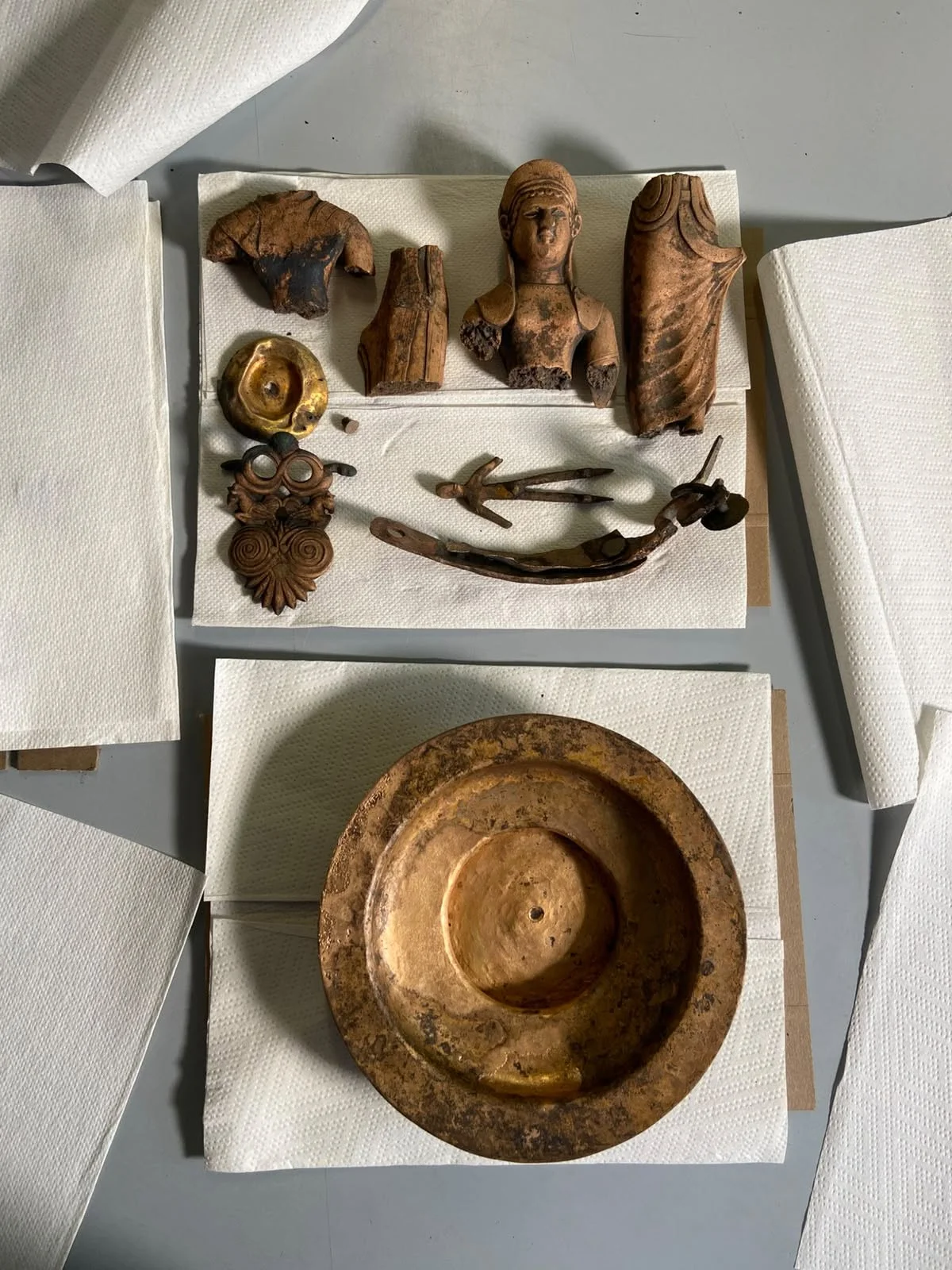
This well dates back to the late sixth century or early fifth century B.C., coinciding with the Etruscan establishment of Kainua. Artifacts recovered from the site, such as the bronze statuettes, were found exceptionally well-preserved due to the low-oxygen underwater environment. The preservation contributes to the insight into Etruscan religious life that these artifacts provide. It illustrates how water wasn’t just a resource; it played a vital role in the sacred dimensions of Etruscan society.
The timing of this discovery is critical. During this period, the Etruscans were establishing themselves as a dominant cultural force in Italy. Their rituals often integrated elements of nature and daily life, grounding them deeply within their spiritual beliefs. The well serves as a tangible manifestation of this connection, illuminating how they intertwined spiritual rituals with physical resources.
Significance of the Artifacts
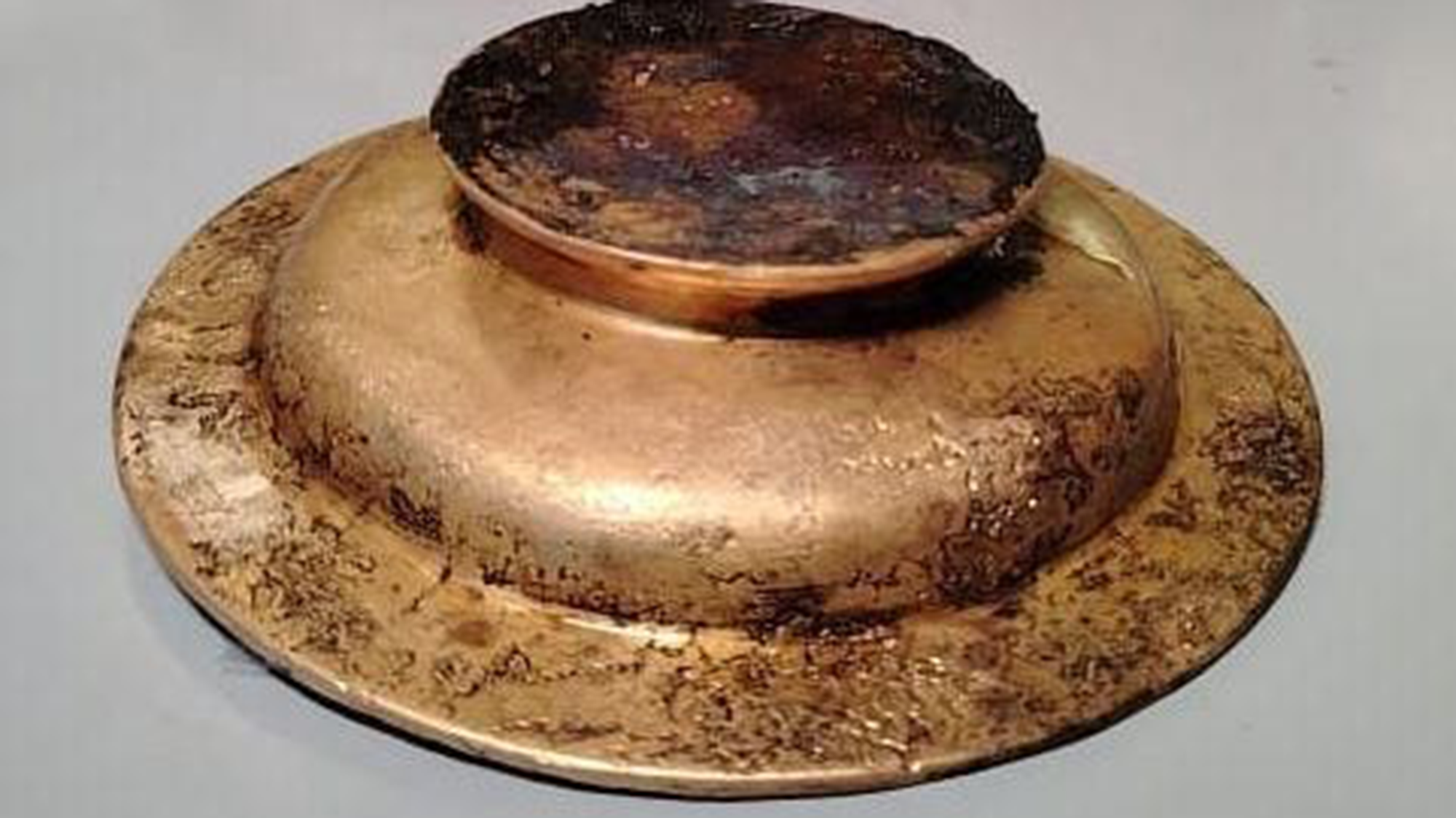
The statuettes discovered portray elegantly dressed female figures, potentially high-class individuals or deities, suggesting that ritual offerings were culturally significant in Etruscan society. The bronze plate, a unique find, is the only example of its design known to be created by Etruscans, highlighting the significance of bronze as both a precious material and a symbolic representation of life and rebirth, closely associated with the goddess Uni.
Joyful celebrations, perhaps, or solemn rituals — the interpretation depends on how we view these artifacts. Govi notes this isn't the first instance of finding bronze votive objects in Etruscan wells. Yet, the rich context provided by this site connects deeply with the female-oriented religious practices observed in Etruscan culture. The well was likely considered sacred, serving more than just a utilitarian purpose. Instead, it hints at a faith woven intricately with their daily lives, reminding us that for the Etruscans, every material object held the potential for spiritual connection.
Interpreting the Human Remains
The excavation team unearthed the skeletons of both a man and a woman, leading to speculations about their roles in the well's closing rituals. Preliminary analysis indicates they were not human sacrifices. In fact, such conclusions challenge the long-held notions that all ancient rituals involving human remains were sacrificial in nature. This aspect of the discovery urges us to reconsider our assumptions about ancient Etruscan religious practices.
Further investigations, including DNA and carbon-14 dating expected to commence in September, will provide more clarity on these individuals and the timeline of the well. If you're working in this space, the implications could be vast. These findings connect water, fertility, and rituals surrounding Uni, reinforcing the narrative that Etruscan life was an intricate tapestry of myths and codes governed by natural forces. This discovery not only elevates our understanding of their richness but draws fascinating lines to contemporary interpretations of spirituality and ritualistic practices.
As research continues, we anticipate more revelations from this vital archaeological site. Unquestionably, every find like this teases apart the threads of Etruscan beliefs and practices that shaped their lives centuries ago. The well is more than a water source; it’s a lens through which we can view the profound connection the Etruscans had with their environment and their deities, helping us decode an ancient civilization that has left an indelible mark on history.
Implications for Future Research
This discovery offers several layers of implications for archaeological research on the Etruscans. Scholars will likely explore how such findings can alter the narrative of ancient spirituality, especially concerning gender roles and the importance assigned to feminine deities. There's an increasing recognition that many ancient societies placed significant emphasis on goddesses associated with fertility and life, and the artifacts surrounding this well suggest that the Etruscans may have been no exception.
Moreover, the nuances revealed in both the well's artifacts and human remains could prompt interdisciplinary studies, merging archaeology with anthropology and religious studies. Understanding such connections could lead to richer interpretations of ritual practices not just among the Etruscans, but as they intersect with other ancient cultures. And yet, the package of mysteries surrounding this excavation invites a journey that has only just begun.
Discussion
Sign in to join the discussion.