A new study reveals a polymer gel that can convert astrocytes into neurons, offering hope for restoring brain function lost to Alzheimer's disease.
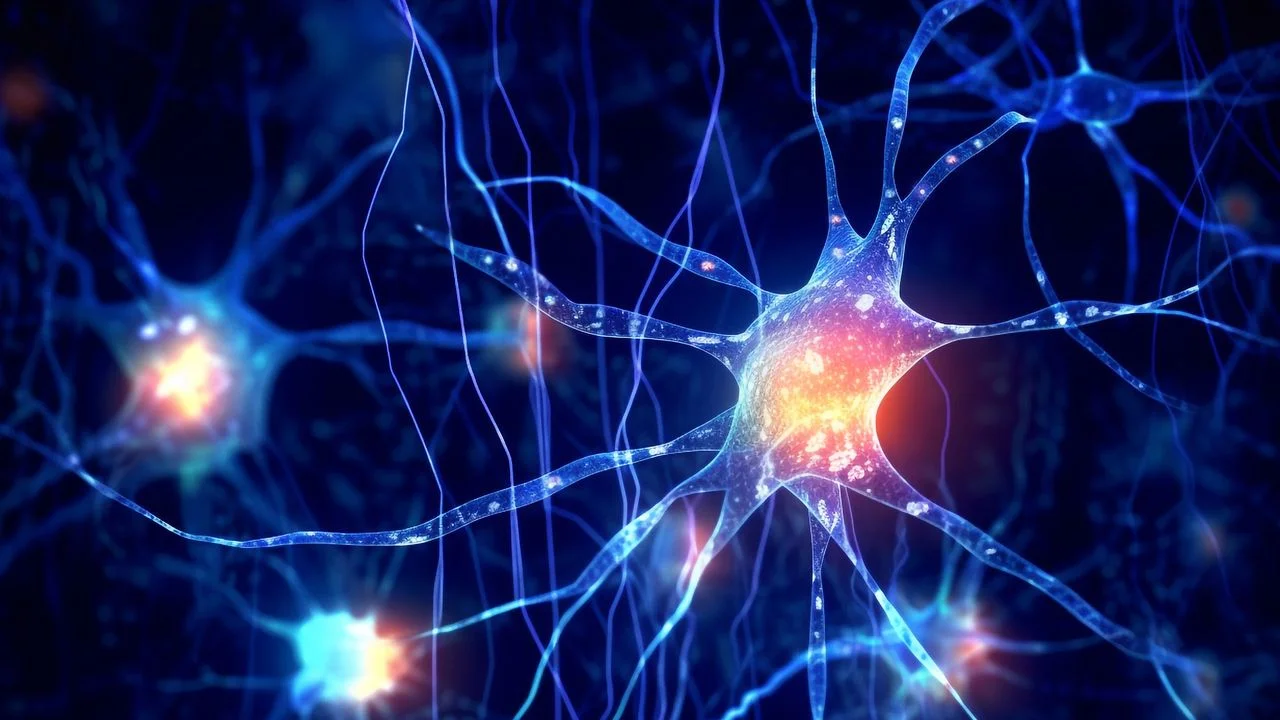
Recent research offers promising insights into combating neuron loss associated with Alzheimer’s disease through an innovative gel-based strategy. Published in Cell Biomaterials on August 26, the study highlights a method to convert brain-supporting astrocytes into functional neurons by targeting a specific protein.
The research centers around PTBP1, a protein critical for the function of astrocytes—star-shaped cells that play supportive roles in the brain. The adult brain faces significant limitations in generating new neurons, especially when confronted with neurodegenerative diseases. If effectively developed, this approach could pave the way for therapies aimed at regenerating lost neural connections, changing how we think about treating conditions like Alzheimer’s.
The Role of Astrocytes and PTBP1
Astrocytes are instrumental in protecting neurons and maintaining their functionality. Previous studies suggested that eliminating the PTBP1 protein in astrocytes could trigger their transformation into neurons. Early research employed gene editing to deactivate PTBP1, indicating a potential pathway to neuron formation from astrocytes, a process that, on the surface, could appear straightforward. However, the biological mechanisms that govern these transformations are complex and still poorly understood.
Conflicting findings arose in subsequent experiments, leading to uncertainty over whether new neurons were genuinely derived from astrocytes. This inconsistency has kept the scientific community on alert, signaling that not all paths to neural regeneration are equal. Peisheng Xu, a pharmaceutical scientist at the University of South Carolina, took it upon himself to further explore these discrepancies using a novel technique called Nano-Eraser. By addressing these conflicting results, the research could significantly shift the understanding of neurogenesis and its potential therapeutic applications.
Innovative Gel Delivery Method
The Nano-Eraser technique allowed researchers to remove PTBP1 from astrocytes without altering their genetic structure, by encapsulating an antibody that targets the protein within a polymer gel. This gel is engineered to cross the blood-brain barrier, a crucial filter for substances entering the brain. The challenge posed by the blood-brain barrier cannot be understated; many promising treatments have failed simply because they couldn't penetrate this protective boundary.
Upon reaching the astrocytes, the antibody binds to PTBP1, instructing the cells to degrade the protein. This innovative mechanism is what sets the gel apart from traditional methods that often fail to target cells effectively. Dr. Christiane Wrann, a neuroscientist from Harvard Medical School who did not participate in the study, expressed interest in this gel’s ability to penetrate the blood-brain barrier — a significant hurdle in developing effective brain therapies. Her endorsement adds a layer of credibility, suggesting that the gel could catalyze important shifts in neurological treatment paradigms.
Experimental Findings and Implications
Initial trials in human astrocytes cultured in vitro demonstrated that exposure to the gel led to the loss of the typical star shape and initiation of axonal growth, indicating the transition toward neuron-like behavior. The research team's achievements include recording electrical activity in these cells, suggesting a capacity to engage in neuronal signaling — a crucial element in establishing functional neuron networks. This is more significant than it looks: if astrocytes can be turned into functional neurons, it could address the chronic shortage of neurons in Alzheimer’s patients directly.
Additionally, the gel produced similar outcomes in brain organoids, miniature brain models created from human stem cells. These findings underscore the potential applicability of the research beyond merely cellular studies. Further tests in mouse models of Alzheimer’s disease revealed notable effects. After administering two doses of the gel, behavioral assessments indicated memory enhancements and improved living conditions, evidenced by better nesting behaviors — an animal’s instinctual drive, often indicative of its overall wellbeing. Subsequent brain analyses showed an increased neuron density paired with a reduction in inflammatory markers, two factors that are vital in combating neurodegenerative disease progression.
Challenges and Future Directions
Although results from lab studies suggest a conversion of astrocytes into neurons, Xu cautions that similar confirmations in live mouse models remain elusive. “We noted that neuron density increased,” he noted, “but we cannot disregard the possibility that neurons might emerge from other progenitor cells.” This uncertainty raises questions about the specificity of the gel’s action and whether it could be corroborated in larger-scale animal models.
Wrann echoes this sentiment, emphasizing the necessity for additional studies to establish whether astrocytes are indeed transitioning into neurons. This point might be the crux of future validation efforts; after all, scientific rigor requires thorough investigation before any clinical rollout. Both researchers agree that before advancing to human trials, validating safety and efficacy in nonhuman primates is essential. Without this critical step, the leap to human applications remains tenuous at best.
Furthermore, maintaining PTBP1 at lower levels may carry unknown consequences for astrocytic functions. Investigating these effects thoroughly will be critical before considering human applications. Conducting comprehensive studies on the long-term effects of PTBP1 depletion could protect against unintended neurological dysfunction that could arise.
Implications for Neurodegenerative Treatments
Looking ahead, Xu's team is dedicated to further investigations into astrocyte development in live models, aiming to refine their approach to therapeutic intervention. The implications of their findings could provide a vital route for restoring brain function in neurodegenerative diseases. The path ahead won’t be easy, but scientists are cautiously optimistic about the potential. If you're working in this space, these developments could eventually influence how neural therapies are conceived, bringing a glimmer of hope on the horizon. It's a step worth exploring — step by step.
Discussion
Sign in to join the discussion.