The Nancy Grace Roman Space Telescope is launching soon, aiming to uncover cosmic mysteries and capture stunning celestial imagery.
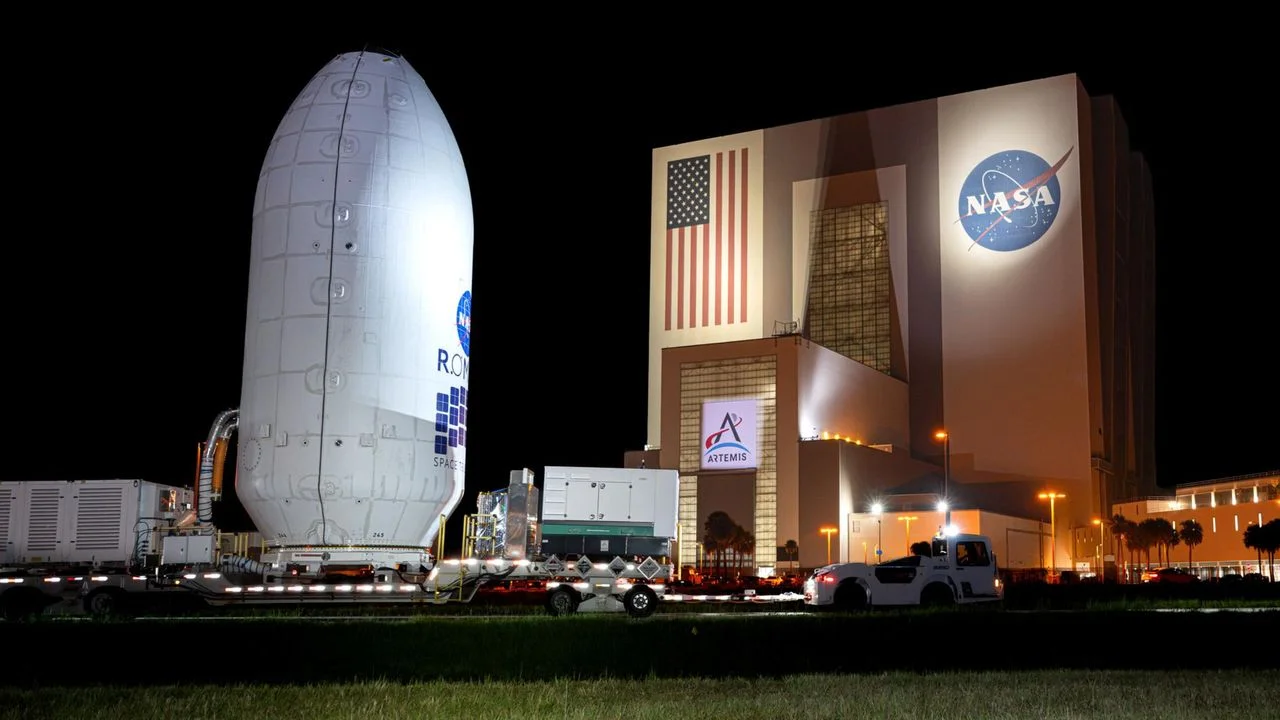
Set to launch this weekend, the Nancy Grace Roman Space Telescope promises to transform our understanding of the cosmos through its ambitious mission. This powerful observatory is designed to hunt for distant exoplanets, chart the structures of the Milky Way, and delve into the enigmatic properties of dark matter.
Date marked: Sunday, August 30, at 7:26 a.m. EDT, a SpaceX Falcon Heavy rocket will launch from NASA's Kennedy Space Center, with a backup window on Monday (August 31) at 7:22 a.m. EDT. Weather could impact the schedule; the current forecast indicates a 50% chance of thunderstorms.
While anticipation is high for Roman's first images, observers might need to wait months after the launch. The telescope will first undergo a commissioning period after reaching its destination in space, specifically the Sun-Earth L2 Lagrange point, about one million miles from Earth.
Overview of the Roman Space Telescope
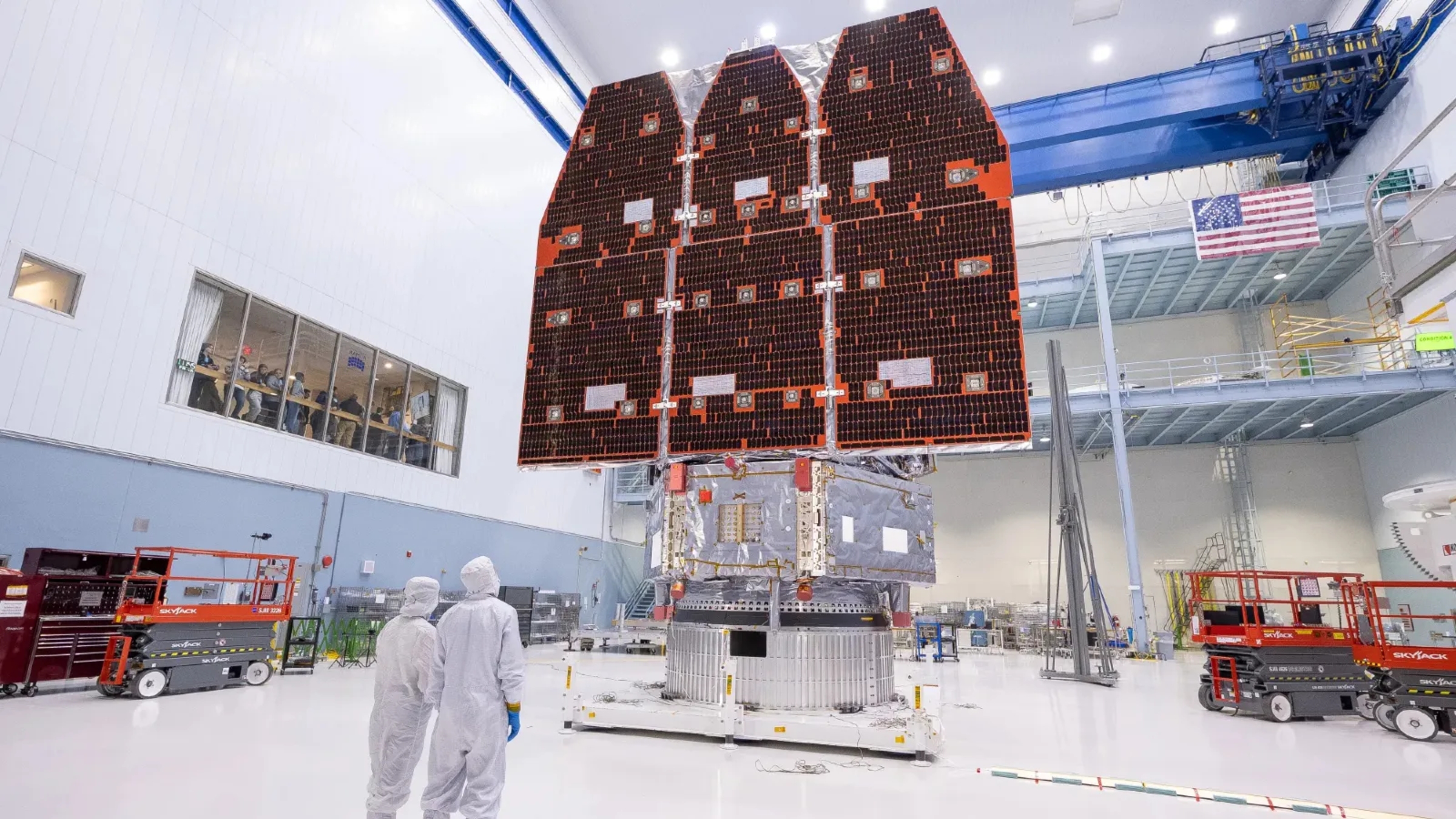
The Roman Space Telescope is NASA's flagship observatory, succeeding the James Webb Space Telescope and the Hubble Space Telescope. Rather than replacing its predecessors, it enhances our cosmic exploration arsenal. Named in honor of Nancy Grace Roman, NASA's first chief astronomer, this telescope stands 42 feet (12.7 meters) tall and weighs 18,000 pounds (8,000 kilograms).
Completed in December 2025 and within its $4.3 billion budget, Roman’s construction spanned nearly a decade, during which it was meticulously engineered and tested in NASA's clean rooms. Originally scheduled for a 2027 launch, this mission is ahead of schedule.
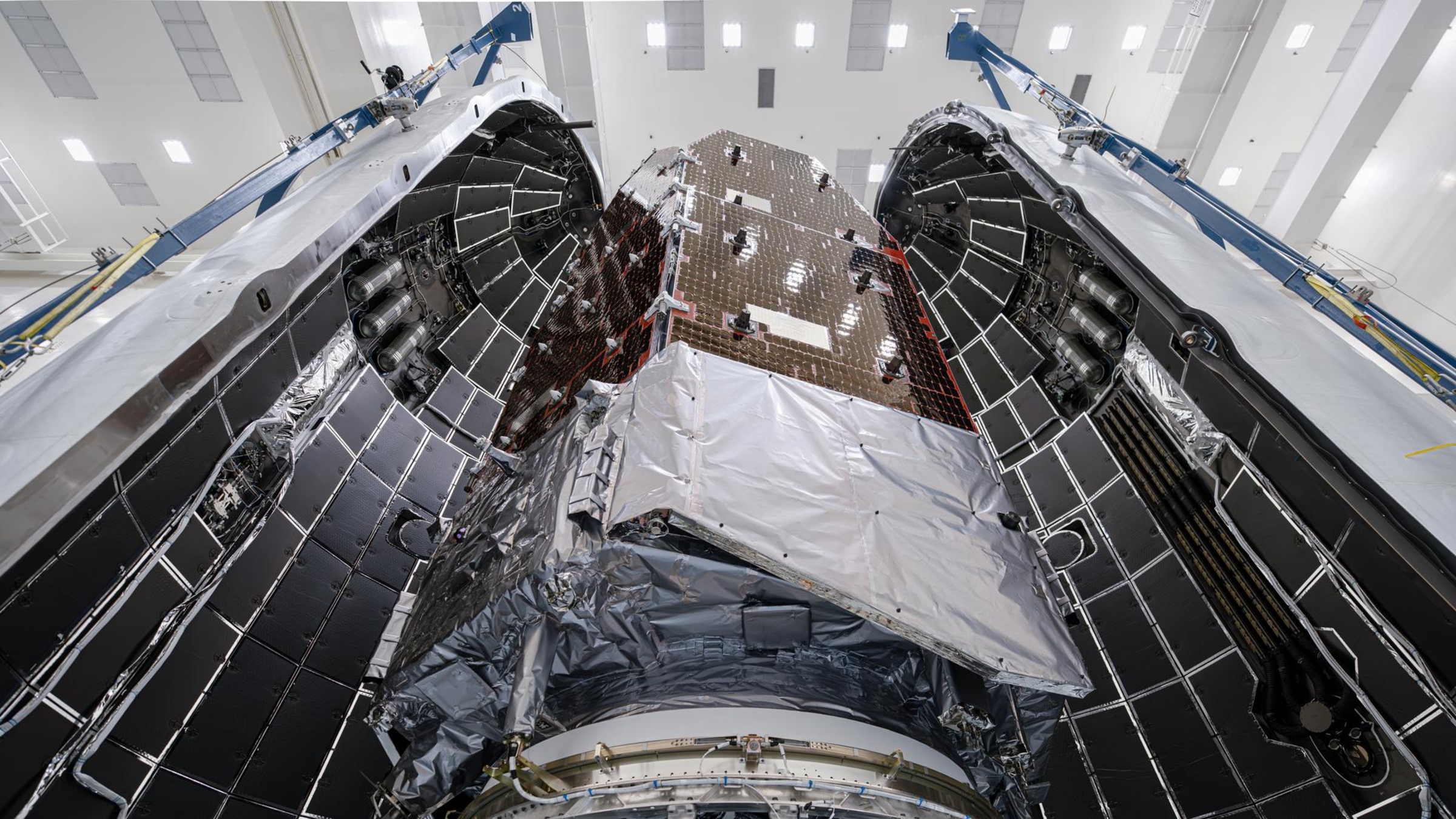
Once in orbit, Roman will operate at a Lagrange point—a gravitational balance point between the Earth and the Sun. Its initial five-year mission could extend much further, mirroring the longevity seen with past missions like Hubble. In terms of scope, Roman is set to deploy long surveys to navigate and analyze the Milky Way and uncover distant galaxies.
Key Features of the Roman Space Telescope
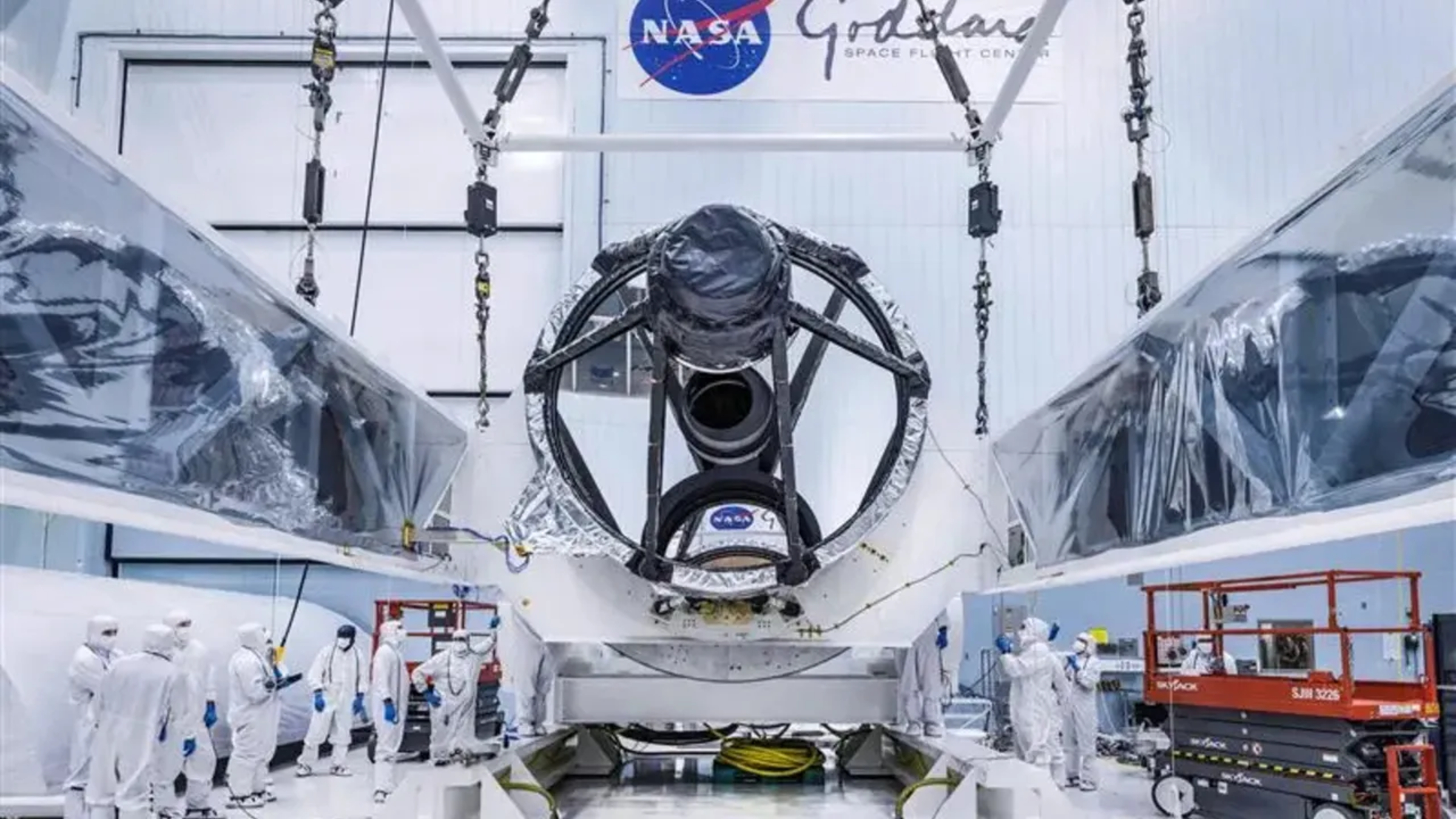
What distinguishes Roman are its advanced technological features. A centerpiece of the telescope is its Wide Field Instrument, which boasts a 288-megapixel camera attached to a 7.9-foot (2.4 meters) mirror. This setup allows Roman to capture images with a field of view 100,000 times greater than Hubble's, maintaining the ability to observe in infrared light akin to the capabilities of JWST.
A standout feature is Roman's coronagraph, designed to block light from bright stars to reveal fainter objects, such as distant exoplanets. This capability marks a shift in exoplanet discovery methods, allowing the telescope to photograph exoplanets directly rather than relying solely on transits.
Researchers predict that Roman could unveil up to 100,000 exoplanets, revolutionizing studies of planetary systems beyond our own. This comes at a time when astronomers are already re-evaluating their understanding of the number of exoplanets identified—over 6,000 to date since the first was discovered in 1992.
Timeline for Initial Imagery
The anticipation surrounding Roman's first images parallels the excitement that followed the debut photos from the Vera C. Rubin Observatory in June 2025. After launch, Roman will take weeks to reach its operational point, and a commissioning phase lasting about 90 days will follow during which the telescope's systems are activated and calibrated.
It’s unlikely we’ll receive Roman's first images before 2027, even though NASA has hinted at a chance for some data to be released late in the year. The successful trajectory of missions like JWST, which took around seven months post-launch to deliver its first images, will guide expectations.
NASA has committed to transparency, assuring that “data from all of Roman's surveys will be publicly accessible as soon as processed, with no periods of exclusive access.” This promises that once the images are ready, they’ll be available to the entire astronomical community and the public alike.
As excitement builds for the launch and the possibilities it holds, many are eager to see how the Roman Space Telescope will shape our cosmic knowledge in the years to come.
Discussion
Sign in to join the discussion.