The Environmental Impact of Rising Antarctic Tourism: Voices from Former Guides
Published
Aug 18, 2026
Views
511
Antarctic tourism is surging, raising significant ethical concerns among tour guides who prioritize environmental protection over their careers.
The Growing Concern of Antarctic Tourism
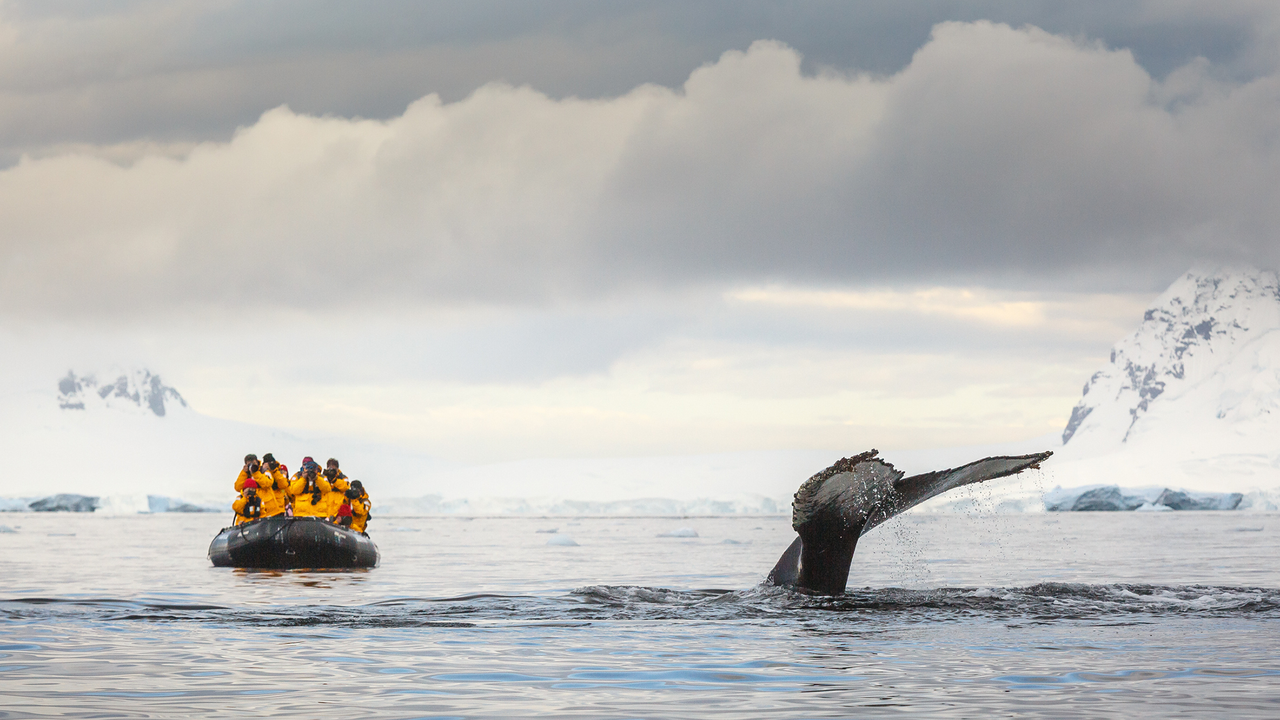
Antarctica may seem like a stark, distant frontier, yet over 100,000 tourists flock there annually. Projections suggest that this number could surge to 450,000 in just a few years. While this is modest in comparison to iconic destinations like the Great Barrier Reef or the Grand Canyon, the implications of increased tourism in such a delicate ecosystem are alarming. Each visitor contributes significantly to carbon emissions, and the continent's fragile environment can hardly withstand further strain.
Recent research published in the *Annals of Tourism Research* provides a sobering glimpse into the challenges faced by Antarctic tour guides. The study, driven by interviews with 25 former tour guides, reveals the emotional turmoil and ethical dilemmas that led many to abandon what many considered their dream jobs. As researchers Zdenka Sokolickova and Liz Cooper from the University of Groningen explain, these guides turned their backs on the industry not out of a lack of passion but from a deep concern for the planet.
The Emotional Toll of Quitting
What compelled these professionals to leave? In conversations with Sokolickova and Cooper, it becomes clear that critical turning points—both personal and external—drove their decisions. One poignant example involved cruise ships breaking ice to allow guests to reach remote landing spots, putting vulnerable wildlife at risk. The emotional cost was high, as reflected in the guides’ stories. One account described a guide watching helplessly as a cruise ship maneuvered dangerously close to penguin colonies, an image that haunts many who felt they could no longer participate in harming the very environment they loved to share with others.
Compounding this struggle is the guides’ internal conflict. Many of them expressed feelings of isolation in their experiences, often believing they were alone in feeling ethically compromised by their roles. However, their participation in this study underscored a shared desire for dialogue among those who have left the industry. They reported feeling relieved to share their stories but also expressed regret over the escalating tourism practices that contradicted their values.
The Bigger Picture
This research highlights a critical gap in tourism studies: the voices of those who have disengaged from an industry that often neglects its environmental responsibilities. As Cooper points out, while Antarctic tourism is relatively small on a global scale, it's one of the most carbon-intensive forms of travel. With emissions spiraling from long-haul flights and cruising, it raises an essential question: is the allure of Antarctica worth the environmental toll?
Interestingly, some guides have turned their departure into a catalyst for advocating environmental change. Many have since shifted to conservation-focused roles, working tirelessly to protect the ecosystems they once guided tourists through. While some former guides struggle with feelings of regret—wondering if their absence has any meaningful impact—the researchers argue that each decision to step away represents a significant contribution to reducing the carbon footprint of tourism.
What This Means for You
In light of these findings, it’s worth considering your next travel destination with a more discerning eye. If you're considering a trip to Antarctica simply to check it off your bucket list, take a moment to question your motivations. Is the experience purely for personal gratification, or does it stem from a genuine desire to connect with nature? Perhaps there are local opportunities to appreciate the environment without the high carbon cost associated with such remote travel.
Ultimately, what emerges from this research is not just a commentary on Antarctic tourism but a broader challenge to all travelers: to think critically about the places we choose to visit and the impact those choices have on our planet.
Discussion
Sign in to join the discussion.