Archaeologists believe they've identified the church where the First Council of Nicaea was held, but some experts remain skeptical about its significance.
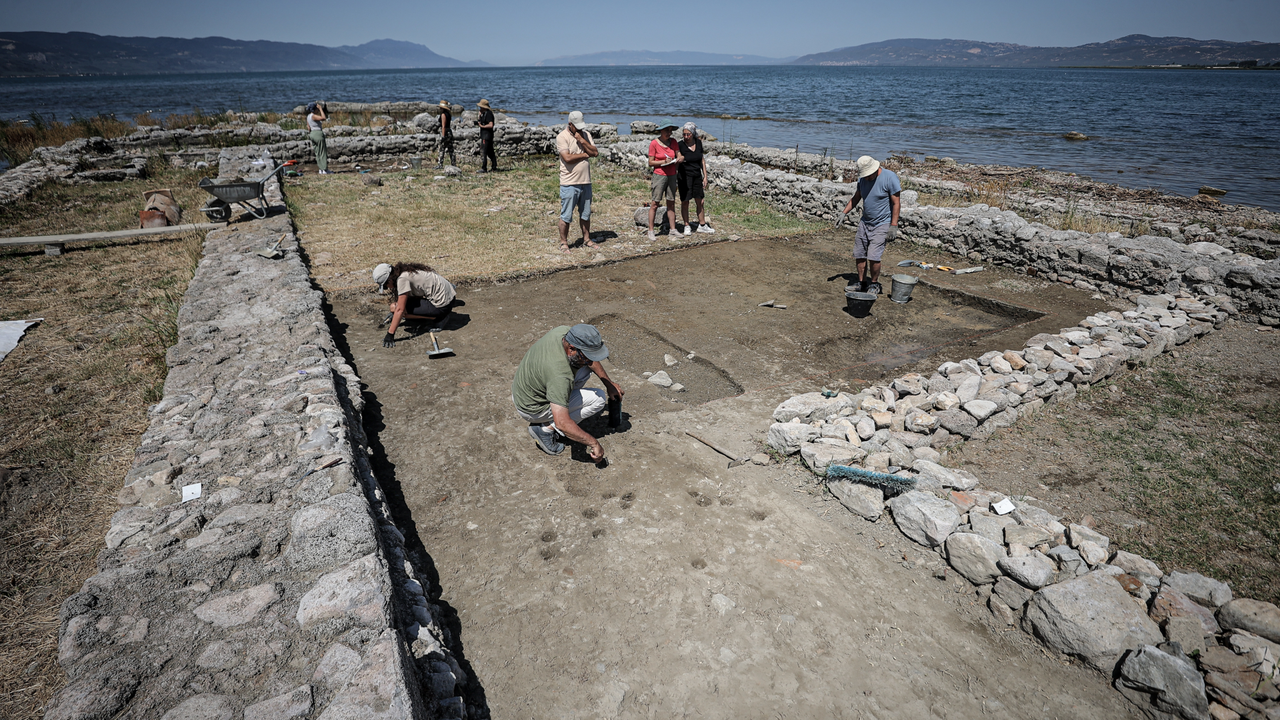
Archaeologists have unveiled a site that they claim could be where the First Council of Nicaea convened in A.D. 325, a pivotal congregation of Christian bishops aimed at settling theological disputes. Mustafa Şahin, the project leader and a professor at Bursa Uludağ University, is leading the excavations beneath Lake İznik, formerly the ancient city of Nicaea.
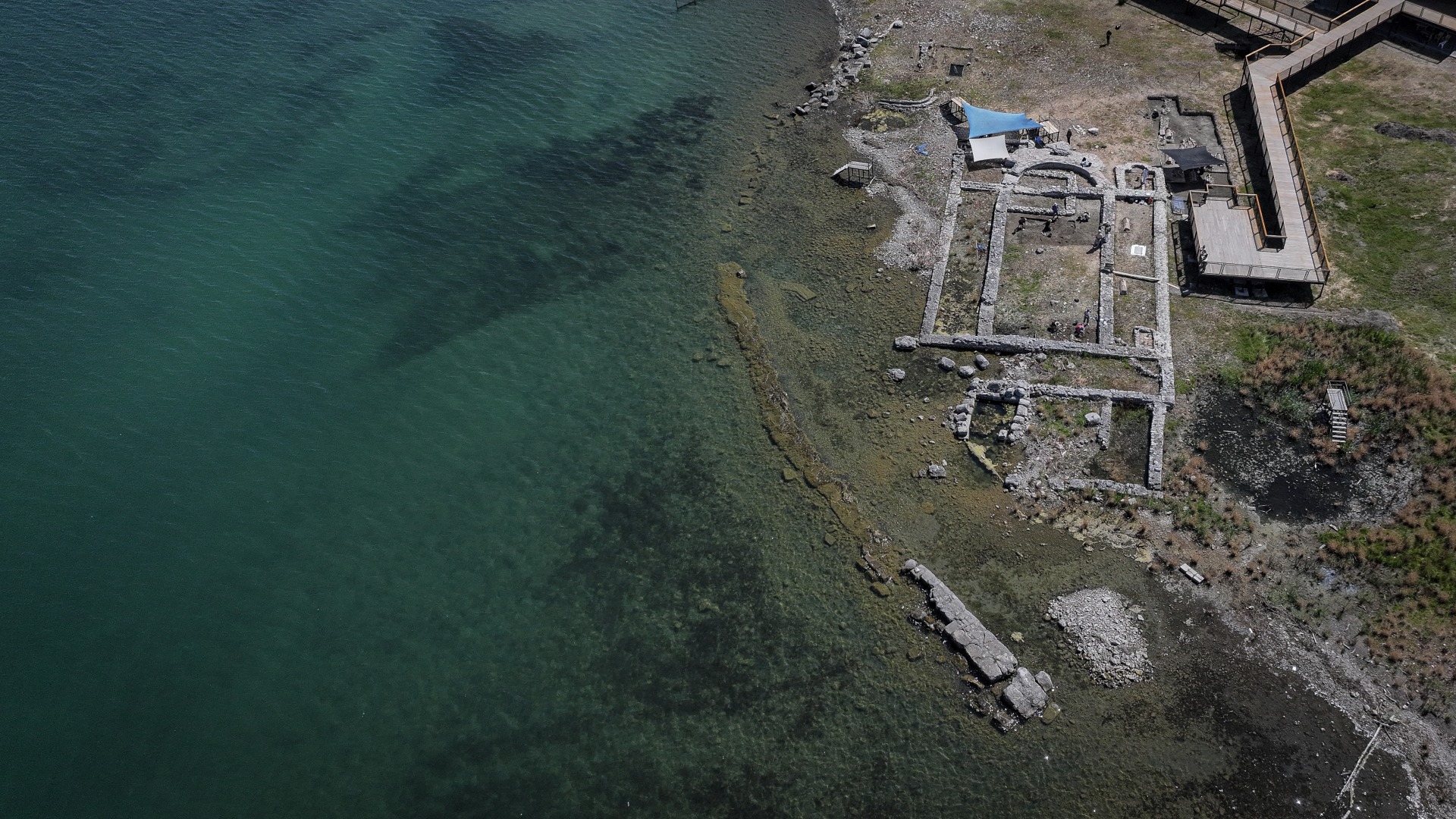
The historic council, convened under Emperor Constantine I, resulted in the creation of the Nicene Creed, a foundational statement of Christian doctrine. This significant meeting sought to address various theological divisions within the early church. Excavations have revealed a smaller church structure beneath a previously discovered larger church, uncovering what could be remnants of a site closely associated with early Christian gatherings.
The smaller church, displaying a pavement floor approximately one foot (30 centimeters) beneath the basilica, suggests a chronological precedence, indicating that it may predate the larger structure. In Şahin's view, the smaller site aligns more closely with Eusebius of Caesarea’s description of the meeting taking place in a "house of prayer" versus the larger basilica above it. The smaller church is believed to be the "Church of Neophytos," named after a local Christian martyr from the early 4th century. The larger structure, built atop it, is theorized to be the "Church of Holy Fathers," dedicated to those who participated in the council.
Seismic activity in A.D. 368 likely led to the destruction of the smaller church, followed by the construction of the larger one around A.D. 380. So far, no decorative elements or walls from the smaller church have been uncovered, raising questions about its design and materials, with only the stone pavement remaining visible.
Debate on the Actual Meeting Site
However, the assertion that this structure served as the meeting place for the bishops is not universally accepted. Experts not involved with the excavation argue that it is unlikely the bishops convened here, especially considering that the most significant discussions would have likely taken place at Constantine's nearby imperial palace. This palace, which has yet to be excavated, may also lie beneath the waters of Lake İznik.
Young Richard Kim, a classics professor at the University of Illinois Chicago, highlighted uncertainties regarding the dating of the smaller church, suggesting Eusebius's account mentioning the opening session occurring in the "imperial palace" complicates claims about the church's role in the council.
“Given that the council lasted three months, it’s challenging to assert that the church functioned as a key venue,” he noted in an email.
Charles Odahl, a professor emeritus of history at Boise State University, echoes these reservations, emphasizing that while the church's proximity is noteworthy, it likely wasn't the focal point for the council's proceedings. Instead, it served a different role in the Christian community of Nicaea at that time.
Conversely, David Gwynn, a historian at Royal Holloway, University of London, suggests that while the earlier church's ties to the council are promising, one shouldn't overstate its relevance. "This discovery enriches our understanding of the context where the council occurred," he stated, even as he cautioned against assuming it played a central role.
The council drew a diverse assembly of hundreds of bishops alongside approximately 2,000 clergy and staff over its extended duration. As excavations and analyses continue, this site offers a unique glimpse into the significance of Nicaea in the development of early Christianity, capturing renewed interest in this monumental historical event.
Are you familiar with the historical context of Jesus Christ? Test your knowledge with our Jesus Christ quiz!
Discussion
Sign in to join the discussion.