A WWII hospital ship off Albania's coast has become a focal point for invasive species and rare monk seals, impacting the local ecosystem significantly.
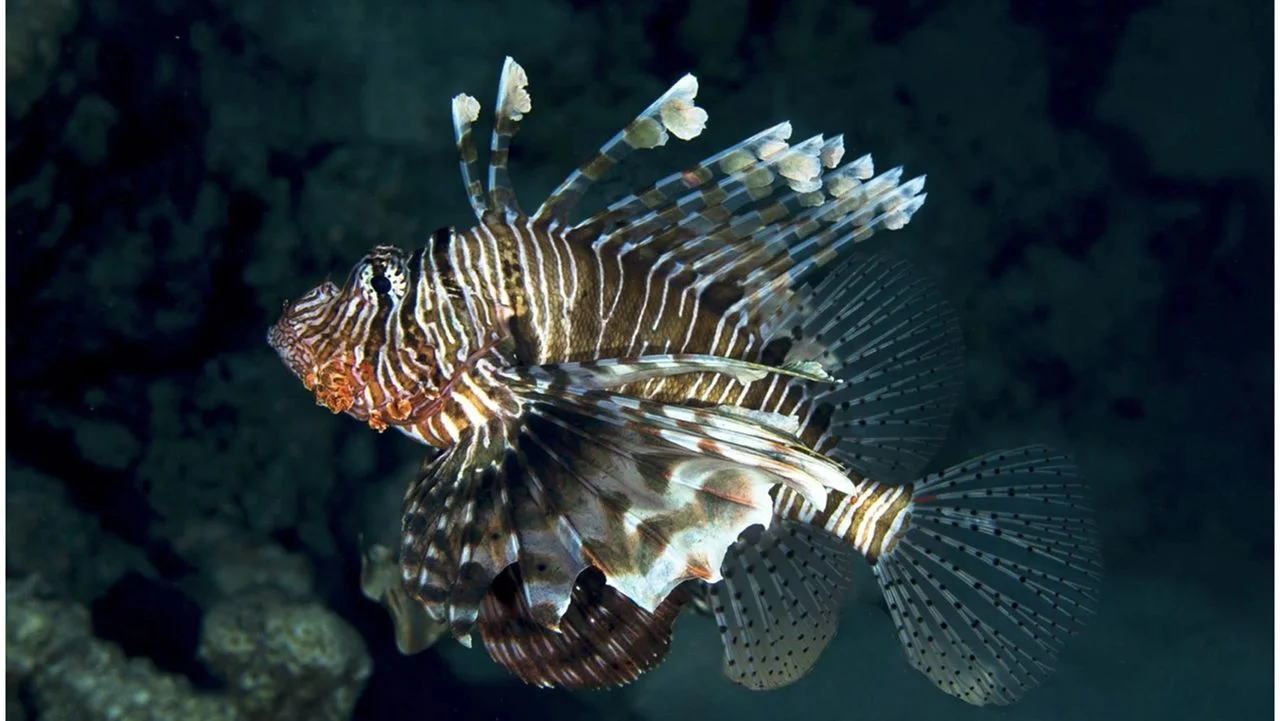
A World War II hospital ship, the Po, resting off the coast of Albania, has developed into a unique underwater ecosystem sparking interest from marine biologists. Sinking during the Greco-Italian War in 1941 after being torpedoed, the ship has since transformed into an artificial reef, attracting diverse marine life, including invasive devil firefish and rare Mediterranean monk seals.
Researchers have observed that more than 80% of the ship's surface is now colonized by marine organisms. This phenomenon, often termed the artificial reef effect, highlights how submerged structures can act as magnets for marine life, offering shelter and a breeding ground for various species. A recent study published in Frontiers in Ocean Sustainability sought to quantify the ecological impact of the Po wreck amidst growing concerns about the invasion of non-native marine species.
Devil Firefish Migration
During investigations from June 2022 to September 2024, researchers noted the presence of devil firefish (Pterois miles), normally native to warmer regions like the West Indian Ocean and the Red Sea. Their sightings approximately 800 miles away from their usual habitat in Albanian waters raised alarms. With populations reaching seven individuals simultaneously around the wreck, it appears that the Po may provide favorable conditions that attract these invasive species to cooler, temperate zones.
Simone Modugno, a biologist at the University of Ferrara and co-author of the study, reflected on the findings, indicating that while the invasive nature of these fish is predictable due to climate change, the rapidity of their incursion is alarming. “Abnormal temperatures and rising salinity levels are driving these shifts," Modugno expressed, underscoring the looming problems these changes could create in local ecosystems. The implications of such a migration are profound; invasive species can outcompete native ones for resources, thereby disrupting local food webs and ecological balances.
Growing Challenges of Invasive Species
The uptick in devil firefish sightings aligns with broader trends of invasive species migrating from the Red Sea through the Suez Canal into the Mediterranean due to global warming. The introduction of these species is not merely a localized issue but part of a larger narrative concerning marine biodiversity. As Modugno predicts, significant ecological repercussions could follow in the next decade if current trends continue. "For at least three years, I've observed a persistent rise in not only the devil firefish but also several invasive plant species and mollusks along the Albanian coast,” he stated, sounding a warning for the health of local ecosystems.
This report highlighted the Po wreck as one of the northernmost known habitats for devil firefish in the Adriatic Sea, further exacerbating concerns regarding biodiversity in the region. The increasing presence of these invaders doesn’t just spell trouble for local fish populations; it can also lead to a decline in commercially important species, which could negatively impact local fisheries and economies relying on those resources. The struggle here is symptomatic of the larger battle against climate change and human activity that often compounds the problems faced by marine environments.
Rejuvenation of Native Species
In contrast to the challenges posed by invasive species, the Po wreck has also shown to be a refuge for native organisms. The study reported the presence of 28 different fish species near the wreck, along with evidence of squid egg clusters. A Mediterranean monk seal (Monachus monachus) was spotted resting in the wreck's cavities in August 2023—marking this as the first confirmed sighting in Vlora Bay since 1996. This situation highlights a bittersweet reality: while the wreck has become a sanctuary, it also reveals the diminishing options for these seals, which are increasingly forced to seek atypical habitats due to human encroachment.
The monk seal, which typically depends on sheltered caves for breeding, faces immense pressures due to human activity and fishing entanglements, pushing them into more dangerous habitats. As these seals utilize the wreck as a resting ground, it signals both a worry and an opportunity: while their natural habitats are fragmented, artificial reefs like the Po might be critical for their survival. Here’s the thing: this is more significant than it looks. The presence of the monk seal could indicate a possible resurgence of these vulnerable populations if conservation efforts align with the protection of such artificial ecosystems.
Implications and Future Outlook
The ecological dynamics surrounding the Po wreck initiate a broader conversation about the effects of artificial reefs in oceans worldwide. If you're working in this space, the results of this study stress the importance of ongoing research and monitoring of artificial reefs as they could play classes of roles in marine conservation. Constructing more such artificial structures might seem like a superficial fix, yet they provide crucial habitats that can help sustain both native and invasive species.
This raises an important question: could better management strategies integrate artificial reefs into a holistic approach to marine conservation? Researchers will have to grapple with not only the introduction of invasive species but also the evolving roles of these artificial environments. It’s a delicate balancing act that will determine the future of marine biodiversity in the Mediterranean, and possibly beyond.
As researchers continue to monitor the interactions between invasive species and native wildlife at this unique site, the findings underscore the interconnectedness of marine ecosystems and the complex challenges posed by human influence on natural habitats. The fate of the Po wreck may well serve as a bellwether for understanding the resilience of marine life in an era defined by rapid change.
Discussion
Sign in to join the discussion.