A woman developed a peanut allergy post-lung transplant, highlighting the complexities of donor organ immunology and the potential for allergy transfer.
Patient Overview: A 47-year-old woman in Canada received a lung transplant due to interstitial lung disease, characterized by damaging inflammation and fibrosis in lung tissue. During her recovery, she suffered a severe allergic reaction after having breakfast cereal, marked by symptoms like flushing, itching, difficulty breathing, and low blood pressure—a medical emergency referred to as anaphylaxis.
This reaction lasted nearly two hours, although the report on her case does not specify the treatments administered during this episode. Anaphylaxis generally requires epinephrine and may include antihistamines, corticosteroids, oxygen, and beta-agonists for respiratory relief.
Subsequent Reactions and Diagnosis
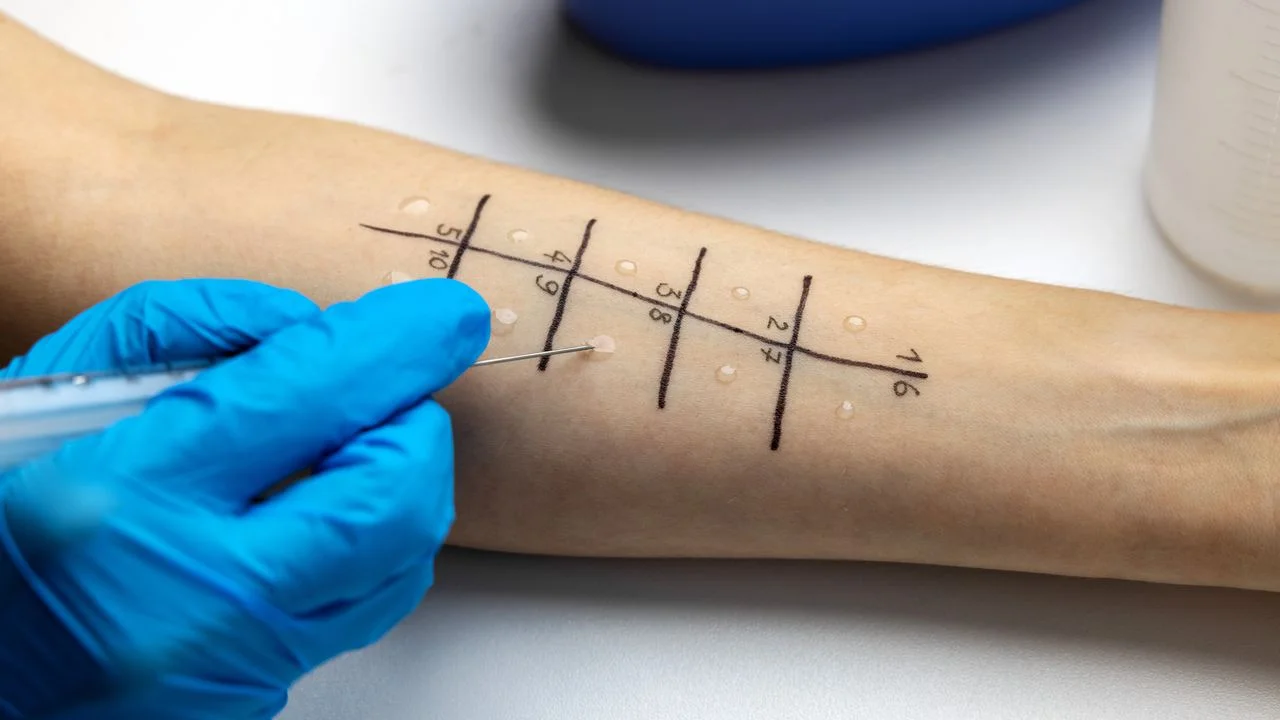
After her release from the hospital, the woman experienced more episodes of similar symptoms after consuming a coconut cream pie and almond candy bar. Approximately two months post-surgery, a skin prick allergy test revealed her sensitivity to peanut and pine nut allergens. Interestingly, she showed no allergic reactions to tree nuts or coconut, and none of the foods that incited her symptoms were confirmed peanut-free.
A significant detail in her case is that her lung donor was a 12-year-old boy who had a known peanut allergy but had never experienced anaphylaxis. Doctors hypothesized that immune cells from the donor's tissue that were sensitized to nut allergens remained in the transplanted lung.
Treatment and Resolution
Remarkably, the woman did not receive any specific therapy targeted at her new allergy. Follow-up skin tests indicated that her sensitivity diminished over time, and by a year after her surgery, it had entirely resolved. She was able to consume peanuts without any adverse reactions in a controlled environment a few months after the one-year milestone. This improvement led her physicians to conclude that the sensitized donor immune cells had cleared from her system.
Uniqueness of the Case
This case stands out as one of only two documented instances of a peanut allergy developing following a lung transplant, as noted in a report published in 2011. The scientific community only began to acknowledge the possibility of allergies transferring from organ donors to recipients slightly over a decade prior to this case's publication. Prior to it, the transfer of allergies had primarily been reported in bone marrow transplants, given that bone marrow is responsible for producing immune cells.
The first recognized instance of donor-acquired allergy in a solid organ transplant was documented in 1997 in a kidney-liver recipient whose donor had a peanut allergy. A 2025 review on this topic indicated that such allergies are more prevalent with lung and liver transplants due to the higher concentration of specific immune cells that generate antibodies against allergens, particularly B lymphocytes.
In addition to B lymphocytes, mast cells and basophils—immune cells associated with allergic reactions—are also potential contributors to donor-acquired allergies. These cells retain allergen-specific antibodies and can release inflammatory substances when encountering triggers, leading to symptoms like anaphylaxis.
The woman’s test for peanut-specific antibodies returned negative, suggesting her body was not continuously producing these antibodies. This finding potentially indicates her allergic reaction could have stemmed from antibodies associated with the donor tissue rather than being generated by her own immune response.
Despite the complexities surrounding the immune response, the eventual reduction in her allergy sensitivity aligns with findings from the 2025 review. The authors underscored the need for improved labeling of donor allergies to aid in the testing and management of organ recipients’ allergies. Both the report's authors and her healthcare team recommended that comprehensive allergy histories and skin-prick tests following transplants could help identify any donor-acquired allergies.
For more compelling medical insights, visit our Diagnostic Dilemma archives.
This content is intended for informational purposes and should not be construed as medical advice.
Discussion
Sign in to join the discussion.