Archaeologists have unearthed a tomb in Saqqara belonging to Sekhentio-Ptah, an official during the Old Kingdom, shedding light on ancient bureaucratic roles.
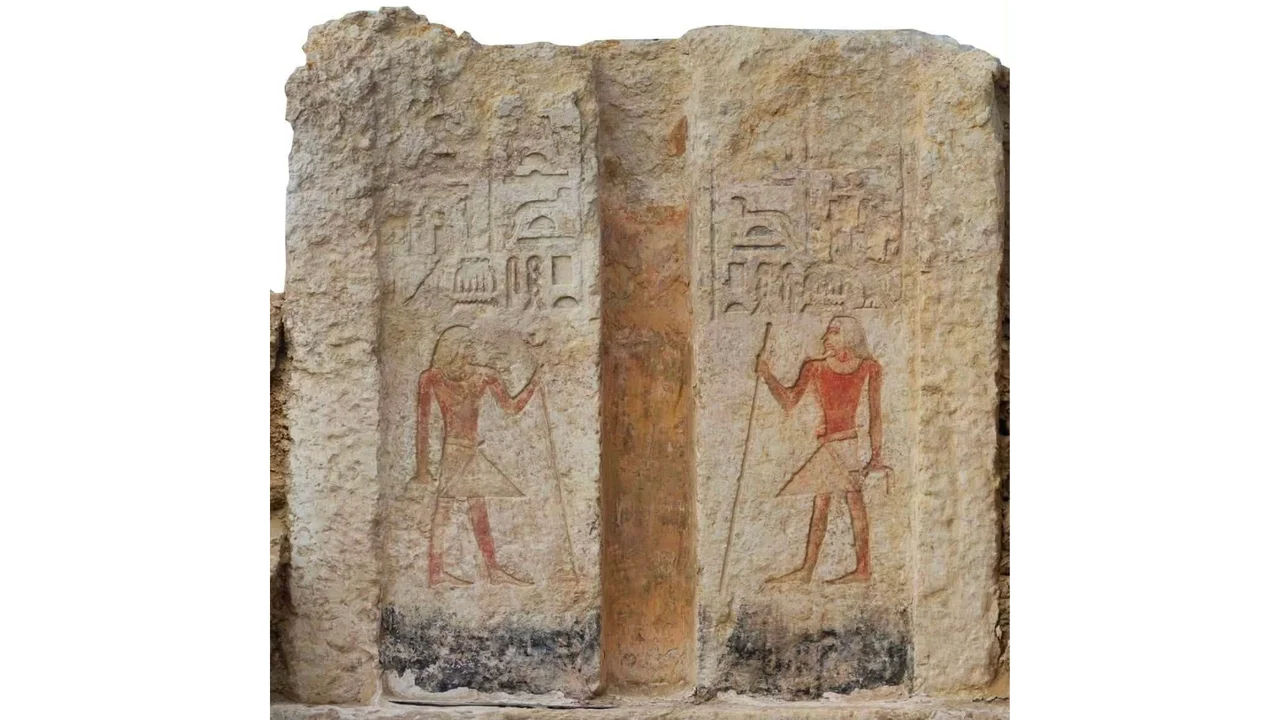
In an exciting archaeological find, experts in Egypt have excavated a tomb linked to Sekhentio-Ptah, an official known as the "keeper of the secrets of royal decrees." This discovery, made in the Saqqara necropolis, offers a glimpse into the bureaucratic structure of ancient Egypt, highlighting the interplay between religion, politics, and society.
Understanding Sekhentio-Ptah and His Roles
Sekhentio-Ptah lived during the Old Kingdom, approximately between 2649 and 2150 B.C. This period is often celebrated for monumental construction projects, including the iconic pyramids at Giza. His title suggests a significant role in the administration of royal decrees, but as Ann Macy Roth, a clinical professor of Egyptology at New York University, points out, it likely implied more straightforward bureaucratic duties than an air of mystery. Roth explains, "It's a common title among royal scribes and implies access to confidential documentation." This insight underscores how ancient titles often reflect specific administrative responsibilities rather than romanticized notions of power.
In addition to being "keeper of the secrets of royal decrees," Sekhentio-Ptah held various other prestigious positions, including "Overseer of all the King's Works" and "Overseer of Royal Documents," as detailed by representatives of Egypt's Ministry of Tourism and Antiquities. These roles paint a picture of an organized governance system in ancient Egypt that was crucial for managing both monumental constructions and the vast bureaucratic documentation needed to sustain a complex society.
Artifacts Uncovered in the Tomb
The excavation team reported a number of interesting artifacts uncovered within the tomb. Among the findings were an offering table, a purification basin, and two false doors. These symbolic doors represent significant ancient Egyptian beliefs, primarily allowing the soul to move freely between earthly life and the afterlife. Roth attributes the design of these doors to be characteristic of the late fifth or early sixth dynasty, approximately 4,350 years ago. That’s quite a feat considering the precision and artistry evident in these architectural elements.
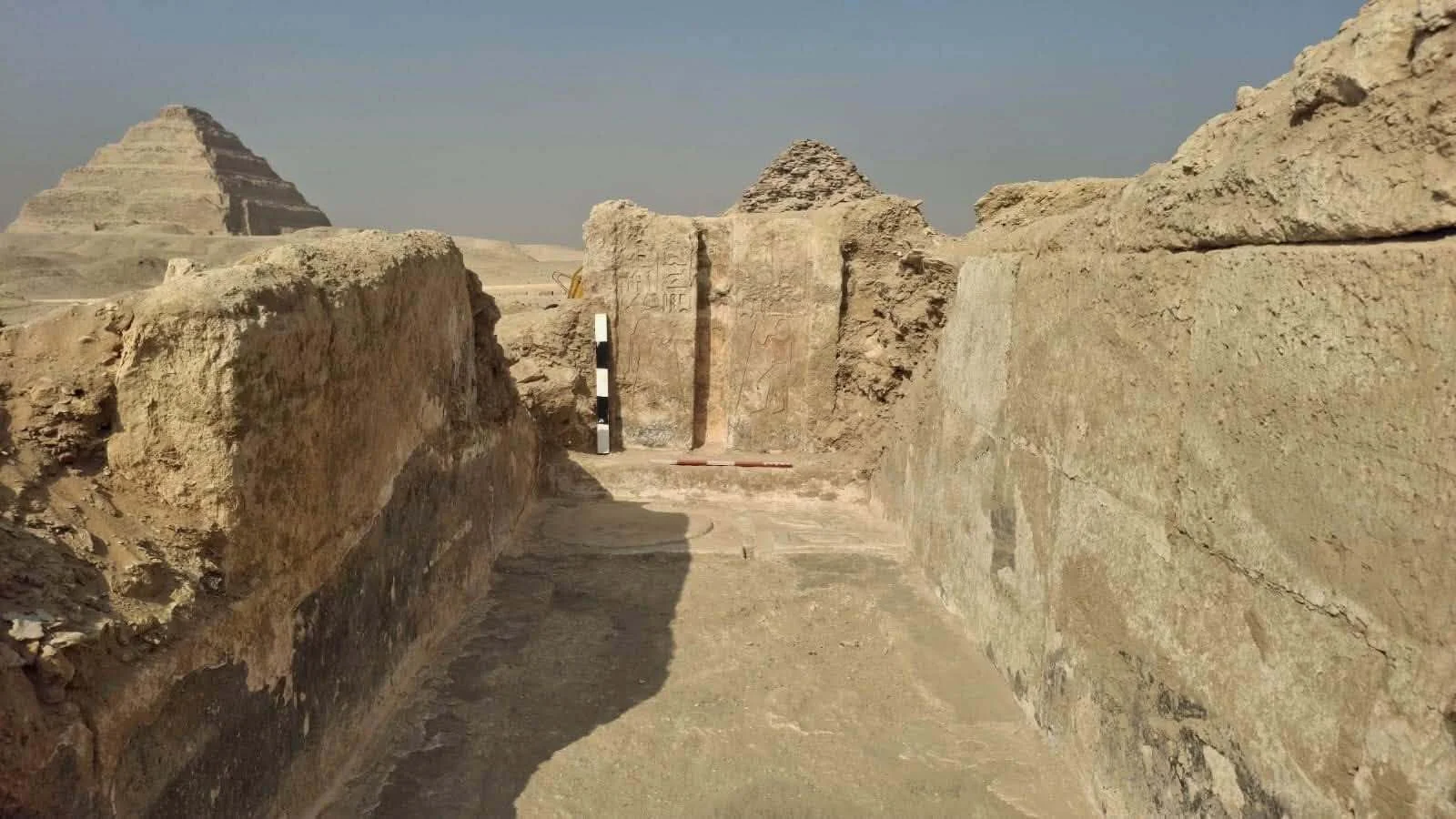
Additionally, over 100 shabtis—figurines meant to serve the deceased in the afterlife—were recovered along with a wooden falcon statue that may be linked to the god Horus, alongside remnants of cartonnage related to mummification. Oddly enough, the actual mummy of Sekhentio-Ptah hasn’t been positively identified yet, leaving a gap in our understanding of his personal story and the rituals associated with his burial.
Interestingly, this tomb appears to have been repurposed for subsequent burials—something often observed in ancient Egyptian practices, Roth commented. This repurposing indicates that beliefs around death and the afterlife were dynamic and likely adjusted over time. The shabtis found are probably from later interments, similar to the cartonnage discovered, which likely belonged to mummies buried after Sekhentio-Ptah's time. This aspect raises questions about how the societal and religious significance of individuals changes, even after death.
Location and Cultural Connections
Located in the Bubasteion area of Saqqara, a site historically known for cat burials dedicated to the goddess Bastet, the tomb does not seem to contain any feline remains. Yet, its proximity to this cultural practice adds another layer of significance to the excavation and what it reveals about ancient Egyptian society. Cats held a specific reverence in ancient Egypt, often associated with protection and fertility. The absence of cat remains may suggest a unique aspect of Sekhentio-Ptah's burial practices, or perhaps the tomb’s original function transcended the feline associations tied to the region.
Future Implications and Societal Insights
As the excavation team continues to analyze the findings, there may be more revelations regarding the societal structures of ancient Egypt. This kind of work not only enriches our understanding of historical hierarchies but can also inform contemporary discourse around governance and social organization. If you're working in this space, consider how administrative systems in ancient times may inspire modern frameworks, especially in developing regions. This excavation serves as a reminder of how intertwined society, administration, and culture are, a reflection that can resonate even today.
Given the ongoing interest in Egyptology, public engagement with these discoveries may also be on the rise. Increased awareness can lead to more funding, further excavations, and possibly new technologies applied to archaeological methods, changing how we interpret the past. As more artifacts and insights emerge from this excavation, the broader implications could shift how we view ancient civilizations and their governance methods.
Discussion
Sign in to join the discussion.