Climate change poses significant health risks through rising temperatures, air quality deterioration, and increased infectious diseases, demanding urgent adaptive strategies.
Burning Up
The intersection of climate change and public health is becoming increasingly alarming, underscoring a chilling reality: as our planet heats up, not only will the environment alter, but our health will also take a hit. This piece explores the multifaceted consequences of climate change on our well-being, delving into four critical areas: rising temperatures, deteriorating air quality, food insecurity, and an uptick in infectious diseases. It's crucial we examine not only the challenges but also the potential adaptive solutions that may mitigate these threats.
Take the research from Xiaoyu Shan's lab at Caltech, for instance. At first glance, Shan's experiments may resemble a messy gardening project, with dirt-filled dishes that could easily be mistaken for failed plant attempts. However, these soil samples carry a significant health warning. The microbes within those samples were found to evolve in troubling ways in drought conditions, demonstrating an enhanced resistance to antibiotics.
A study published in March outlined these findings, revealing an urgent connection: as droughts become more common due to climate change, they may inadvertently drive the evolution of antibiotic-resistant bacteria. The ongoing misuse of antibiotics already fuels bacterial resistance, but the added pressure from a changing climate could accelerate this trend. "We're likely to see an uptick in resistant bacteria in various global regions," warns Dianne Newman, a microbiologist and co-author of the study.
But this isn't just a matter of antibiotic resistance. The implications of climate change stretch far and wide, with an emerging public health burden compounded by disrupted supply chains and nutrition. "It’s a confluence of stressors that threatens our health,” states Marina Romanello, a principal research fellow at the Institute of Global Health, University College London. The overall risk from these multiple overlapping factors is higher than any single metric can adequately capture.
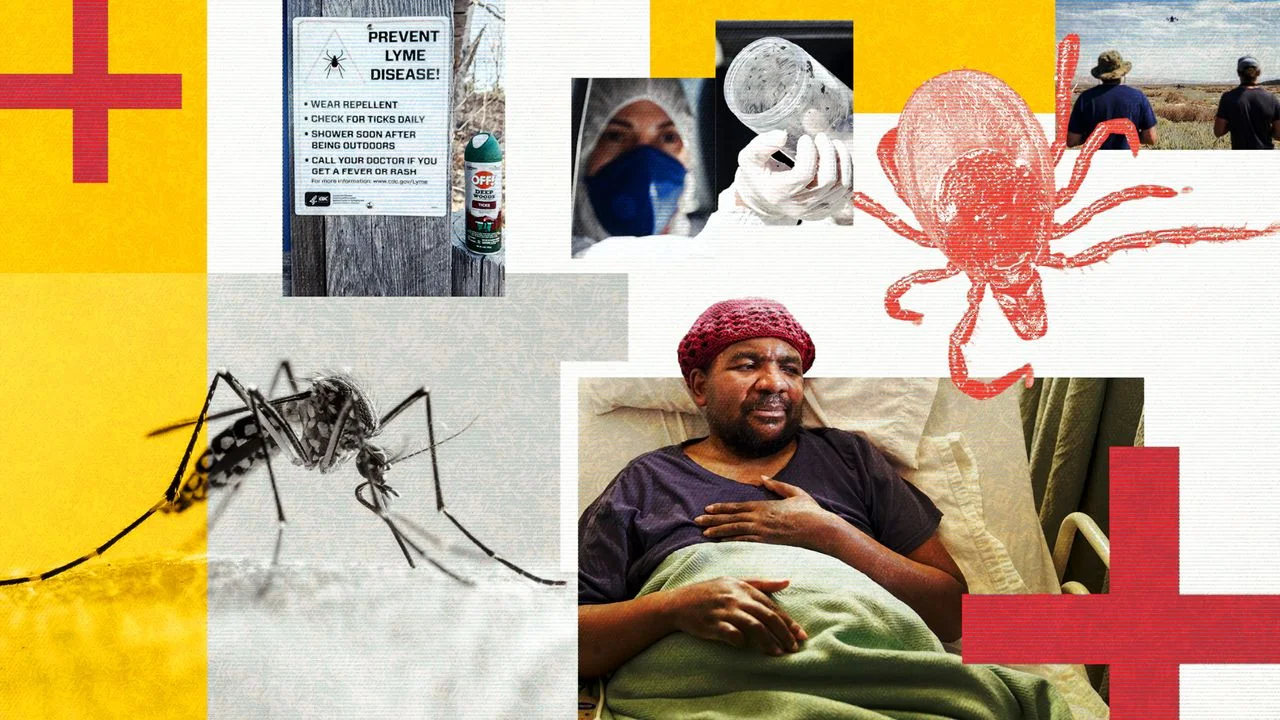
In warming regions, the prevalence of vector-borne diseases is also on the rise. For instance, in places like Bailey, Colorado, where winter snowstorms are gradually giving way to milder conditions, ticks and the diseases they carry are becoming a significant concern. The CDC recently reported unusually high emergency room visits for tick bites, marking a troubling trend across the United States as warmer temperatures allow these pests to thrive in new areas. With diseases like Lyme disease and West Nile virus becoming more common, the health ramifications are stark.
What's really interesting to consider is how these climate changes could lead to a resurgence of diseases once kept at bay. For example, the southeastern United States is expected to endure greater risks from malaria and dengue fever as climates shift. A resurgence of diseases could transform healthcare needs across the U.S., demanding new strategies for vaccination and treatment—a costly prospect for society.
The confluence of extreme weather events, stemming from climate change, also serves to exacerbate public health issues. Flooding, for instance, provides a breeding ground for mosquitoes and can lead to spikes in various diseases, including rarer ones like leptospirosis. Following significant storms, data shows an increased incidence of gastrointestinal cases, particularly among marginalized populations who are more likely to live in flood-prone areas.
The implications of climate change for infectious diseases are profound and multifaceted. As the risks stack up—disease burdens intensifying amid disrupted systems—we face increasingly complicated challenges. With every new piece of research, it becomes clearer that addressing these concerns isn't just about mitigating climate change; it's about protecting the very fabric of public health in the years to come.
Discussion
Sign in to join the discussion.