September offers stargazers a prime opportunity to see five planets, the Harvest Moon, and the dazzling Milky Way across Northern Hemisphere skies.
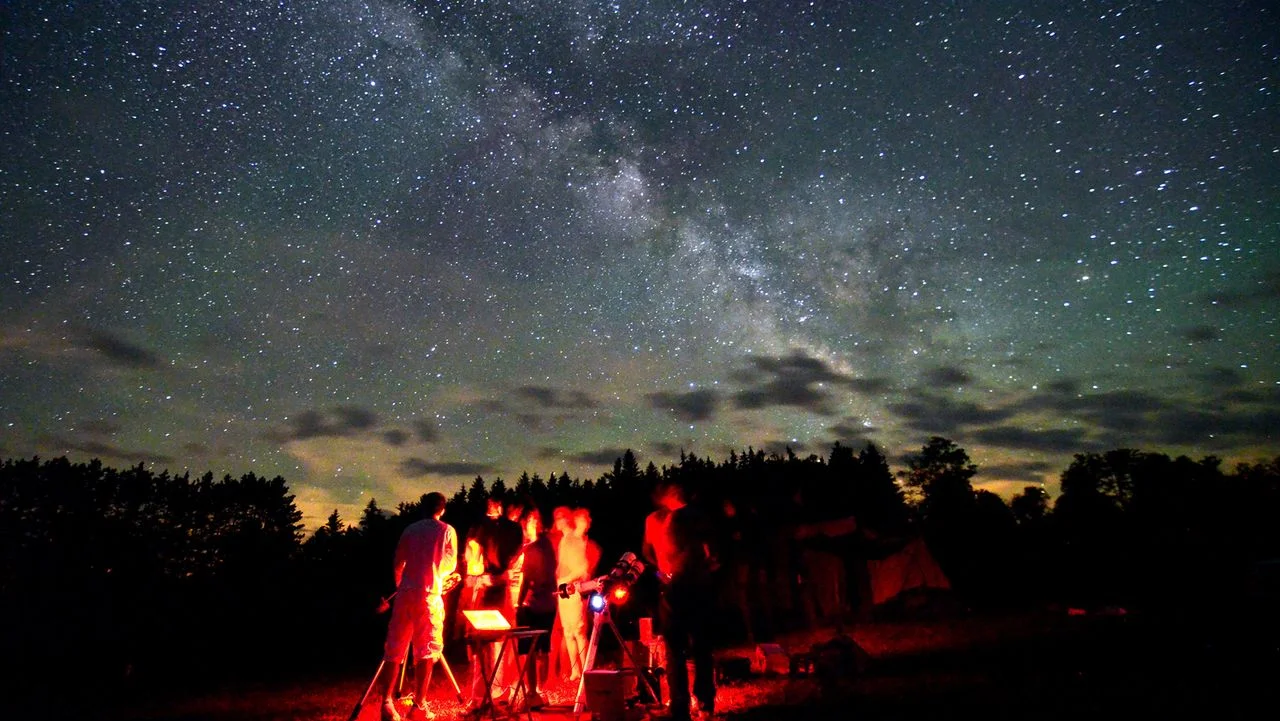
For those passionate about stargazing, September stands out as a prime month, merging comfortable evening temperatures with darkening skies. The Milky Way remains prominently visible as the seasons shift, heightening the chances of catching a glimpse of the northern lights. While not all regions will be equally likely to see these mesmerizing lights, the alignment of factors like longer nights and clearer skies can create ideal conditions for viewing, especially in areas further north.
Stargazers in the Northern Hemisphere often face one challenge during summer: the late arrival of darkness. This can be frustrating for those keen to admire the night sky. By September, however, sunsets occur noticeably earlier, which transforms the stargazing experience. People can finally spend extended hours under clear skies. The warmth of summer lingers during the day, allowing for enjoyable outdoor activities and ideal conditions for those willing to stay outside with binoculars or a telescope. Yet, the main hurdle remains the persistent threat of clouds obstructing views—a common issue for amateur astronomers and seasoned stargazers alike.
The Fall Equinox and Its Implications
A key event in September is the fall equinox, which this year falls on September 22. This pivotal moment marks a transition in the natural order when day and night nearly equal each other in length as the sun crosses the Earth's equator. It's a date that not only prompts changes in daylight but can also impact wildlife and plant cycles. For gardeners and nature enthusiasts, this means preparing for the slower growth patterns that the fall entails.
From a celestial perspective, the equinox signifies that the nights will progressively lengthen as we approach the winter solstice on December 21. This gradual increase in nighttime hours means more opportunities for stargazing while also indicating the changing seasons. Observers should consider this when planning outings, as varying darkness can affect visibility of celestial bodies and events. In practical terms, it’s the perfect moment to adjust your stargazing schedule for the months ahead, especially with winter's early nights on the horizon.
Starry Highlights for September
A wealth of celestial events will captivate observers throughout September. All five visible planets can be seen throughout the month, although not all at once. Venus and Mercury grace the evening sky, dazzling those who take time to look up before night falls. For early risers, Mars and Jupiter offer striking views in the morning, casting a brilliant start to the day. Meanwhile, Saturn enjoys a more extended nighttime presence, making it a favorite for late-night enthusiasts. On September 26, Neptune reaches its opposition, meaning it's positioned directly opposite the sun from Earth. This alignment often provides one of the best viewing opportunities for this distant planet, presenting a great chance for both amateur and seasoned stargazers.
The moon, too, plays a delightful role throughout the month, passing near several bright planets. Stargazers can watch as it nudges past Venus on the evenings of September 13 and 14, offering romantic vistas for lovers of the night sky. Just before dawn on September 8, the moon makes a close approach to Jupiter, an event that shouldn't be missed if you're an early riser. The full Harvest Moon will light up the sky on September 26, shortly followed by Saturn, and this showcase can enchant anyone with a simple telescope or even binoculars.
Beyond these events, September serves as one of the final chances of the year to witness the most vibrant portions of the Milky Way during evening hours. As summer stars sink toward the western horizon, the Great Square of Pegasus will herald the shift to autumn's celestial displays. This should remind us that while the Milky Way might be best viewed during specific months, opportunities are dwindling as we progress into fall. For casual observers, this month is not just another cycle of stargazing but a last hurrah for summer constellations.
Looking Ahead: The Implications of September Stargazing
With such an abundance of sights to savor, this month promises an extraordinary experience for stargazers. To many enthusiasts, September is a magical gateway to the clear skies of autumn and the longer nights that follow. The celestial events that unfold not only provide striking visuals but also foster a sense of community among stargazers. If you're working in this space—perhaps as an amateur astronomer or simply someone who loves the cosmos—September challenges you to embrace the transition from summer's warmth to autumn's chill while keeping an eye on what the universe has to offer.
The past few years have seen a surge of interest in astronomy and astrophotography, largely driven by the accessibility of powerful tools and technology. That's not going to change anytime soon. As more people turn their eyes to the skies, the community around stargazing continues to grow. However, with growth comes the responsibility to protect the natural wonders of our night skies from light pollution. In many regions, city lights obscure countless celestial sights and dilute the beauty of these events. Efforts to combat this, like dark sky initiatives, are gaining traction but face resistance in urban areas.
And this is the part most people overlook: as we embrace advancements in technology, the need to preserve the very essence of stargazing becomes more critical than ever. If the public continues to cherish these moments of connection with the universe, perhaps new generations will prioritize protecting the night sky. Stargazing isn't just a pass-time; it's a bridge that connects us to the cosmos and reminds us of our place within it.
There's more to this than you might think. September embodies a stirring urgency to seize the moment for stargazing while also considering the future. It’s not merely about looking up; it’s about ensuring that others can enjoy the same views. So, take your binoculars, your telescope, or just your eyes and soak it all in—this month is a celebration of what lies beyond our Earthly existence.
Discussion
Sign in to join the discussion.