New research reveals how unusually warm conditions on the Tibetan Plateau contributed to record rainfall in California and nearby states, impacting disaster forecasts.
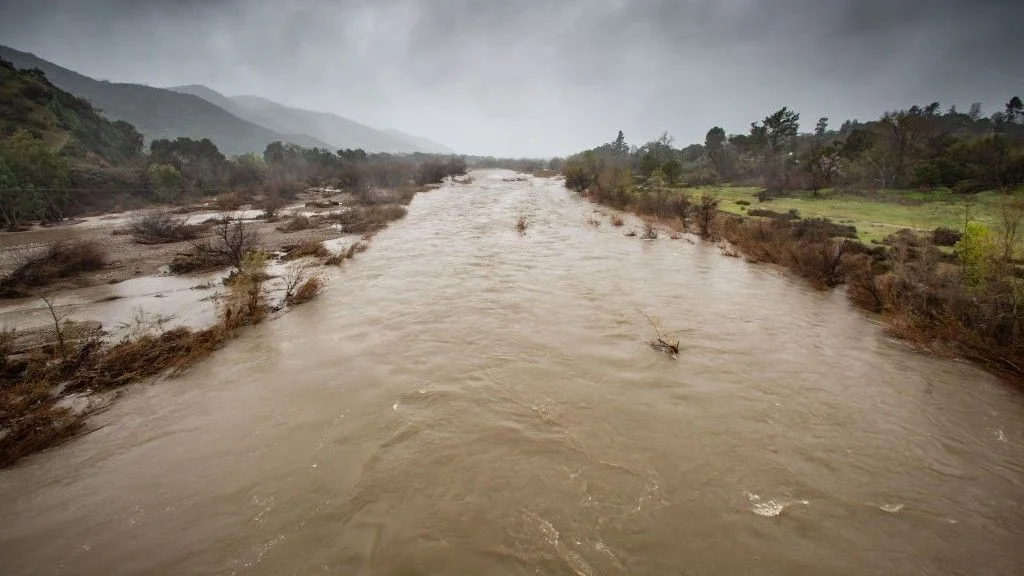
Recent research highlights a significant climate teleconnection between the Tibetan Plateau and extreme rainfall events in the western United States. The study indicates that elevated temperatures on the plateau are influencing weather patterns thousands of miles away, with severe rainfall recorded in California, Nevada, Oregon, Utah, and Arizona in both early 2017 and 2023.
The Tibetan Plateau and Its Climatic Influence
The Tibetan Plateau, often referred to as the "Third Pole" of the Earth due to its vast glacier reserves, plays an underappreciated role in global climate dynamics. Situated at an elevation of over 4,500 meters, the plateau has a unique climatic influence that reaches far beyond its borders. When temperatures spike on the plateau, they don't just create localized effects; they initiate a chain reaction that can be felt as far away as the western United States. This connection complicates our understanding of weather systems, particularly as changes in one geographic area can precipitate extreme conditions in another. The importance of this connection is increasingly evident as research suggests the consequences of climate change are spreading rapidly across the globe.
Extreme Weather Events and Economic Implications
During December 2016 and February 2023, temperatures on the Tibetan Plateau exceeded seasonal norms. Approximately one month later, regions in the western U.S. experienced unprecedented precipitation, resulting in an estimated $6.6 billion in damages and led to at least nine fatalities. These figures aren't just numbers; they underscore the human and economic costs associated with weather extremes influenced by distant climatic changes. When atmospheric rivers bring intense rainfall to coastal regions, they can create flooding, landslides, and infrastructural collapse, particularly in areas unprepared for such overwhelming precipitation. What this means for communities is a pressing need for better forecasting and infrastructure adaptation to mitigate these increasingly frequent disasters.
Reassessing Predictive Models
Study lead author and distinguished professor of atmospheric and oceanic sciences at UCLA, Yongkang Xue, noted that existing forecasting systems, heavily reliant on oceanic conditions such as El Niño, failed to predict these extreme rainfall patterns. Traditional methods of forecasting severe weather events have emphasized near-ocean indicators, potentially overlooking significant atmospheric changes occurring at high altitudes, like those seen in the Tibetan Plateau. The study's findings should prompt meteorologists to reassess their predictive models, especially since such extreme rainfall transpired during La Niña years, which are typically expected to bring drier conditions. This discrepancy illustrates just how complex and interwoven climate science can be, making forecasting a challenge that demands constant refinement.
The Role of Atmospheric Rivers
Xue emphasizes this study as the first to provide observational data and modeling that correlate higher temperatures on the Tibetan Plateau with increased activity of atmospheric rivers along the Pacific Coast, resulting in heavy rainfall. These atmospheric rivers, which are elongated corridors of vapor, can transport massive amounts of moisture, making them crucial players in precipitation and flooding patterns across the western U.S. As our climate continues to warm, recognizing the behavior of these atmospheric rivers becomes ever more vital. If you're working in this space, understanding their dynamics could become a foundational element of effective disaster preparedness and response strategies.
Temperature Gradients and Their Effects
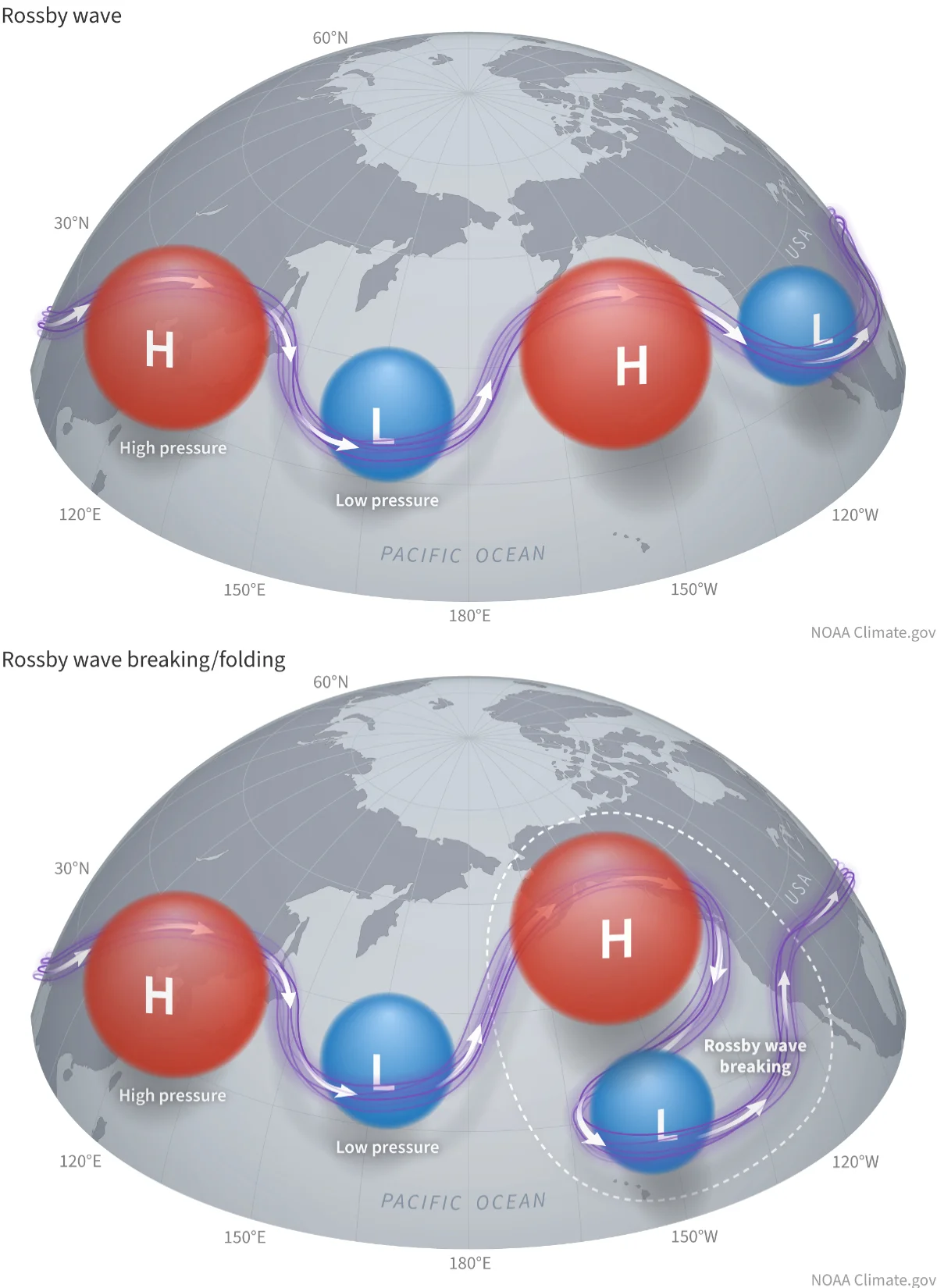
As the Tibetan Plateau warmed, a notable thermal gradient developed between the plateau and its neighboring regions. This temperature imbalance generates atmospheric disturbances that travel eastward along the jet stream. In climate science, this phenomenon is illustrated by a Rossby wave train, which characterizes the connection between high-altitude temperature changes and weather impacts in North America. As these atmospheric waves progress towards the northeastern Pacific, they culminate in phenomena akin to ocean waves crashing ashore, intensifying atmospheric rivers and consequently resulting in extreme precipitation events along the West Coast. “The dynamic of wave-breaking reduces atmospheric stability, which magnifies the impact of atmospheric rivers,” Xue explained. Understanding Rossby waves is crucial, as it could help improve the accuracy of weather predictions.
Broader Implications for Weather Forecasting
This insightful study, published in the journal Science Advances, is part of a broader inquiry into how land temperatures affect weather patterns. According to Matthew Huber, a professor at Purdue University who was not involved in the research, the implications of this study could lead to improvements in weather forecasting accuracy by considering factors occurring far upstream in the atmosphere. Tools that incorporate high-altitude temperature changes into their algorithm will mark a significant advance in meteorology.
"The impact of temperature changes on such high altitudes can significantly affect the jet stream's dynamics, akin to a rider's jump on a motorcycle,” Huber noted. The models used showcased a strong correlation between terrestrial temperature fluctuations and the resulting weather phenomena, suggesting a pathway for integrating such data into forecasting systems for the western U.S. This correlation must be a wake-up call for forecasters and strategists trying to adapt to climate realities.
Future Outlook: Preparing for Climate Challenges
These findings indicate that as climate extremes become more prevalent globally, understanding these teleconnections can enhance preparedness for weather-related hazards in coastal communities. There's a clear message: the consequences of changes in one part of the globe can have profound implications elsewhere. The study underscores the sensitivity of weather predictions in the U.S. West to seemingly insignificant changes upstream, paving the way for more resilient forecasting strategies. As technology progresses, integrating this type of research into practical applications will be essential for communities facing the brunt of climate change. This is more significant than it looks and has serious implications for future policy and infrastructure planning. Weather history may be rewritten as we learn to account for these intricate global relationships.
Discussion
Sign in to join the discussion.