Explore how New York City's proactive heat response strategies effectively reduced health risks during extreme temperatures, highlighting urgent solutions for a warming world.
Transforming Health in a Warming World
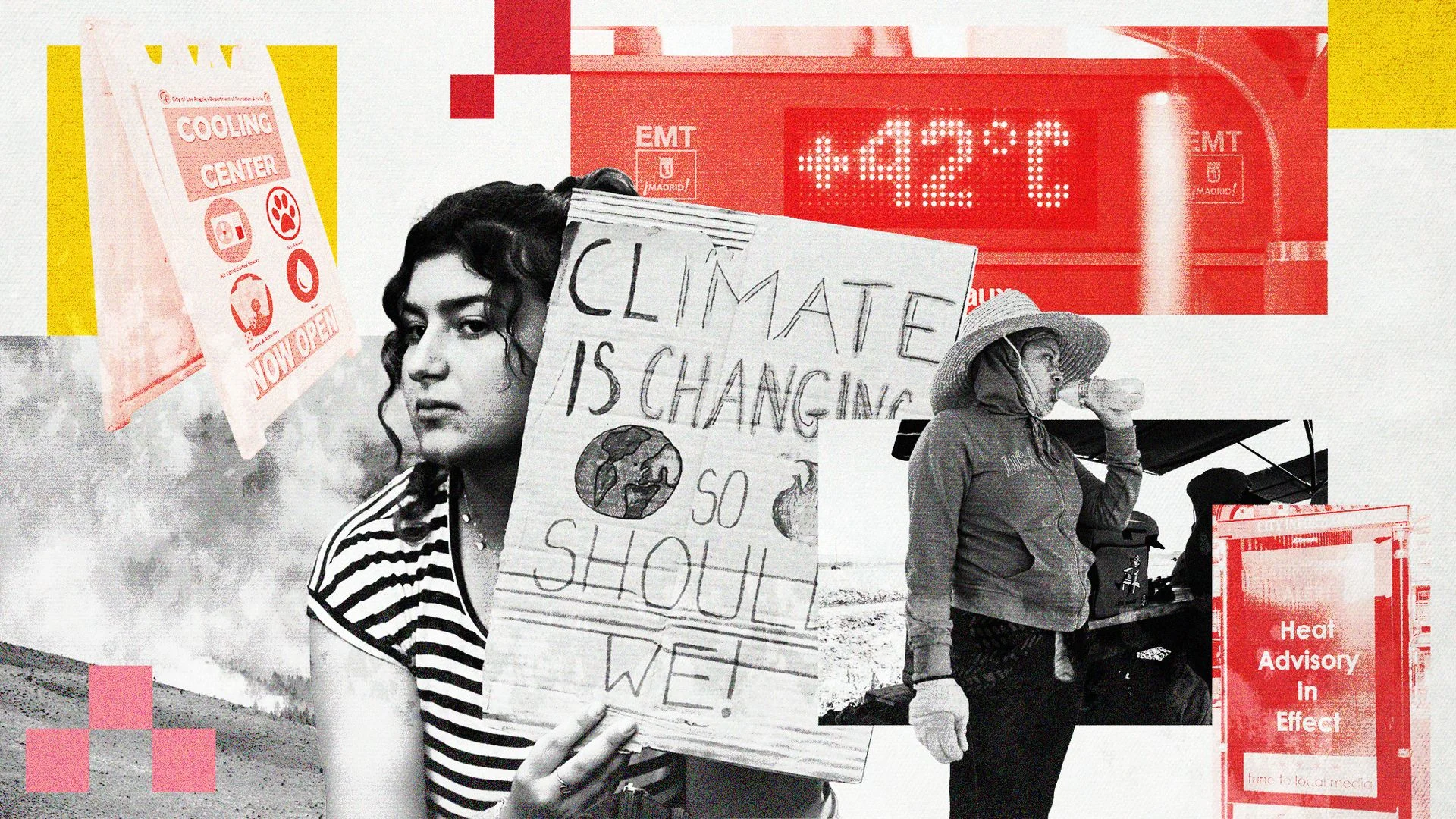
Climate change isn't just reshaping our planet; it's also fundamentally altering how we experience heat and its associated health risks. In the series titled Burning Up, we probe the intricate links between our changing climate and health, specifically examining the impacts of rising temperatures, deteriorating air quality, food security, and increased infectious diseases. This piece lays the groundwork for exploring solutions that could help us adapt to a warmer future—the stakes are high, and the time for action is now. Consider the critical steps taken by New York City during a particularly sweltering summer in 2008. The city's decision to lower the threshold for its emergency heat plan is one case study worth unpacking. Historically, New York adhered to the National Weather Service's benchmark of a heat index reaching 105°F (40.6°C) before signaling a heat emergency. However, an alarming number of heat-related health crises began to emerge even at lower temperatures. By recalibrating its alert threshold to activate when temperatures reached 100°F (37.8°C) for a single day or 95°F (35°C) for two consecutive days, city officials implemented targeted outreach strategies aimed at the most vulnerable populations, including the homeless. They utilized a multifaceted approach: alerting residents via their mobile devices, implementing measures to secure power and water supplies, and setting up cooling centers. Notably, this adjustment correlated with an impressive reduction of more than 50% in hospitalizations for heat-related illnesses on sweltering days. This example of New York City showcases a proactive intervention in the face of climate-induced health threats. As Charles Leonard, an epidemiologist at the University of Pennsylvania, pointed out, effective public health measures should focus on decreasing hospital visits and fatalities, rather than merely addressing exposure to extreme heat or pollution levels. Looking ahead, the consensus among health experts is clear: to stave off the most severe consequences of climate change, we must significantly curtail carbon emissions. For instance, limiting global warming to 1.5 degrees Celsius could prevent an estimated 11,600 deaths per year linked to wildfire smoke in the U.S. Contrarily, even with swift action to reduce emissions, the repercussions of climate change will profoundly impact public health. So, what solutions are effective in combating these dire health implications? A thorough review of existing literature and discussions with 19 climate and health specialists from various institutions have shed light on the most promising measures. While some strategies have demonstrated tangible reductions in mortality and morbidity, others rely on assumptions or modeling rather than direct outcomes. It's imperative to evaluate these interventions not just on theoretical efficacy but on their real-world applications. New York's lowered heat threshold serves as a concrete model, but many interventions require further scrutiny. Often, while certain approaches may show potential for reducing temperature or influencing human health, they don’t always translate into proven results at the population level. The need for a multi-pronged strategy is evident, given the cataclysmic health risks associated with climate change.Testing the effectiveness of heat prevention strategies isn't straightforward, as controlled experiments are not feasible in most cases. Researchers tackle this by analyzing conditions before and after specific interventions or by drawing parallels with similar cities where such plans haven't been implemented. These "natural experiments" serve as a workaround for the absence of a perfect control group. Notably, a study published in 2025 demonstrated that heat exposure prevention efforts resulted in a significant 25% drop in heat-related deaths across Europe, highlighting the potential effectiveness of well-structured interventions (source).
Tailored Alerts
Evidence grade: Strong
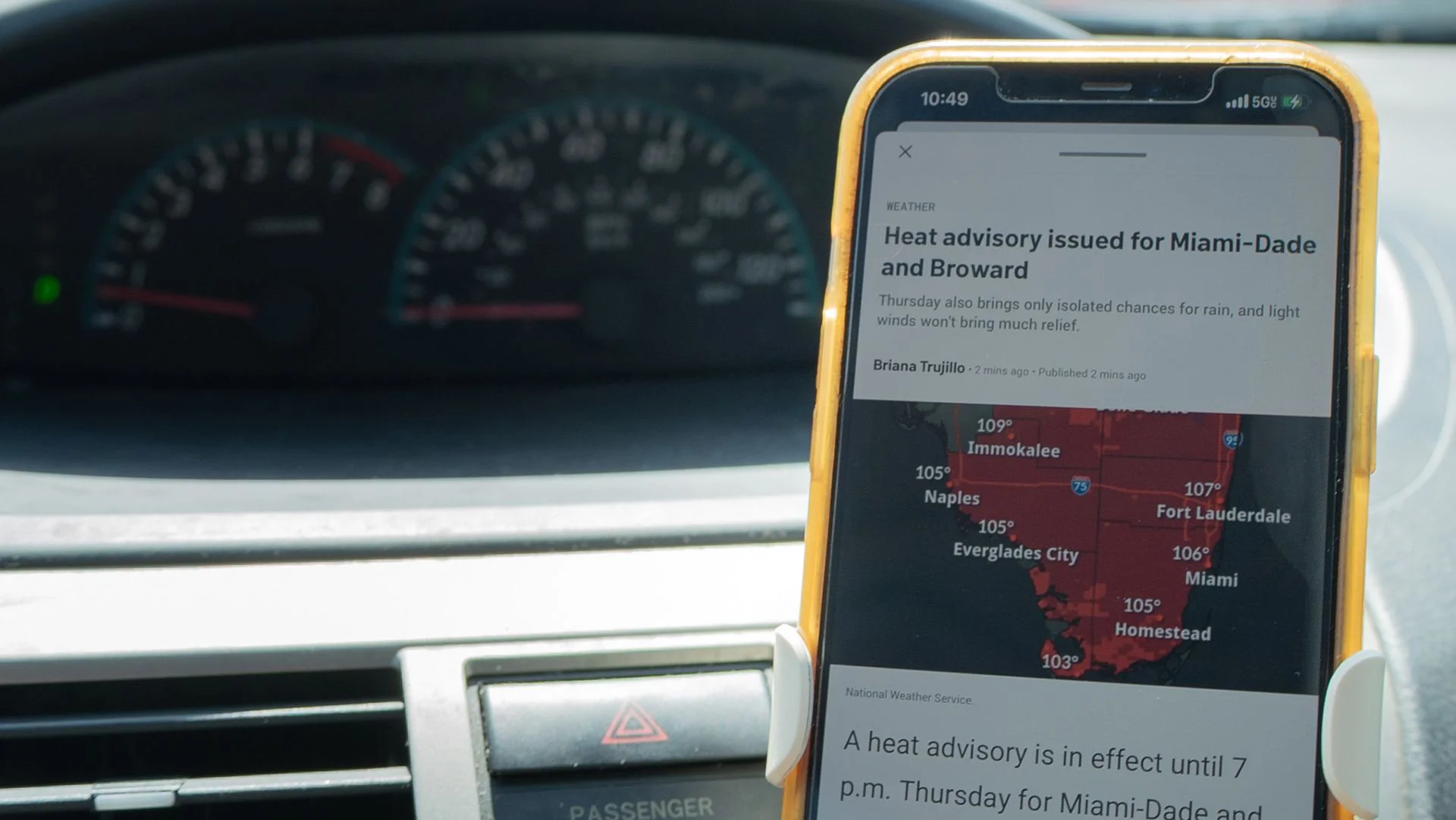
Most current warning systems activate when temperatures exceed certain thresholds deemed hazardous for the general populace. However, as Shickman points out, "[i]n reality, people experiencing the same air temperature will have very different responses to it." This begs the question of how effective these blanket alerts really are. Instead, there's a growing argument for personalized messaging that caters to individual health profiles and vulnerabilities.

A case in point is a pilot initiative by Emblem Health in New York that utilized an artificial intelligence (AI) agent to deliver personalized guidance to around 17,000 individuals facing complex health challenges. The results were striking: this intervention effectively halved hospital admissions compared to a control group that did not receive such tailored support. "We're capable of transitioning from generic alerts to proactive notifications that address the specific needs of individuals," Shickman emphasized.
Cooling Centers
Evidence grade: Weak
An often-utilized strategy during heat waves involves setting up cooling centers, which are designated public spaces—such as libraries, community centers, or places of worship—offering respite from extreme temperatures. The goal seems straightforward: to provide access to cooler air through air conditioning.
Yet, despite their widespread implementation across the United States and beyond, evidence supporting their effectiveness in diminishing heat-related hospitalizations or deaths remains scant. This lack of proof could stem from the observation that many individuals do not frequent these centers.
For example, a study focusing on Virginia's cooling centers raised eyebrows, suggesting that areas with these facilities sometimes witnessed higher incidences of heat-related illnesses. The 2025 analysis by the National Bureau of Economic Research questioned whether those most in need of cooling actually have the ability or willingness to access these centers and whether the commute to these facilities potentially exposes them to even more heat than staying indoors.
Wildfire Smoke
Wildfire smoke brings its own set of health hazards, primarily due to fine particulate matter known as PM2.5. These microscopic particles, significantly smaller than a human hair, can infiltrate deep into the lungs and even enter the bloodstream, exacerbating conditions like heart attacks and asthma (source).
Statistics paint a troubling picture, with PM2.5 pollution accounting for tens of thousands of premature deaths in the United States annually. Alarmingly, forecasts indicate that emissions linked to wildfires could rise by 262% to 482% by 2055, contingent on carbon emissions levels (source).
So, how do we counter this growing threat?
Discussion
Sign in to join the discussion.