After the US officially confirmed the deployment of space weapons, concerns about an impending arms race and reader sentiments highlight widespread apprehension.
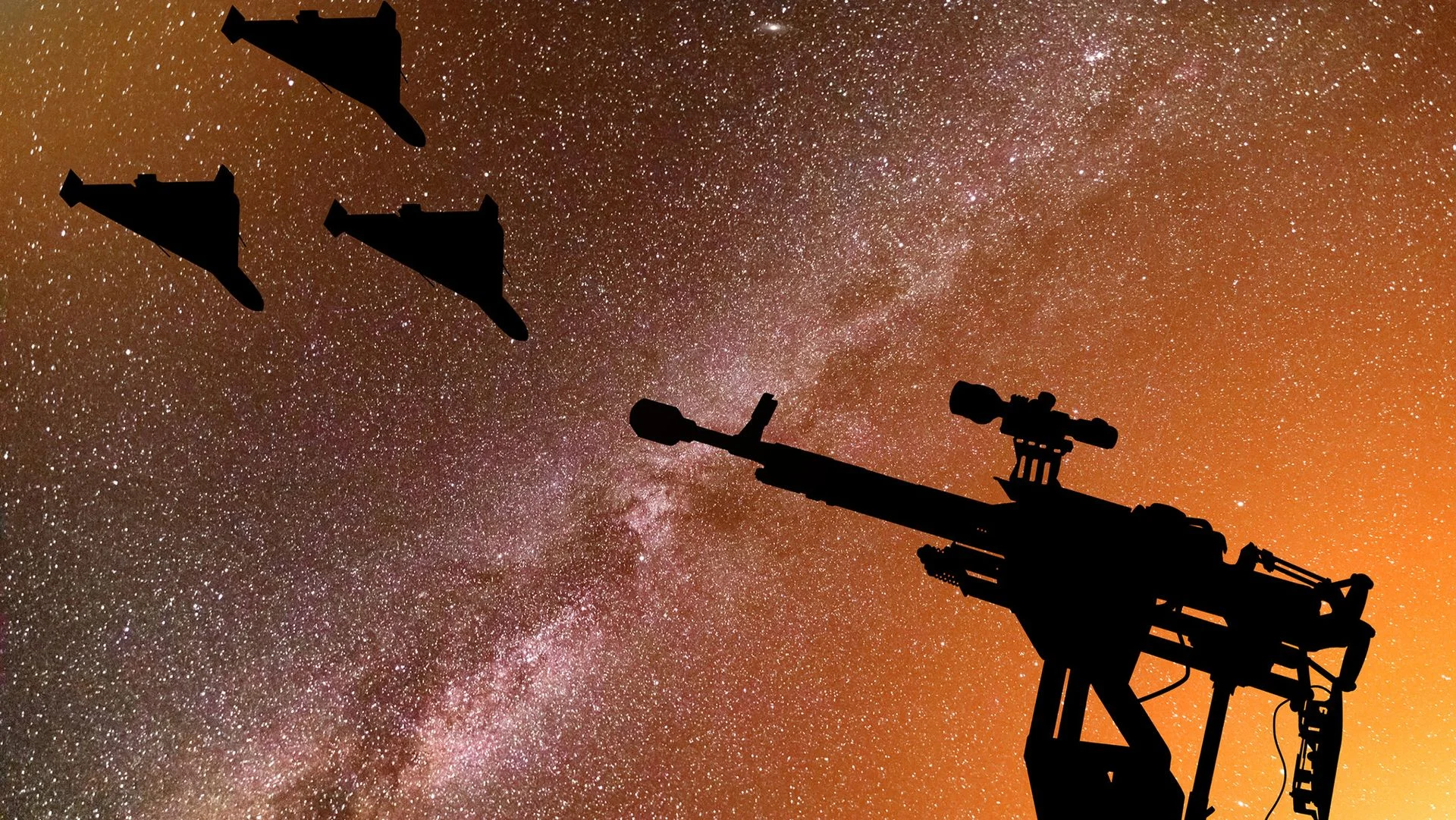
US Space Weapons Deployment Raises Alarms
The concept of space-based weapons, once limited to science fiction, took a significant turn on September 14 when U.S. Air Force Secretary Troy Meink announced the deployment of "on-orbit space control weapons." This announcement, made during the Air, Space and Cyber Conference in Maryland, marks a pivotal moment in U.S. military strategy. Historically, discussions about weapons in space have been more about hypothetical scenarios than concrete actions. However, this move signals a shift toward an aggressive posture, aimed at enhancing defense capabilities against potential threats emerging in outer space. As global tensions rise, the implications of such advancements can't be ignored. Are we witnessing the dawn of an era where military engagements might extend beyond our planet?
Fears of an Arms Race
Experts express serious concerns that this move might trigger a new arms race in space, contradicting international agreements like the 1967 Outer Space Treaty. The treaty, designed to prevent the placement of weapons in orbit, is fundamentally limited by its lack of enforcement mechanisms. This presents a precarious situation where nations might interpret this U.S. decision as an invitation to develop their own military capabilities in space. The fear is not unfounded. Similar systems typically elicit defensive postures from adversaries. If the U.S. underlines its military presence in space, rival nations will likely feel compelled to follow suit, raising the stakes in an arena where security and stability are already tenuous.
Public Reactions to Space Militarization
In light of these developments, Live Science conducted a poll to gauge public sentiment towards the militarization of space. Over 280 participants weighed in, with about 80% expressing concern that space could become the next battleground for weapons. Given recent geopolitical affairs, it's understandable that many would react strongly to the idea of military confrontations extending into what has traditionally been seen as a peaceful domain. The mere notion of weapons in orbit conjures images of an escalating conflict, adding to public anxiety about security. This isn't just about rocket science; it's about the space between us and the potential for conflict in a territory that ought to transcend earthly disputes.
Diverse Opinions Among Readers
The commentary from readers reflects a widespread unease. A significant number voiced their worries, encapsulating the general sentiment that has emerged since the announcement. One participant stated, "Of course I am worried that the US have put weapons in space," illustrating a prevailing distrust of governmental actions in this particularly sensitive area. These sentiments reflect deep-seated fears and misunderstandings about the nature of military preparedness and the implications of space control.
Conversely, another reader shared a more measured perspective. They suggested that while the situation is concerning, it’s essential to wait for international reactions. This kind of wait-and-see attitude was echoed by roughly 14% of the poll respondents, showing a desire for greater context before jumping to conclusions. This perspective embodies a more balanced view amid the noise; unlike many, these individuals appear cautious about immediate panic. But here's the thing: the stakes are incredibly high, and waiting might not be a luxury we can afford.
Some comments suggested that space weapons might not be an immediate precursor to conflict. This view emphasizes the notion that defensive measures could be necessary for maintaining peace. One reader pointed out, "If you want peace, prepare for war," which feeds into historical arguments that suggest a strong defense can deter aggression. But is this entirely true? This raises an essential question: can the presence of weapons promote stability, or do they inevitably lead to escalation?
Implications and Future Outlook
The deployment of on-orbit space control weapons represents not just a shift in military strategy but potentially a seismic change in the international order concerning space governance. If the U.S. takes this path, other countries, particularly those with burgeoning space capabilities like China and Russia, will likely react in kind. The possibility of an arms race in space is troubling, and international treaties may become little more than historical footnotes. The absence of a clear and enforceable framework to govern space conduct means that efforts at diplomacy may be undermined by nationalistic pragmatism.
What this means for you, especially if you're working in this space or related sectors, is that the need for dialogue about shared norms and responsibilities is more pressing than ever. Without such discussions, we're poised at the brink of a new frontier filled with uncertainty and potential conflict. The dual-use nature of many space technologies complicates matters further, as both civilian and military applications often intertwine. So what's next? As nations race to bolster their military presence in space, the need for cooperation could become one of the defining challenges of our time.
Discussion
Sign in to join the discussion.