Cat yowling serves as an important form of communication influenced by emotion, territory, and learned behaviors, providing deeper insights into feline behavior.
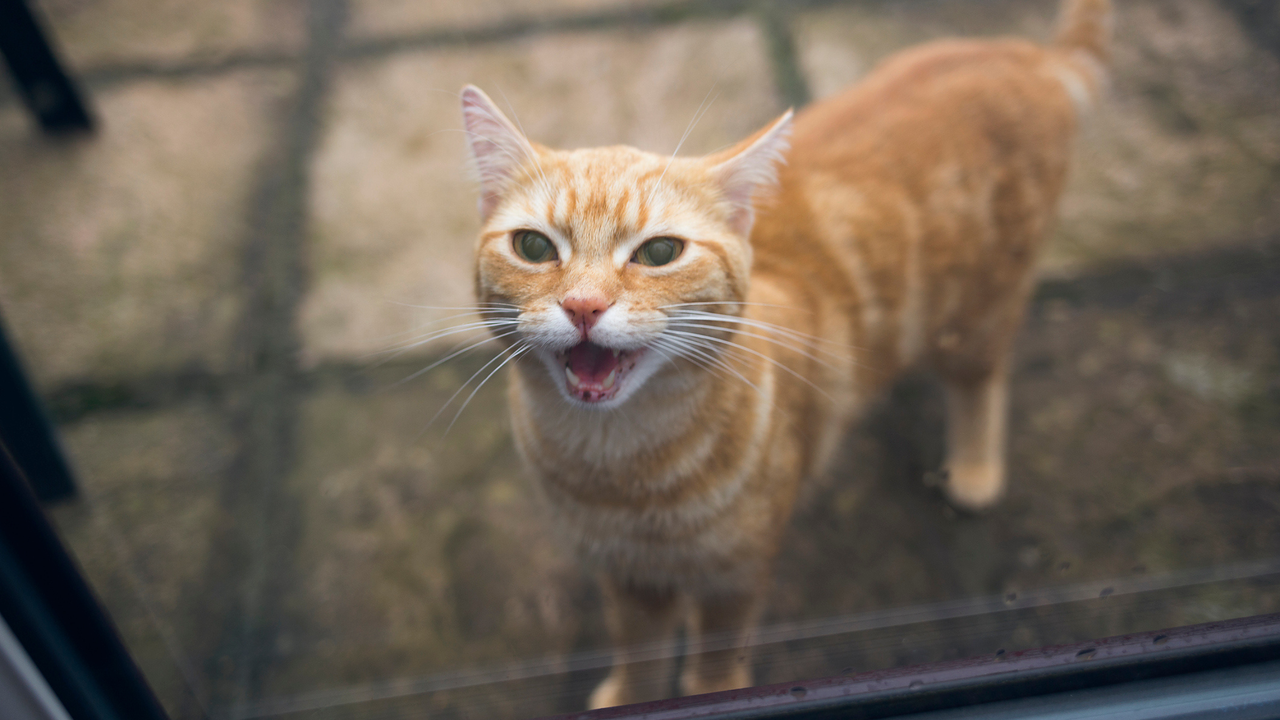
If you’ve ever found yourself abruptly awakened by your cat’s long, mournful yowl in the night, you might be wondering what exactly drives this behavior. Yowling, a sound often associated with distress or aggression, carries complex meanings that extend far beyond just a call for food or attention.
The term "yowl" can vary significantly in definition, especially between veterinary contexts and pet owner experiences. While some experts define it as a loud, harsh cry indicating aggression or mating behavior, others use it to refer to any loud vocalization. This disconnect underscores the importance of context in interpreting what a yowl really signifies.
The Roots of Yowling
Interestingly, the act of yowling may predate domestication itself, suggesting it’s an evolutionary holdover from ancestral behaviors. According to Jay Schwartz, a professor of psychological sciences, the yowl is a vocalization used by wildcats, including their closest relatives, the African wildcat. These sounds likely originated as territorial declarations, a means for animals to mark their territory and ward off challengers, thereby avoiding physical confrontations.
Schwartz draws parallels to various species in the animal kingdom, noting that territorial vocalizations are essential for establishing dominance and safety regarding resources like food and mates. Hence, when a cat yowls at another, it’s engaging in a deeply ingrained survival tactic.

Triggers for Yowling
Cats may also vocalize under duress—yowling often signals fear, distress, or a desire to establish personal space. Katherine Anderson, a board-certified veterinary behaviorist, points out that when a yowling cat feels threatened, it is typically communicating a plea for space. These vocalizations can escalate in stressful scenarios, such as vet visits or conflicts with other animals.
Interestingly, intense vocalizations can also emerge during mating behaviors in cats, with both female cats in heat and males vying for mates producing loud yowls. Rather than simply being interpreted as screaming, these sounds should be viewed as cries of emotional distress, expressing a negative state rather than a premeditated call for help.
The Evolution of Feline Communication
Though many owners might encounter yowls regularly, it’s important to note that not all vocalizations are created equal. Domestic cats have developed an array of sounds, many of which serve as a means of communicating specifically with humans—a behavior that seems to have evolved from kittenhood. Adult cats seldom meow to each other in the wild, but they’ve adapted this sound to capture human attention, likely choosing softer tones similar to a human infant’s cry.
According to Schwartz, this shift in vocalization not only makes the sounds more effective for engaging humans, but it also illustrates a reciprocal learning relationship; cats quickly understand which vocalizations yield desired results, such as food or affection. As Anderson explains, cats have honed their skills to influence human behavior, often finding ways to leverage their cries for positive reinforcement.
The Complexity of Yowling
The challenges surrounding the term “yowl” stem from how we classify sounds. A study published in the journal Animal Behaviour highlighted the difficulties participants faced when attempting to categorize various cat vocalizations. Notably, yowls varied significantly in pitch and duration, leading to substantial disagreement on what constitutes a yowl versus other sounds like meows or chirps.
Schwartz speculates that this confusion may arise because people identify yowls based more on perceived emotion than acoustic features. Listeners might label a sound as a yowl if it evokes feelings of distress, regardless of its actual pitch or length. Familiarity with an individual cat also plays a crucial role, as owners typically understand their own cat’s vocal cues much better than those of an unfamiliar cat.
Identifying Health Concerns
While yowling is often typical behavior for many cats, a sudden increase in vocalization—especially in older cats—might indicate health issues. Conditions such as hyperthyroidism or cognitive dysfunction, similar to dementia in humans, are frequently linked to increased nighttime vocalizations.
Veterinarians urge owners to observe the broader behavior patterns alongside sudden vocal changes. Factors to keep in mind include age, overall health, anxiety levels, or even pain, as these can influence vocalization. Identifying the whole context provides a more complete understanding of what your feline friend may be communicating.
Misunderstanding Cat Behavior
One prevailing myth is that cats vocalize out of spite or as a means of punishing their owners for perceived wrongs. However, as Anderson clarifies, such behavior rarely stems from a place of malice. Most often, cats that vocalize frequently have learned that expressing themselves elicits a specific reaction—be it food, affection, or attention—from their humans.
Ultimately, understanding cat vocalizations isn’t just about deciphering their sounds; it’s about recognizing the underlying emotions and needs expressed through their behaviors. Cats are constantly communicating, and the challenge lies in interpreting their messages accurately to foster a stronger bond between pet and owner.
Discussion
Sign in to join the discussion.