Recent research reveals that medieval combatants employed strategic teamwork and spiked clubs to inflict distinctive injuries observed in battle.
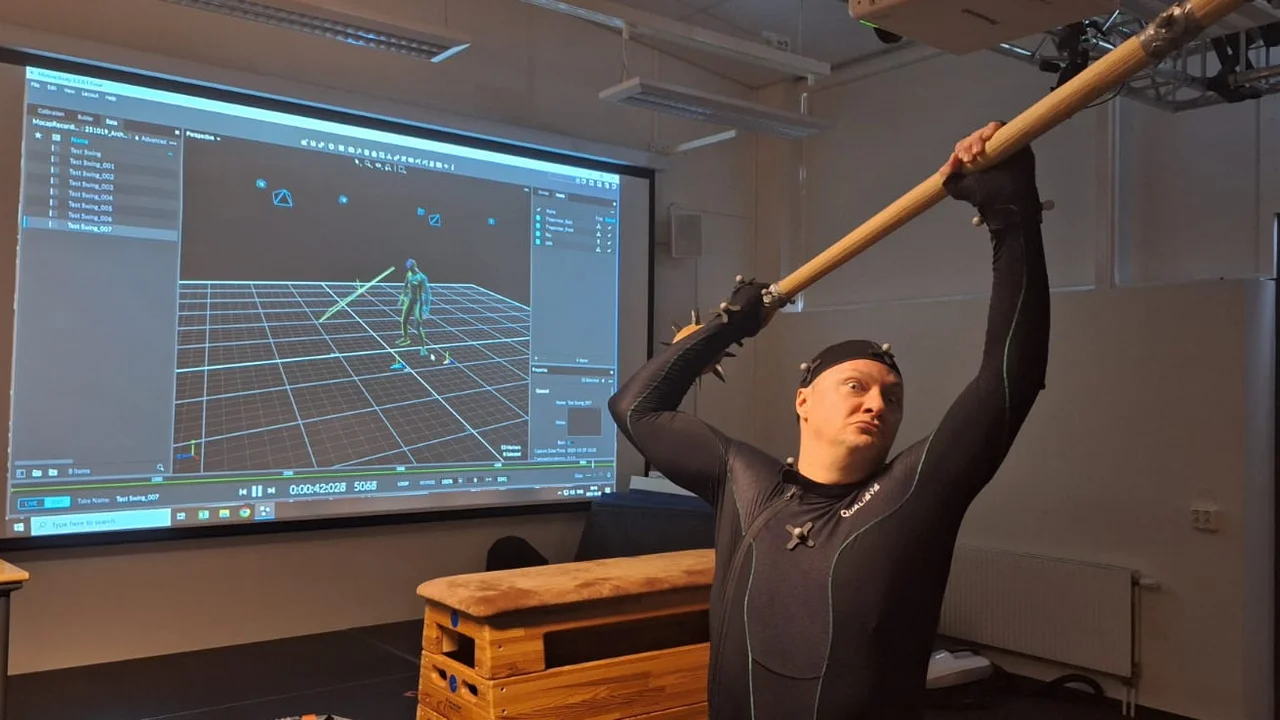
BERLIN — Archaeologists have made significant strides in understanding the injuries found on the skulls of soldiers from the 1361 Battle of Visby. Through detailed analysis and advanced motion-capture technology, they uncovered evidence that indicates medieval warriors worked collaboratively to subdue their foes and then dealt a lethal blow using a spiked club.
Patrick Randolph-Quinney, a biological anthropologist at Uppsala University in Sweden, emphasized the complexity of medieval combat during a presentation on August 5 at the 25th European Paleopathology Association meeting in Berlin. While this research has not yet undergone peer review, the findings are compelling.
Randolph-Quinney and his team analyzed bones from a mass grave tied to the Battle of Visby, fought in July 1361 on Gotland, Sweden. The Danish king Valdemar IV aimed to seize the prosperous city of Visby, part of the wealthy Hanseatic League. Although outnumbered, Valdemar's forces triumphed, leaving approximately 1,800 Gotlandic casualties compared to around 300 Danish dead.
The fallen soldiers were buried in their armor shortly after the battle, their remains laid to rest in a mass grave near the conflict site. First uncovered in the early 20th century, the site has long puzzled researchers about the nuances of medieval warfare.
Randolph-Quinney noted that historical accounts often paint the defenders of Visby as poorly trained youths and elderly men, lacking any real chance against the Danish military. This narrative is now being challenged.
To gain deeper insights into the lives and deaths of these soldiers, Randolph-Quinney initiated a collaborative project incorporating experts from various fields, including conflict archaeology and medieval weaponry. “Understanding the capabilities of individuals in those high-stress situations is crucial,” he remarked.
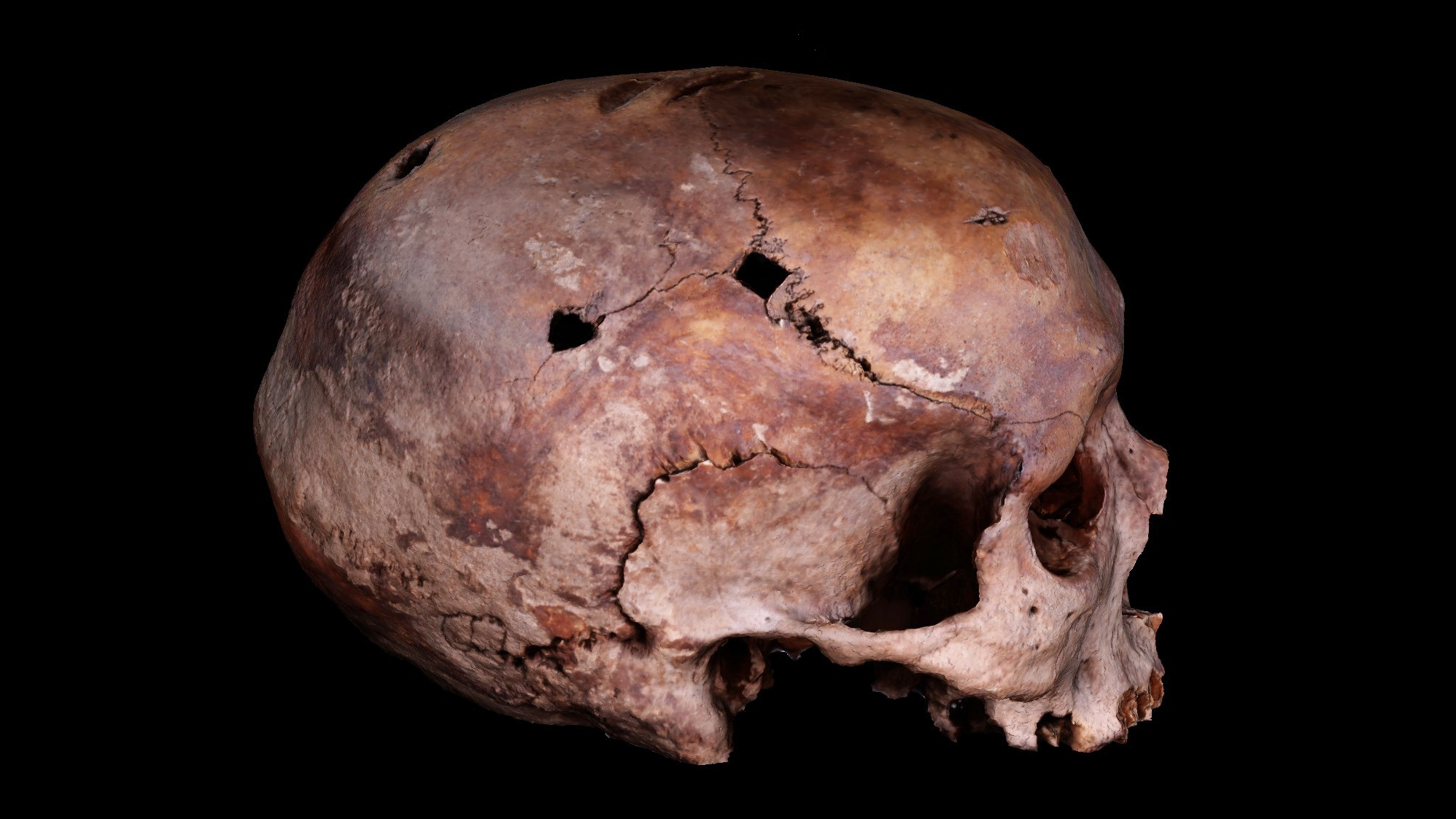
The team aimed to clarify the origins of the square-shaped holes observed in several skulls. Previous archaeologists speculated that these injuries resulted from a lance or arrow, but graduate student Ronja Bågling hypothesized that a spiked club may have delivered the blows. To test this, they employed replica weapons combined with motion-capture methodologies.
They constructed a model human body from cow bones encased in ballistic gelatine designed to mimic human muscle, then outfitted researcher Ray Whitcher in a motion-capture suit. Whitcher was instructed to enact "full-on berserker mode" against the gel-covered structure.
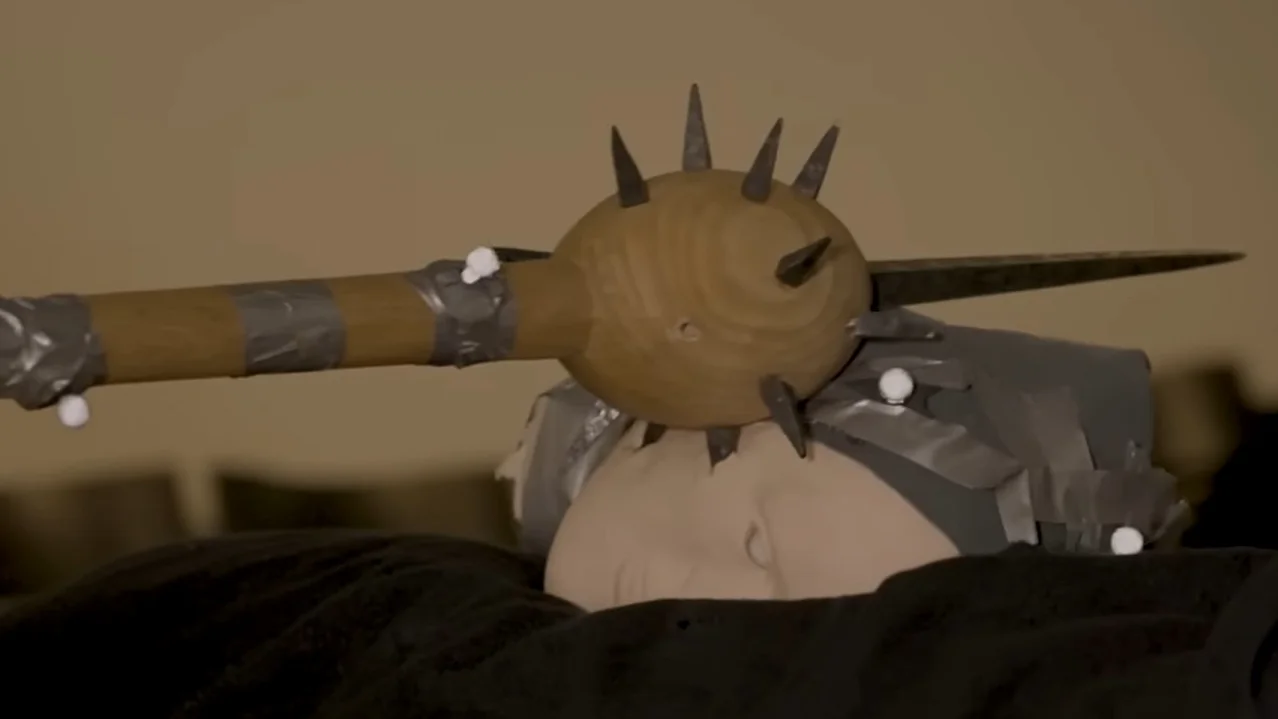
The experiments revealed that neither crossbow nor axe inflicted damage similar to what was seen in the Visby skeletons. However, the spiked club caused extensive destruction, aligning perfectly with the injuries found in the graves. Some skeletons bore multiple traumas, allowing the researchers to deduce the order of the attacks and the weapons involved. In one case, a skull exhibited evidence of an axe wound obstructed by a subsequent blow from a spiked club, indicative of coordinated assaults.
Randolph-Quinney explained, “You see groups working together; one person engages from the front while others strike from behind, thus setting up the final blow by a dedicated attacker wielding the spiked club.”
The findings thus far suggest that the medieval militias were not merely chaotic rabble but highly skilled in strategic combat techniques. As Jo Buckberry, a biological anthropologist at the University of Bradford involved in the study, noted, “While they may not have served in a standing army, they certainly had training.” Randolph-Quinney added that this research challenges longstanding assumptions about weapon use, fighting styles, and fatal wounds in medieval context.
For Randolph-Quinney, one gratifying aspect of the project is the interdisciplinary collaboration that enriches understanding of medieval conflict. “It’s serious science, but we’ve had tremendous enjoyment throughout this journey,” he concluded.
Discussion
Sign in to join the discussion.