Researchers uncover genetic and epigenetic traits that may explain why Jonathan, the world's oldest tortoise, has lived for 194 years.
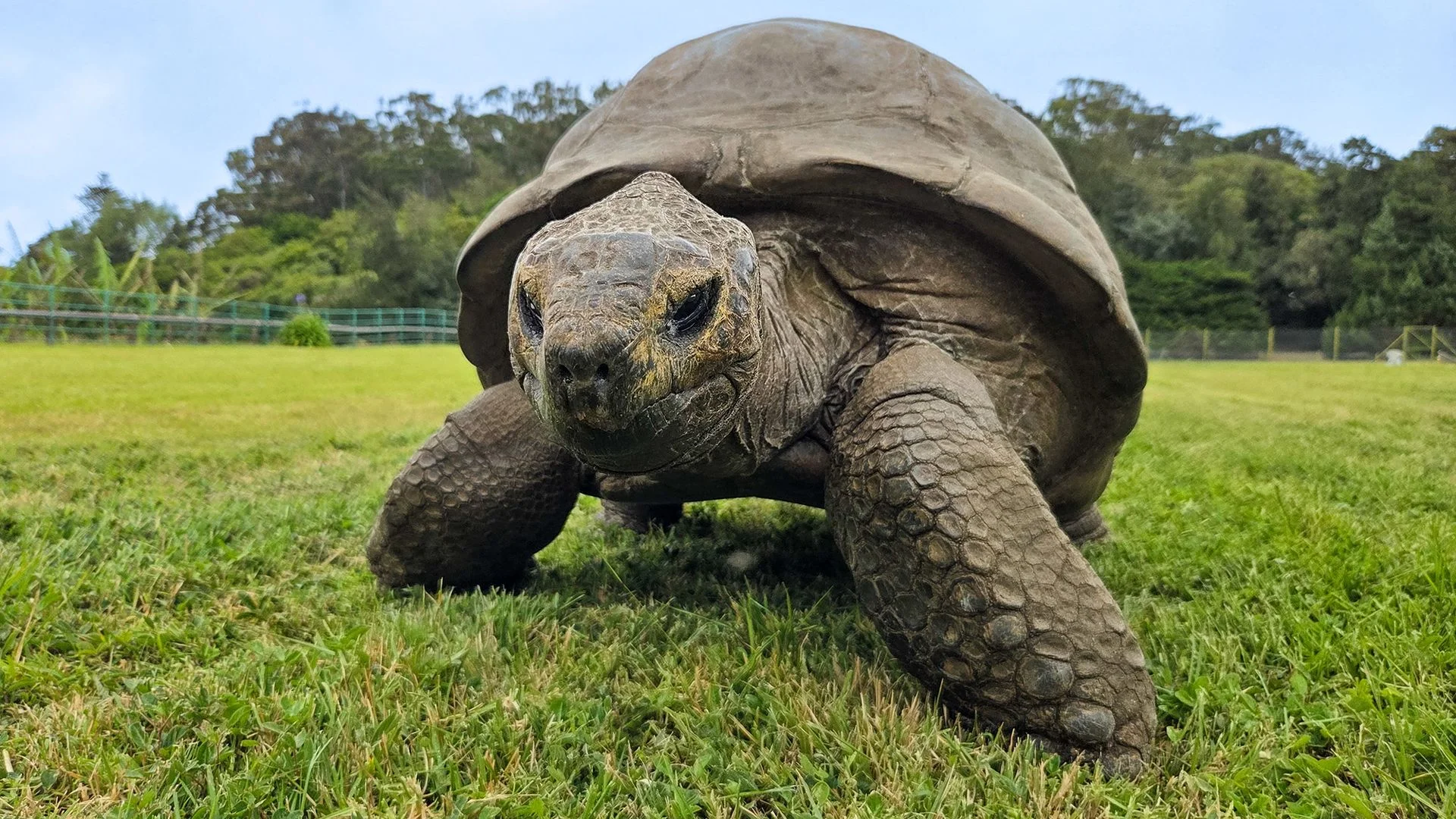
The Aldabra giant tortoise, Jonathan, is celebrated as the oldest living land animal, reaching an impressive age of 194 years on the remote island of St. Helena. Recently, scientists have revealed intriguing genetic and epigenetic factors that could shed light on his extraordinary lifespan, which far surpasses the typical life expectancy for his species. Uncovering the biological underpinnings of such longevity not only piques scientific curiosity but also raises questions about aging more generally in various species, including humans.
A study published in the journal Science Advances details how researchers focused on both Jonathan's genes and the epigenetic markers that control gene expression. These markers are pivotal for regulating the activation of specific genes, and the findings suggest Jonathan's genes related to mitochondrial function are notably well-preserved. The implications of this research stretch far beyond a single tortoise; they offer insights into the biological mechanisms that govern aging and longevity.
Insights into Jonathan's Extended Lifespan
Research efforts commenced nearly ten years ago when veterinarian Joe Hollins was assigned to care for Jonathan and sought to collect non-invasive samples for analysis. Due to concerns about infection, blood extraction was off-limits, leading Hollins to use cheek swabs instead. Such precautions highlight the challenges researchers often face when studying rare and vulnerable species. Yet, there was an initial setback: the first tests yielded DNA from bacteria rather than Jonathan's own cells, prompting the need for a second round of sample collection. This encounter underlines how delicate research into long-lived animals can be, where even standard methods may face unexpected hurdles.
Once the more reliable cheek scrapings were obtained, researchers faced further challenges because the isolated DNA was fragmented compared to typical blood samples. The fragmented DNA presented limitations in understanding the full genetic picture. They compensated by referencing a genome from a younger Aldabra tortoise named Tank, initiating genetic comparisons with Lonesome George, a Galápagos tortoise known to have lived past 100 years. It's fascinating how the scientific community often relies on such cooperative efforts to fill gaps in data, which underscores the interconnectedness of wildlife research.
The findings were striking: Jonathan possessed 287 unique gene variants associated with aging pathways, particularly those involved in DNA repair and telomere maintenance. These elements often indicate aging processes that resonate not just within tortoises but potentially reflect similar patterns in humans. You might ask, why should we care about a tortoise's genes? Because, understanding these pathways could unravel the biological mysteries of aging across species, including humans, where longevity is increasingly a focal point of scientific inquiry.
Delving deeper, the scientists examined epigenetic variations, especially focusing on DNA methylation patterns. This analysis is significant because these patterns can correlate with biological age. The team compared Jonathan's methylation profiles to those of both young and aged Aldabra tortoises, revealing more about how aging manifests at a molecular level. The exploration of methylation patterns is critical — they can provide clues about how organisms adapt to varied life conditions and pressures.
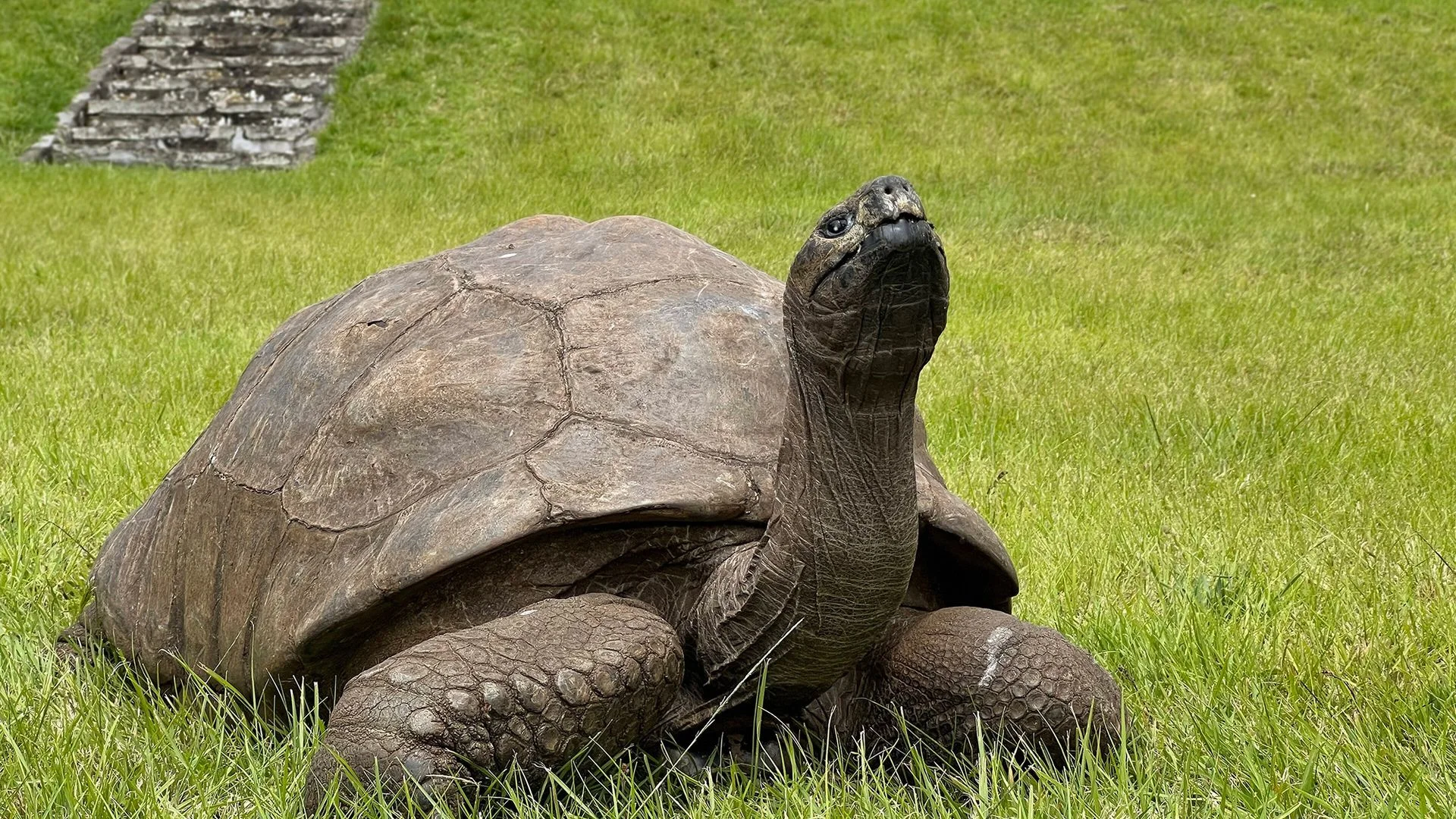
The study noted that older tortoises exhibited greater disorder in their methylation patterns, a phenomenon termed "methylation entropy," indicating random genetic changes accrued over time. While Jonathan's overall methylation showed more disorder when compared to younger counterparts, he displayed organized patterns specifically in mitochondrial-related genes—potentially allowing for more consistent gene expression along his extended life. This observation raises a fundamental question: could maintaining a specific order in certain genetic markers be a strategy not only for tortoises but for any species seeking to optimize longevity?
"Maintaining low entropy in mitochondrial genes likely contributes to longevity," stated Stephen Clark, the chief scientist behind the study. His assertion emphasizes the complexity in the relationship between genetics and lifespan. Yet, the study couldn't establish a direct cause-and-effect relationship linking Jonathan's low entropy to his longevity. Such nuances are often the case in biological research; they push us to consider that correlations are not definitive. Clark believes further examinations, particularly involving a blood sample, would enhance understanding of the tortoise’s genetic makeup.
Complete insights into Jonathan’s genome may only be attainable posthumously, according to biologist Vincent Lynch, who did not participate in the research but emphasized the importance of studying various tissues to identify relevant aging mutations. This sentiment illustrates a common theme in biological research — the need to wait for life to reach its natural conclusion before unlocking its most profound secrets. And yet, the pathways opened by Jonathan's study give both caution and hope for future research.
Future Directions in Longevity Research
Lynch also raised questions about the applicability of methylation entropy as a measure of aging patterns due to its inherent unpredictability. Epigenetics is a rapidly changing field, and applying principles from one organism to another often raises significant questions. Regardless, he acknowledged that the data surrounding the genes identified in the study could play a pivotal role in future longevity research. The potential insights could revolutionize our understanding of how aging relates to epigenetics.
To better understand whether the mitochondrial variability observed in Jonathan is typical across species or unique to him, further research is warranted. "Perhaps Jonathan is simply exceptional at aging," Lynch commented, highlighting the need for a broader exploration into the genetics of longevity not just in tortoises but across the animal kingdom. What this means for you, as an observer of scientific advancement, is that the search for the secrets to a longer life has broadened, encouraging a more interdisciplinary approach to studying not only tortoises but other long-lived creatures that have withstood the tests of time.
Implications and Significance
This research extends well beyond its immediate findings about Jonathan. If the mechanisms of aging are indeed similar across species, studying long-lived animals can provide critical insights into human aging. The biological strategies used by Jonathan may eventually lead to breakthroughs in understanding how to counteract aging in more complex organisms. It’s an ambitious leap, but one that holds tangible promise.
As we continue to unpack the intricacies of genetic and epigenetic factors, we may unlock new pathways for medical interventions that can alter our lifespan. You’ll see that the work done on Jonathan not only preserves a chapter in natural history but potentially shapes future therapeutic concepts. Monitoring this trajectory can be as captivating as watching a tortoise traverse a sunlit path on St. Helena.
Discussion
Sign in to join the discussion.