Recent genetic research suggests that the ancestors of today's Indigenous peoples likely arrived in the Americas around 21,000 years ago, refining our understanding of early migration.
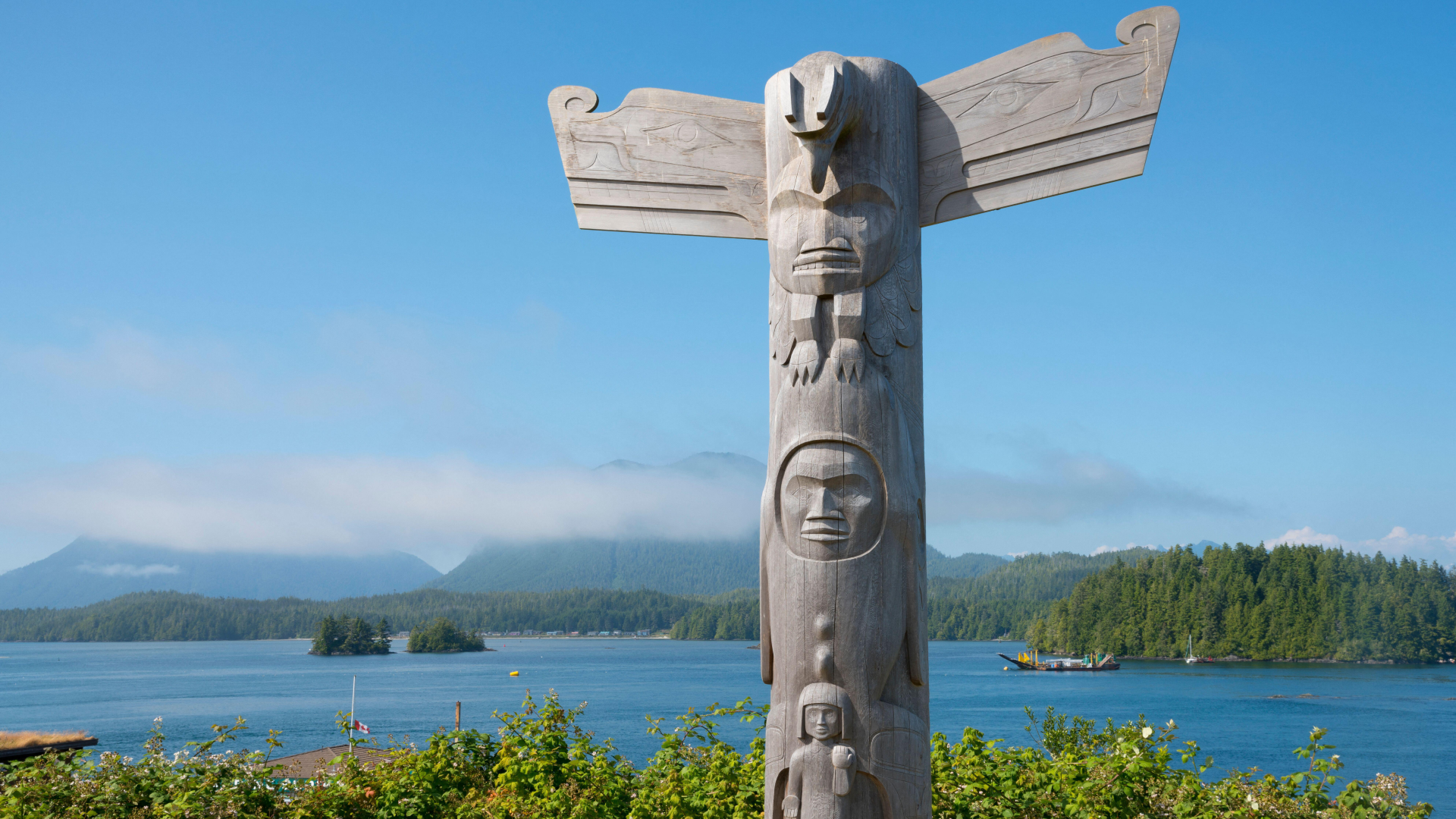
For decades, the timeline of when humans first inhabited the Americas has been a subject of heated debate among archaeologists. A recent study adds clarity to this ongoing discussion, indicating that the forebears of contemporary Indigenous populations likely migrated to North America no earlier than 21,000 years ago. This timing aligns closely with the termination of the Last Glacial Maximum (LGM).
Co-authors Bethany Potter, an archaeologist with the Kansas Geological Survey, and Savannah Hay, a biological anthropologist at the University of Kansas, shared their findings in a study published in the journal Current Opinion in Genetics & Development on September 23. Their research utilized genetic data to probe the three dominant theories concerning the origins of Native Americans: entry into the Americas prior to the LGM (over 25,000 years ago), during the LGM (between 25,000 and 14,000 years ago), and after the LGM, a perspective often referred to as the Clovis First theory.
Evaluating Models of Migration
The authors noted the contentious nature of this subject among anthropologists arises from differences in opinion regarding the validity of early archaeological sites, which impacts the interpretation of migration models. “While we can affirm that humans were in the Americas by around 13,500 years ago, the question of any earlier arrivals remains open,” Potter and Hay remarked in correspondence with Live Science.
The scarcity of genetic evidence tracing the first inhabitants of the Americas complicates matters further. The first full genome from an ancient Indigenous individual, dating back around 4,000 years in Greenland, was only sequenced in 2010. Since then, scientists have published about 250 whole genomes and genome-wide data encompassing around 1,200 ancient Indigenous individuals.
Insights from these genetic analyses suggest that the ancestors of Indigenous peoples emerged from a group residing near Siberia or Beringia around 25,000 years ago. This group then divided, giving rise to distinct lineages: ancient Native Americans, ancient Beringians, and various “ghost” populations. These groups subsequently migrated along the Pacific coast, potentially diverging around 16,000 years ago into what we now recognize as Northern and Southern Native Americans.
Addressing Genetic Gaps
While existing genetic data aligns with archaeological evidence of migration into the Americas at least 14,000 years ago, the need for further genomic evidence remains pressing. “There are significant gaps in our genetic dataset,” Potter and Hay indicated. They highlighted that, notably, no ancient genomes have yet been published from the Great Plains, which could conceal evidence of earlier migrations.
One intriguing example is the human footprints unearthed at White Sands in New Mexico, dated to approximately 23,000 years ago. If accurate, this suggests habitation prior to the LGM, which the Acoma Pueblo people recognize as traces of their ancestors. However, current genetic evidence indicates that this group did not contribute significantly to the genetic lineage of contemporary Indigenous peoples. The researchers posited, “It’s possible we haven’t sampled their descendants' lineages or that their genetic footprint is too small to detect.”
Looking at the broader narrative, there are several plausible scenarios for pre-LGM migrations, but a thorough genetic investigation is essential for proper evaluation. As it stands, the earliest genome analyzed belongs to the Anzick-1 child, whose remains date to 12,800 years ago from Montana. Interpretations from the Anzick child’s DNA suggest a primary migration window beginning no earlier than 21,000 years ago.
Potter and Hay advocated for more expansive geographic research, noting that “increasing our genetic sampling can enhance understanding, but we need to prioritize ethical collaboration with descendant communities.” The challenge of definitively resolving when the first people entered the Americas persists, as no single archaeological or genetic narrative offers a clear answer. However, as new ancient genomic data emerges, the potential exists to refine our comprehension of these early migratory events.
Test your knowledge on the history of the first Americans by taking our First Americans quiz!.
Discussion
Sign in to join the discussion.