Research reveals that larger dog breeds like Great Danes age faster than smaller ones, shedding light on the biological underpinnings of canine longevity.
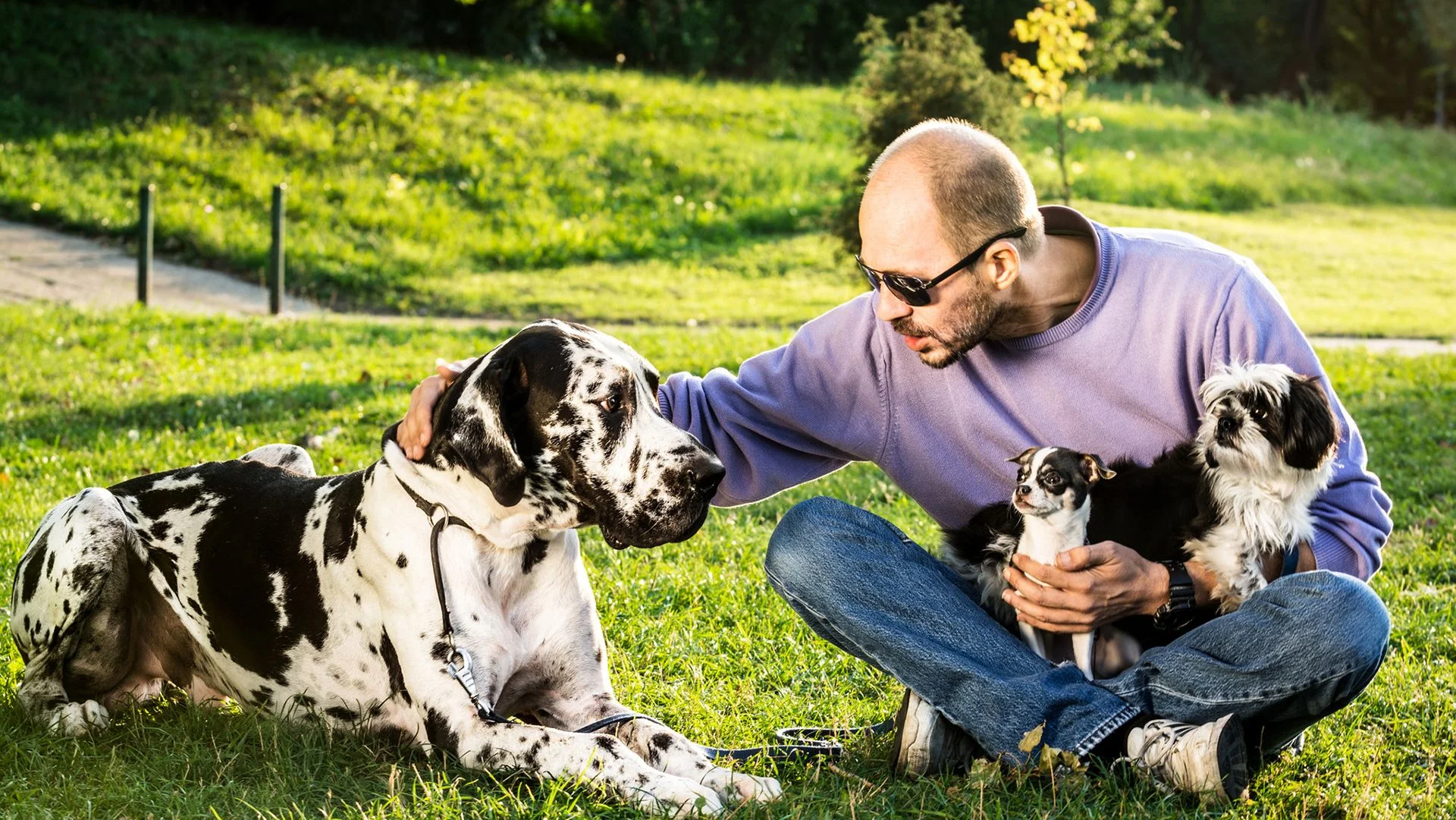
Great Danes and mastiffs typically have a lifespan of under ten years, in stark contrast to Chihuahuas, which can live up to twenty years. Understanding the reason behind this discrepancy in lifespan between large and small dog breeds has long eluded scientists, but a recent study offers valuable insights.
Published on October 8 in the journal Science, the research investigates a chemical code layered atop canine DNA known as the methylome. This code consists of methyl groups that adhere to DNA's foundational units.
As proteins interact with DNA to manifest genetic information into proteins for cellular functions, these methyl groups can inhibit that interaction. This epigenetic marking plays a significant role in regulating gene activity, and the arrangement of these markers evolves as animals grow older. Study co-author Blaise Mariner, a bioinformatician at Arizona State University, explained that various species, including humans, have been monitored to create models of epigenetic aging.
Dogs serve as an excellent model for aging research largely due to their owner-reported health, dietary habits, and lifestyle patterns. Leveraging data from 894 dogs involved in the long-term Dog Aging Project conducted at the University of Washington, Mariner and colleagues created epigenetic clocks based on DNA from blood samples collected from these canines.
Their analysis provided insights into the aging of immune cells, which are crucial for assessing overall biological aging. Study co-author Noah Snyder-Mackler, a genomicist with Arizona State University, noted that the variation in DNA methylation directly correlates with biological age. The researchers observed that dogs exhibiting older-than-expected epigenetic markers faced a heightened risk of mortality from various causes. Notably, they found that larger dogs age at a quicker rate compared to their smaller counterparts.
"Using our biomarker, this epigenetic clock, big dogs were aging a little bit faster per year of life than small dogs," Snyder-Mackler indicated.
A significant epigenetic alteration associated with larger breed sizes involves a reduction in methyl groups within sequences known as transposable elements, also referred to as "jumping genes". While methyl groups typically serve to inhibit the activity of these elements, loss of methylation can lead to their unchecked movement, potentially causing damage to other genes and triggering inflammation, which correlates with aging. This suggests that excessive activity from "jumping genes" may be a factor in why larger dogs experience more accelerated aging processes.
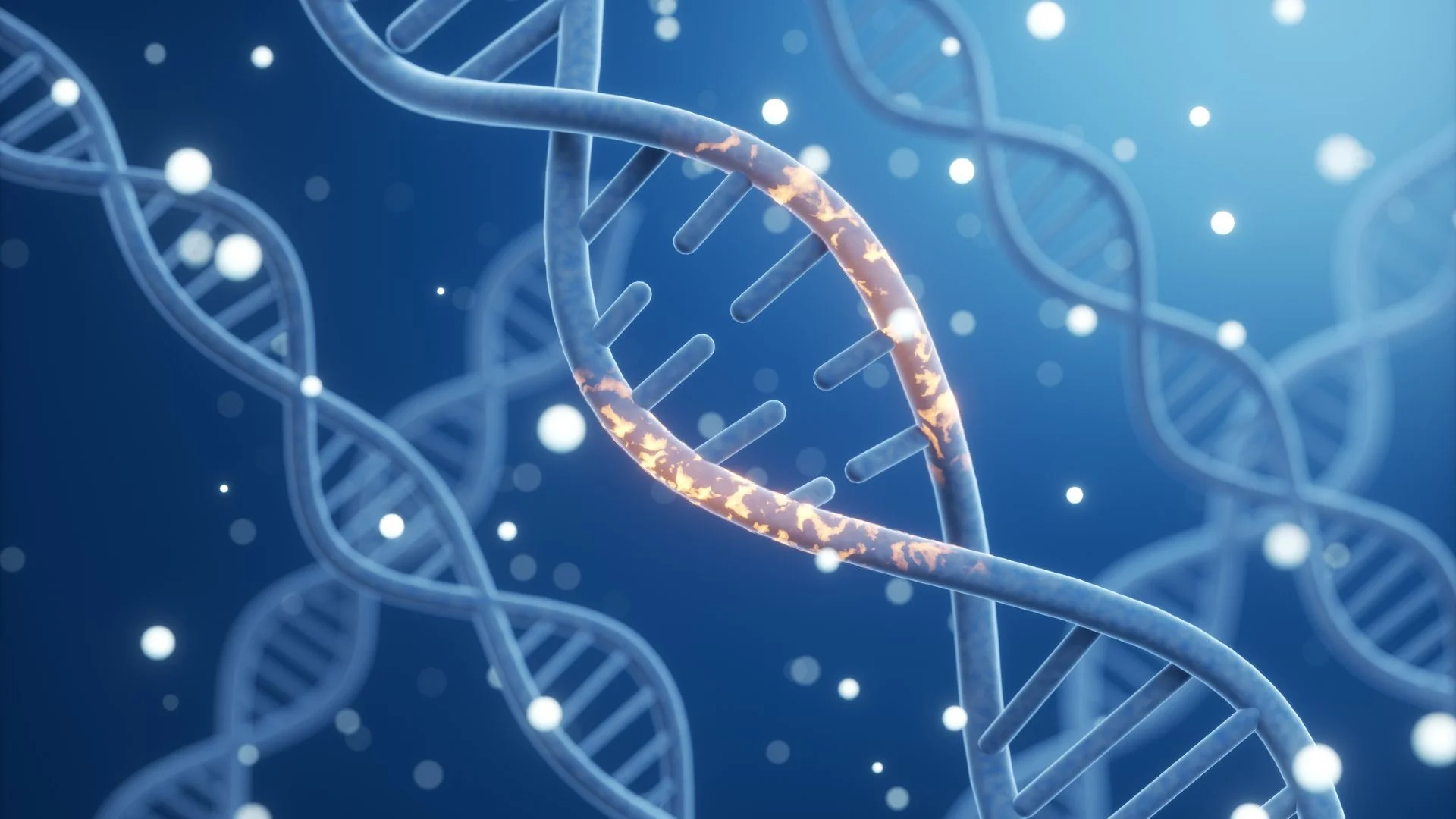
Further examination revealed that as dogs age, certain genomic regions lose chemical tagging, while others gain additional tags. Interestingly, the immune cells in aging dogs display a trend towards greater uniformity, or a "loss of cell identity", which Mariner described as a significant theory about aging in general.
Specialized immune cells, which serve targeted functions like cancer prevention and viral defense, may become less effective as they converge in functionality. There’s an implication that selective breeding practices aimed at increasing size may come with a trade-off, where quick growth detracts from immune resilience and overall health integrity.
While this study provides a glimpse into why larger dog breeds may age differently, researchers plan to enhance their model as the Dog Aging Project enlists more participants for ongoing observation. Snyder-Mackler expressed interest in predicting health concerns related to aging, aiming for tools that enhance dog owners' awareness of their pets' needs.
The findings from this study not only advance our understanding of canine aging but also carry potential implications for human health. As dogs share living environments and even diseases with their owners, the research allows for translational insights. Snyder-Mackler emphasized the importance of studying environmental impacts on health, positing that lessons learned from dogs could provide critical information about aging in humans as well.
With a shared affection for dogs, this research opens up opportunities for gathering substantial data that may ultimately benefit both species.
Discussion
Sign in to join the discussion.