A 700-year-old Inuit figurine suggests earlier Indigenous encounters with Europeans, predating Columbus and reflecting cross-cultural interactions.
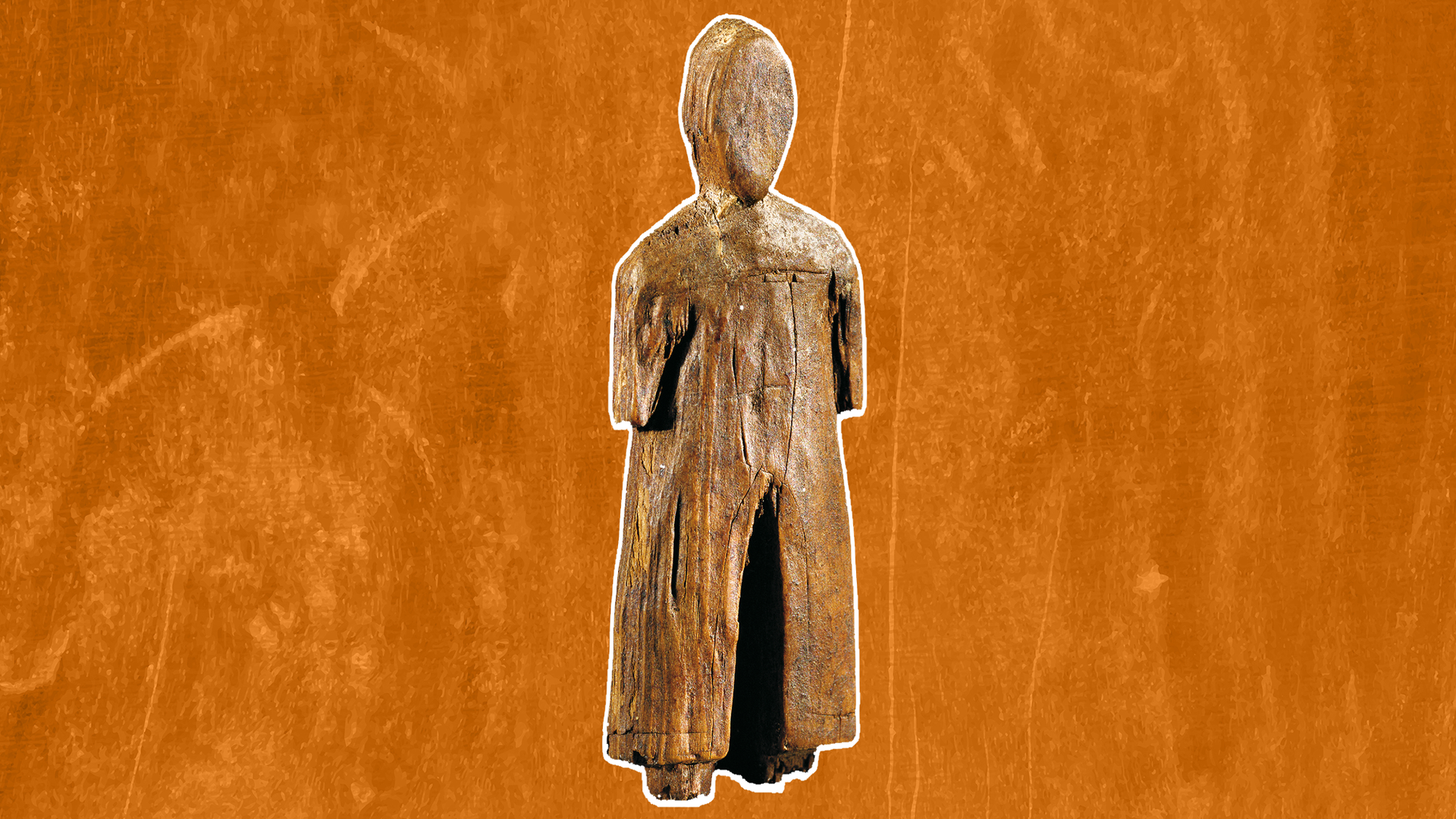
The discovery of a 700-year-old Inuit figurine on Baffin Island sheds light on early interactions between Indigenous peoples and Europeans, predating Columbus' arrival by more than a century. Found in 1977, this driftwood carving stands at just 2.1 inches (5.4 centimeters) and portrays an individual adorned in European-style clothing, complete with a cross on their chest, hinting at the presence of Norse explorers.
Significance of the Carving
Dating back to approximately A.D. 1350, this figurine is the earliest known representation of a European in the Western Hemisphere. Its unique features, including a featureless face and short arms typical of 14th-century Inuit artistry, starkly contrast with the representation of a non-Inuit figure, suggesting a significant cultural observation by the carver. The choice to depict a European figure showcases an acute awareness of—and response to—external influences. This isn't merely a decorative artifact; rather, it embodies early perspectives toward European newcomers, positioning the Inuit as active participants in shaping their own history rather than passive recipients of foreign influence.
Context of Norse Exploration
This figure may commemorate the encounters between the Inuit ancestors, known as the Thule, and Norse adventurers from Greenland. The Norse sagas reference a land named "Helluland," believed to correspond to Baffin Island, which was visited by Leif Eriksson in the early 11th century. Indeed, Norwegian settlers had established a brief presence in Newfoundland at sites like l'Anse aux Meadows, where archaeological evidence of their activity, including remnants of ironworking and wooden structures, has been uncovered. These expeditions weren't just exploratory; they were part of a broader narrative of Viking exploration and contact that spread across the North Atlantic. This context complicates the history of contact: Norse voyages were not isolated incidents, but part of a larger tapestry of exploration that would later include other European nations.
Trade and Cultural Exchange
Trade dynamics likely facilitated multiple journeys between the Norse and Inuit civilizations, where the Norse exchanged metal and fabric goods. Artefacts sourced from European origins have been identified in Inuit habitats, suggesting a network of trade that may have enriched both societies. Evidence points to these exchanges acting as conduits not only for goods but for ideas and cultural practices. The Inuit adopted items such as iron tools, a significant improvement over their existing technology, and adapted them to fit their needs. However, these interactions waned as the Norse retreated, possibly due to Indigenous resistance to their expanding presence and the geographic challenges of sustained contact. It's interesting to think about what might have happened had these exchanges continued uninterrupted—how both cultures might have further influenced each other.
Implications for Historical Understanding
This figurine holds immense cultural value as it predates sustained European contact by centuries. It serves as vital evidence of Indigenous perspectives regarding early European visitors, revealing which attributes of the Norse were distinctive enough to be artistically represented. The carving encapsulates a moment in history when cultural exchanges were still emerging, allowing us to re-examine the narratives surrounding early contact in the Americas. What this means for you, whether you're a historian, educator, or simply curious, is that this artifact challenges long-held beliefs about the nature of interactions between Indigenous peoples and Europeans. Far from merely one-sided narratives, these exchanges were more dynamic, suggesting a level of agency among the Inuit in defining their responses to incoming cultures.
Future Outlook: Reinterpreting History
As archaeological techniques evolve and more artifacts are unearthed, the story surrounding this figurine could take on new layers. We're at a point where the conversation around Indigenous history is growing, and with artifacts like this carving, the narrative can shift to include more voices and perspectives that had previously been marginalized. This ongoing scholarly reassessment suggests a promising trend: the potential rewriting of history from an Indigenous viewpoint. As researchers dig deeper, the implications of Indigenous ingenuity and resilience can reshape our understanding of pre-Columbian America.
To explore more intriguing archaeological revelations, browse through our Astonishing Artifacts archives.
Discussion
Sign in to join the discussion.