Recent studies estimate that pre-Columbian Indigenous populations in the Americas significantly varied, with implications for understanding their historical impact.
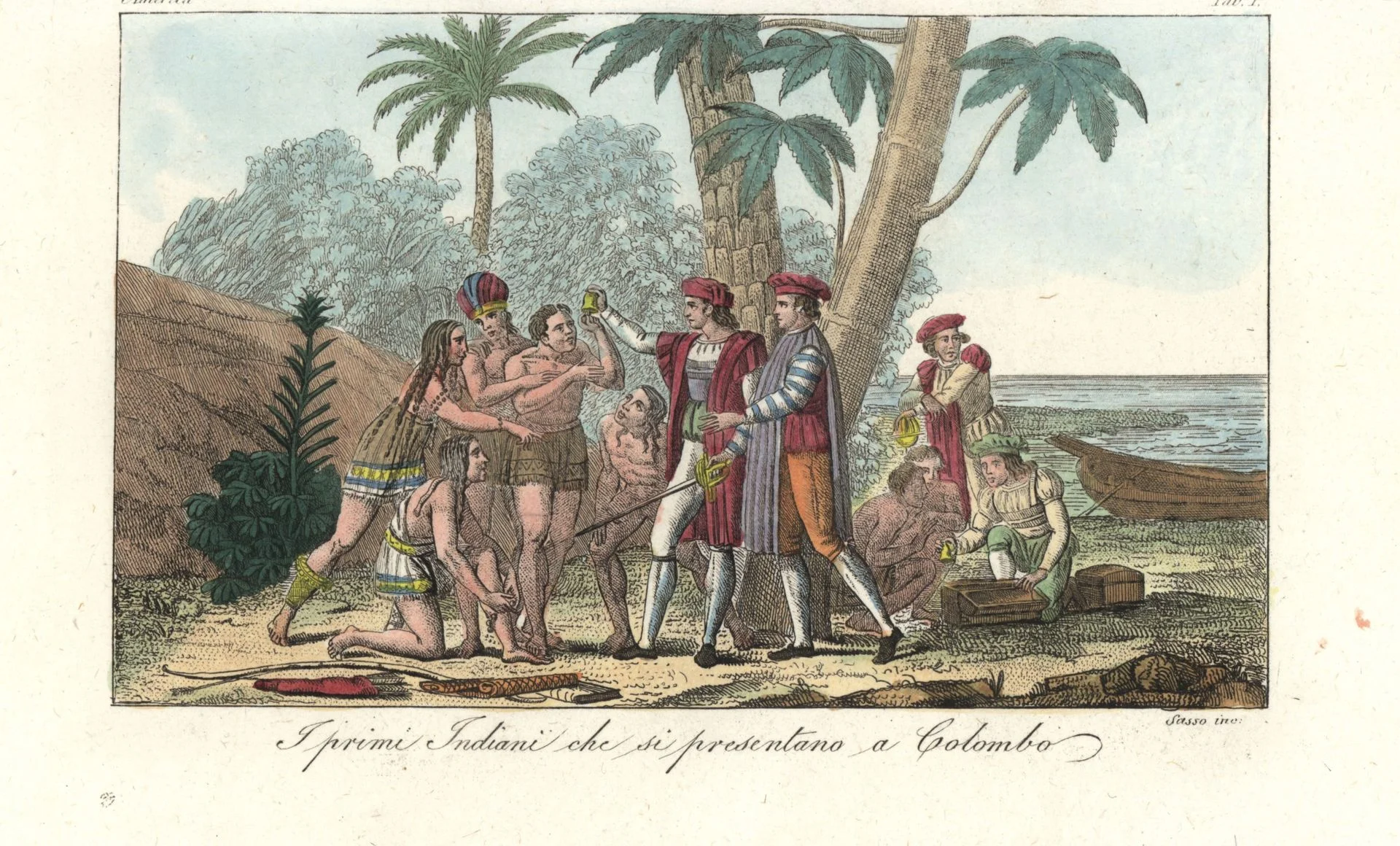
When Christopher Columbus arrived on the Caribbean island of San Salvador on October 12, 1492, he encountered thriving Indigenous populations, including the Lucayans. His diary records encounters with "great multitudes of men," who engaged in trade and shared details about neighboring groups. However, within a few decades of this encounter, the native population experienced catastrophic declines due to a combination of disease, warfare, and enslavement, often referred to as the "Great Dying." The demographic toll transformed the make-up of the Americas and has fueled ongoing debates about the number of Indigenous peoples present at the time of European contact.
Historical Population Estimates
Efforts to estimate the pre-Columbian population of the Americas have produced a bewildering range of figures, from as few as 1 million to an astonishing 112 million. The dramatic variance underscores the challenges historians and anthropologists face due to insufficient historical records, archaeological findings, and the complex dynamics of land use.
One of the earliest influential attempts to quantify the Indigenous population came from anthropologist Henry Dobyns, whose 1983 book posited a total of approximately 112 million, utilizing historical data and ecological capacity. However, Dobyns’ methods, which assumed a filled landscape and widespread disease impact, faced criticism when more nuanced archaeological investigations revealed varied settlement patterns across the Americas.
More refined demographic models emerged during the 1970s and 1980s, focusing on regional populations based on quantitative archaeological data — such as the distribution of pottery shards, sizes of habitation areas, and artifact density. By 2019, a study compiling 129 estimates indicated a hemisphere-wide Indigenous population of about 60.5 million in 1492. This study categorized the Americas into seven distinct regions and significantly revised projections for North America, estimating its population to be only between 3 million to 6 million, a stark contrast to Dobyns’ figures.
A Regional Perspective from North America
When drilling down into North American demographics specifically, estimates of Indigenous populations revealed both diversity and complexity. For instance, a 2010 study focused on eastern North America determined that populations ranged between 2.8 million and 5.7 million, settling on a "best estimate" of 3.8 million right before European contact. A notable contribution to the field came from Robert Kelly, who suggested methodologies using standardized measures across different regions to refine estimates.
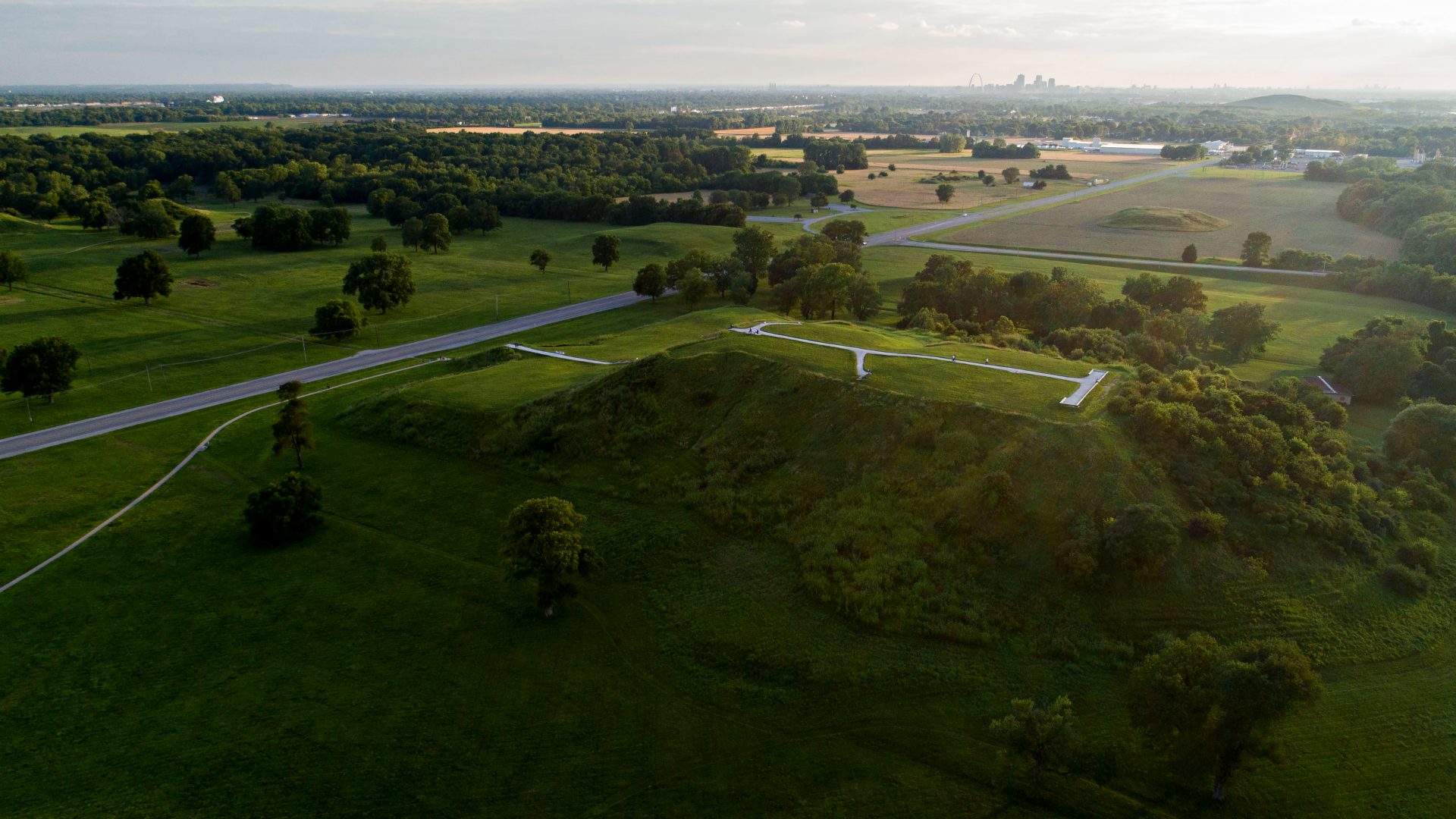
Researchers increasingly turned to carbon dating to assess population trends. For example, a comprehensive analysis of carbon-14 dating from archaeological sites across North America, utilizing data from the Canadian Archaeological Radiocarbon Database (CARD), indicated that the population peaked around A.D. 1150 before entering a gradual decline toward 1492, possibly influenced by diseases associated with denser settlements.
Methodological Approaches
The research community is increasingly leveraging advanced methodologies to ascertain population estimates, such as analyzing spatial data of archaeological sites or employing radiocarbon dating to uncover shifts in population dynamics over centuries. In a 2025 study, researchers discovered that carbon-dating data revealed more about Indigenous populations than previously understood, allowing for a more thorough reconstruction of life pre-European contact.
This research expanded the understanding that the Indigenous population of North America likely did not merely peak around 1500; evidence suggests a slight uptick even before this date. Researchers have hypothesized that earlier migration waves contributed to a more complex demographic picture than many earlier models accounted for, leading to growing estimates of Indigenous communities by 1492.
Conclusions and Implications
Insights into pre-Columbian populations hold significant implications not only for historical narratives but also for contemporary discussions around reconciliation and recognition of Indigenous rights. Understanding that the Americas were home to prosperous civilizations long before European contact is critical for contextualizing their historical legacies.
A pressing challenge remains the precise quantification of population figures in the wake of ongoing archaeological work. Experts remain cautiously optimistic about the potential for a more comprehensive understanding of Indigenous demographics as more data becomes available. However, they acknowledge that it might take considerable time and effort to effectively piece together the historical puzzle.
As Milner poignantly stated, “North America was not an empty continent when the Europeans arrived.” Recognition of the sophisticated societies that thrived before European intervention enriches our understanding of history and informs discussions about the ongoing implications of that history today.
Discussion
Sign in to join the discussion.