Archaeologists have discovered a mass grave in Austria containing the remains of young men likely killed in a Roman-era conflict, raising questions about their identities.
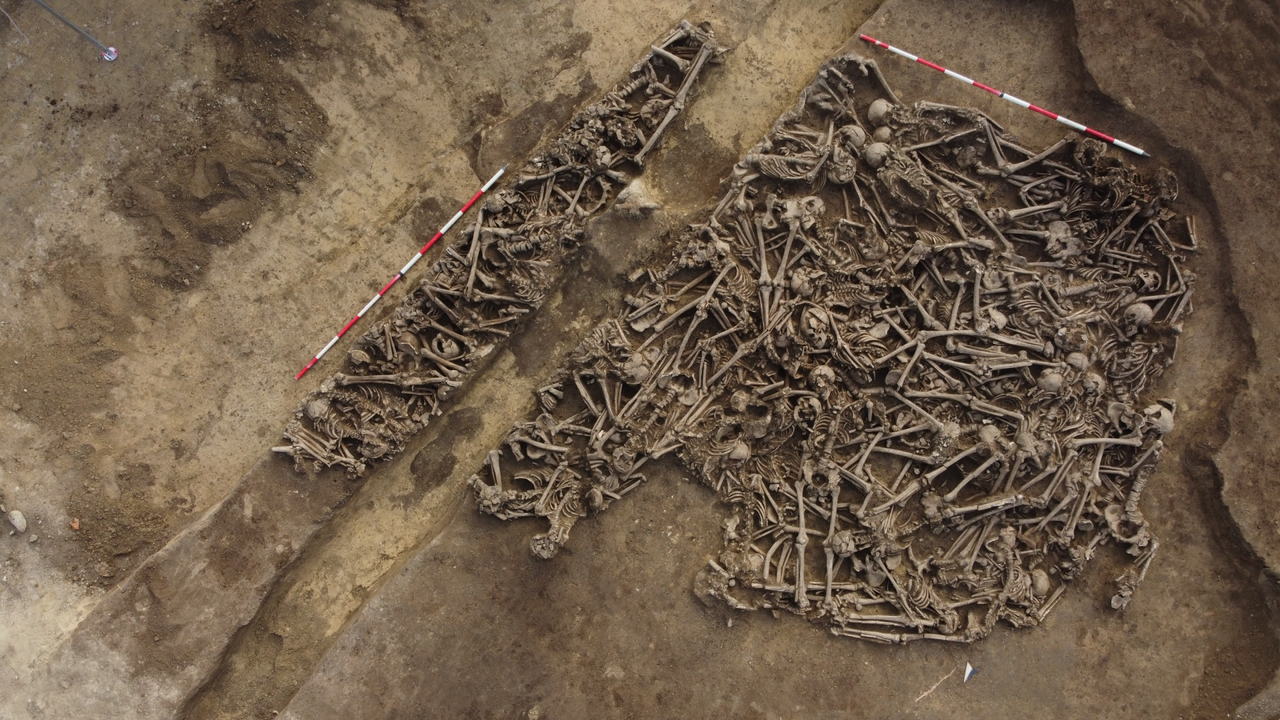
In a significant archaeological finding, a mass grave unearthed beneath a soccer field near Vienna reveals the remains of at least 129 young men from the Roman Empire, many with severe injuries likely inflicted during a conflict. Excavated in 2024, the grave is dated to the first or second centuries A.D., and analysis suggests these individuals were casualties of warfare. This discovery not only deepens our understanding of ancient Roman military tactics but also challenges existing narratives about historical conflicts in the region.
Context of the Discovery
The site, identified as Hasenleitengasse, lies in what was once the Roman settlement of Vindobona, an important garrison town at the fringes of the empire. This settlement played a critical role in the Roman military's attempts to manage tribes and control territories beyond their borders. These young men, aged between 18 and 35, represent a demographic that would have been at the forefront of military engagements during a tumultuous period in Roman history.
One detail that stands out is the absence of traditional burial goods typically found in graves from the period. Graves from Roman times often contained artifacts such as weapons, pottery, or personal items intended to accompany the deceased in the afterlife. The sparse findings in this grave raise questions about socio-political circumstances surrounding the conflict these soldiers faced. Were they hastily buried due to the chaos of battle? Or were they perhaps seen as less deserving of traditional burial rites due to the nature of their deaths?
Insights from the Bioarchaeological Analysis
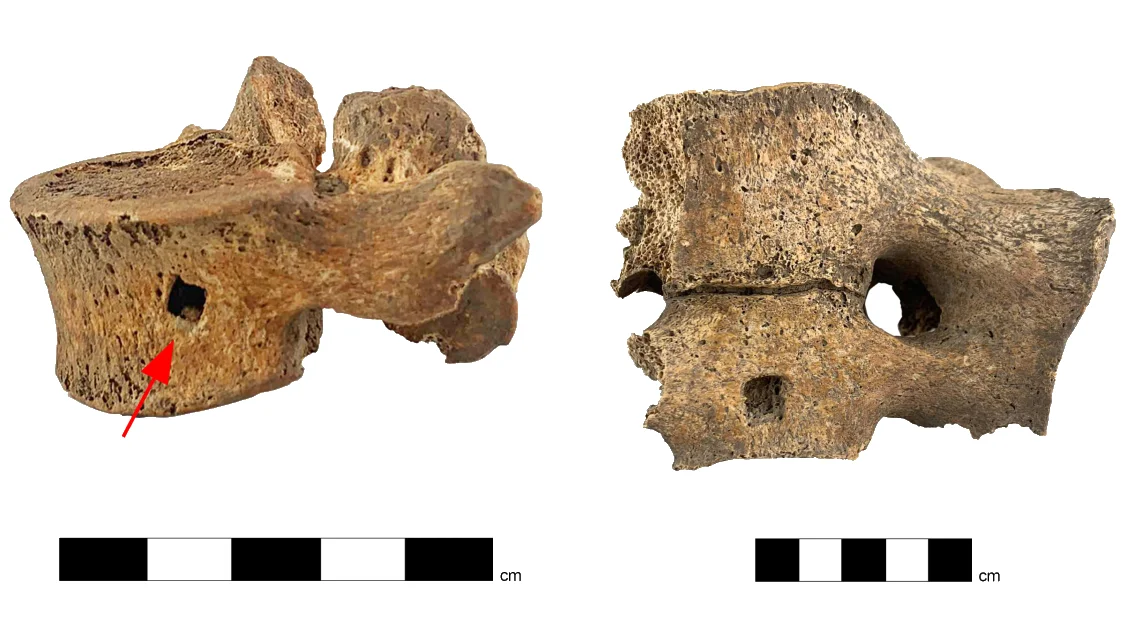
Sheridan Strang, a bioarchaeologist with Novetus, shared insights on the skeletons during a presentation at the 25th European Paleopathology Association meeting held on August 6. Her research confirms initial suspicions that the skeletal remains represent those of soldiers killed in battle, although the specifics of the event remain elusive. The injuries observed in over two-thirds of the individuals indicate that these men faced a violent end. Strang noted the presence of sharp trauma from weapons such as swords and daggers, primarily around their lower bodies. This detail alone adds a grim layer to our understanding of how warfare was conducted at the time.
What's particularly interesting is the notable concentration of projectile wounds in the vulnerable groin area. The analysis suggests a tactical method of attack where an assailant on horseback might have targeted gaps in their opponent's armor using throwing lances. Strang elaborated on a specific case where the lance head remained embedded in the pelvis of one skeleton, underscoring a degree of precision in the injuries that points to experience and knowledge of the human anatomy on the part of the attackers.
This mass grave serves as a vital site for understanding the deployment of projectile weaponry during this period. Patrick Randolph-Quinney, a biological anthropologist at Uppsala University, commented that the focused trauma in such vulnerable areas suggests not only a lack of protective gear but also a fierce understanding of anatomy by the attackers. Such insights challenge preconceived notions about the evolution of military technology in this period and how combat engaged strategies evolved over time.
Challenges of Historical Interpretation
Despite these insights, there's a significant hurdle in piecing together the specific historical context of this mass grave. The absence of historical documentation regarding a battle in this locality poses a challenge for researchers. Strang expressed uncertainty about whether the conflict involved Roman soldiers, the Marcomanni tribe, or perhaps another Germanic group. In this instance, the silence of historical records creates a gap. Without explicit accounts of battles, it's difficult to integrate this archaeological evidence into a broader understanding of Roman military campaigns.
Preliminary DNA testing on 25 of the skeletons confirmed all were chromosomally male, revealing a diverse ancestry among the deceased: some originating from Italy, others from mainland Europe, and others from the eastern Mediterranean and Levant region. This suggests that the Roman military likely deployed troops from various parts of the empire, emphasizing the multi-ethnic composition of Roman military forces.
Future Research Directions
"These individuals may have been Roman military personnel," Strang suggested, contemplating the possibility of a mixed grave containing both Romans and members of other tribes. Ongoing research aims to further explore health, diet, and diseases present among these soldiers, which could yield insights into the overall quality of life and conditions faced by military personnel during this era. What this means for you, the curious reader, is an unfolding narrative that might connect these individuals not just to battles but to broader socio-political dynamics at play in ancient Rome.
The implications of this find go beyond mere numbers or skeletal analysis. It could force historians to re-evaluate long-held assumptions about the stability and military practices of the Roman Empire, especially during periods of conflict. As more research emerges, this site may reveal the complexities of life and death in the Roman military and what it meant to serve in one of history's most powerful empires.
From Augustus to Nero, see how much you know about ancient Rome's famous leaders with our Roman emperor quiz!
Discussion
Sign in to join the discussion.