Brazil's aquifers are depleting rapidly, affecting agriculture and energy supply, and posing risks for global food markets and water availability.
Aquifer Depletion in Brazil: An Emerging Crisis
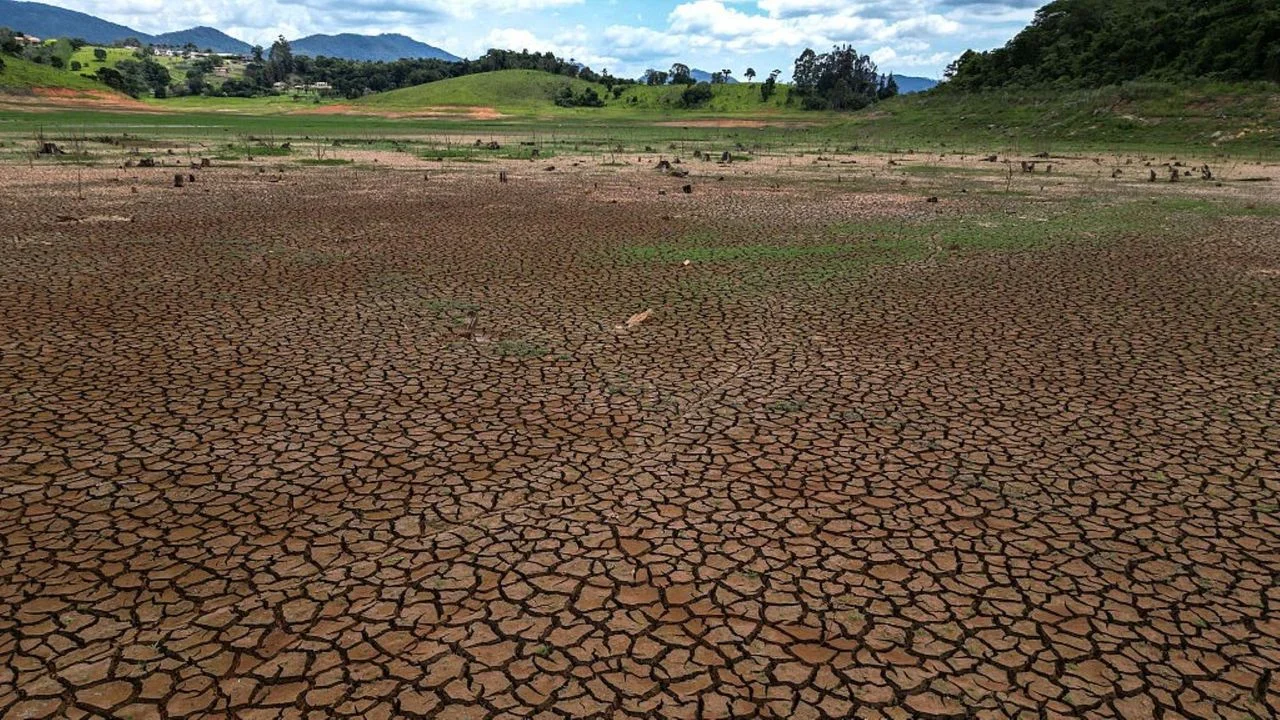
Brazil's vast aquifer systems, responsible for supplying 55% of the nation’s freshwater, are undergoing significant depletion, raising concerns about potential long-term repercussions. Recent studies highlight a worrying trend: many of these groundwater reservoirs, which are essential for agriculture and hydroelectric power, have shrunk dramatically over the past quarter-century due to a combination of drought, climate change, and excessive extraction for human use.
Global Agricultural Impacts
Brazil is a key player in the global agricultural market, producing a substantial portion of the world's soybeans, sugarcane, oranges, and coffee. With depleted aquifers located in prime farming regions, the effects of reduced groundwater availability could ripple through global food supply chains, potentially impacting markets in the U.S. and beyond.
Researchers warn that while agricultural production might not immediately decline, the sustainability of water resources for crop irrigation could become critical. This could force farmers to adapt their practices or switch to less water-intensive crops, which may not meet current market demands. According to Augusto Getirana, a hydrologist at NASA's Goddard Space Flight Center, Brazil's role as a significant agricultural export hub places its water security at a critical juncture with global consequences.
Geographic Disparities and Data Gaps
The study conducted by Getirana and his team utilized artificial intelligence to analyze groundwater data, revealing that severe losses affect specific regions like southeastern Brazil, while areas such as the Amazon Basin show no significant depletion. Brazil's sparse network of groundwater monitoring sites hindered traditional methods of assessment, making AI deployment essential for mapping and understanding groundwater dynamics.
Between 2002 and 2023, the study indicated that aquifer recharge — or the replenishment of these vital water systems — varied widely by location, with some critical areas showing long periods without any recharge. This geographical contrast underlines the complexity of Brazil’s water crisis, making it clear that regional management strategies must be tailored to specific conditions and needs.
Climate Change and Its Role
While the research did not pinpoint exact causes of groundwater depletion, climate change emerges as a significant factor. Prolonged droughts and extreme weather events, particularly during the El Niño phenomenon, have exacerbated water scarcity conditions. Javier Tomasella, an environmental scientist at Brazil's National Institute for Space Research, emphasizes that increasing drought intensity is leading to reduced groundwater recharge and heightened extraction demands from farmers during periods of low rainfall.
There's a troubling synchronicity between climate conditions and agricultural activity; areas with high irrigation demands correspond to significant groundwater losses. The interplay of climate-induced water deficits and human-induced pressures could lead to severe consequences if current trends continue.
Projected Outcomes and Agricultural Adjustments
The immediate future may not see a drastic reduction in the total production of rain-fed crops like soybeans and corn, but shifts in crop types may arise. As farmers adapt to dwindling resources, market viability will dictate crop selection. Crop losses could be particularly pronounced for water-intensive crops like coffee, sugarcane, and oranges if drought conditions worsen over the next two decades.
China, which imports a significant portion of its soybeans from Brazil, could feel the effects of this crisis most acutely, alongside the U.S. and Europe, which depend heavily on Brazilian coffee and oranges. In contrast, beef production might remain stable due to high demand, though it's essential to consider the environmental footprint associated with cattle farming.
Hydropower and Energy Concerns
The implications of depleted aquifers extend beyond agriculture, threatening Brazil’s hydroelectric power generation, which relies on stable river systems fed by groundwater. If water levels drop sufficiently, the country may be forced to pivot to fossil fuels, which would further exacerbate the environmental challenges posed by climate change. With hydropower accounting for more than half of Brazil's energy supply, the stakes are undeniably high.
Short-term risks from groundwater depletion may manifest more in urban drinking water supplies, particularly in large cities like Rio de Janeiro and São Paulo, rather than immediate agricultural fallout. However, the looming question persists: Is this situation the new normal, and what does that bode for Brazil’s future?
Final Thoughts
The situation confronting Brazil's aquifers underscores a critical intersection between environmental sustainability, agricultural resilience, and energy security. Should adverse climate patterns persist, the repercussions will not only affect Brazil but will likely reverberate globally, challenging food systems and water availability on an international scale.
Discussion
Sign in to join the discussion.