Recent excavations in Egypt have uncovered two monumental statues of Ramesses II, highlighting his extensive influence and construction projects in ancient times.
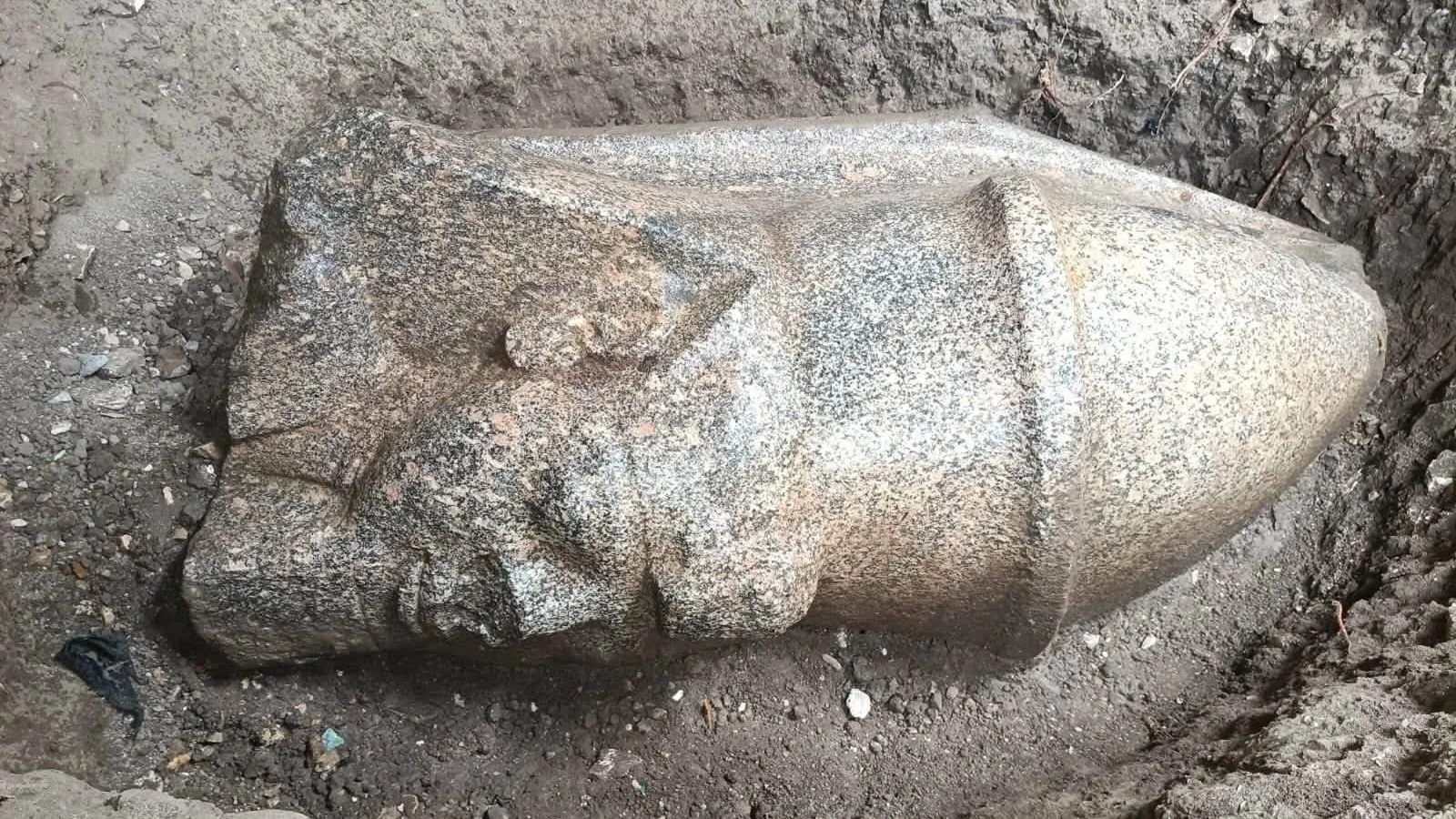
In a remarkable find, a farmer in northern Egypt has uncovered two colossal statues of the pharaoh Ramesses II while working on his land in Behbeit El Hagar. Upon discovering the statues, Khaled el-Shahat promptly informed the Egyptian Ministry of Tourism and Antiquities, which soon dispatched a team for further excavation and analysis.
Ramesses II and His Reign
Ramesses II, who governed from around 1279 to 1213 B.C., is famed for one of the longest reigns in Egyptian history. His rule saw the expansion of Egypt’s borders, reaching as far as modern-day Syria, alongside an ambitious series of construction projects across the empire. His tenure not only marked military conquests but also a flourishing of the arts, culture, and religion, positioning Egypt prominently on the ancient world's map. This recent discovery adds to the existing body of evidence regarding his architectural endeavors in the region, revealing the continued significance of his legacy in Egypt’s archaeological narrative.
Highlights of Ramesses II's reign include the construction of the Ramesseum temple complex, monuments at Abu Simbel, and the famous battle of Kadesh, which he depicted on numerous monuments. These statues, once restored and analyzed, are expected to align with the broader understanding of Ramesses II’s artistic and architectural contributions, further enriching our perspective on his era. What’s intriguing is how each of these artifacts collectively tells us that his vision extended beyond mere physical structures; it aimed to enshrine his divinity and power through monumental expressions.
"Strong Bull" Statues
The larger of the two statues is estimated to have originally stood almost 28 feet (8.5 meters) tall, with most remnants currently consisting of its notably large head, measuring 5.2 feet (1.6 meters). This head features the double crown, symbolizing the unification of Upper and Lower Egypt. Remarkably, an inscription on the back pillar of this statue reveals its Horus name: Hor-Ka-Nakht-Mery-Maat, which translates to "Strong Bull, Beloved of Right, Truth." Joyce Tyldesley, a noted Egyptologist, elaborated on this naming practice in her book about Ramesses II. This naming bears witness to the way Egyptian rulers were heavily tied to the concept of divine kingship, suggesting that their very identity was inextricably linked to their roles as protectors of justice and truth.
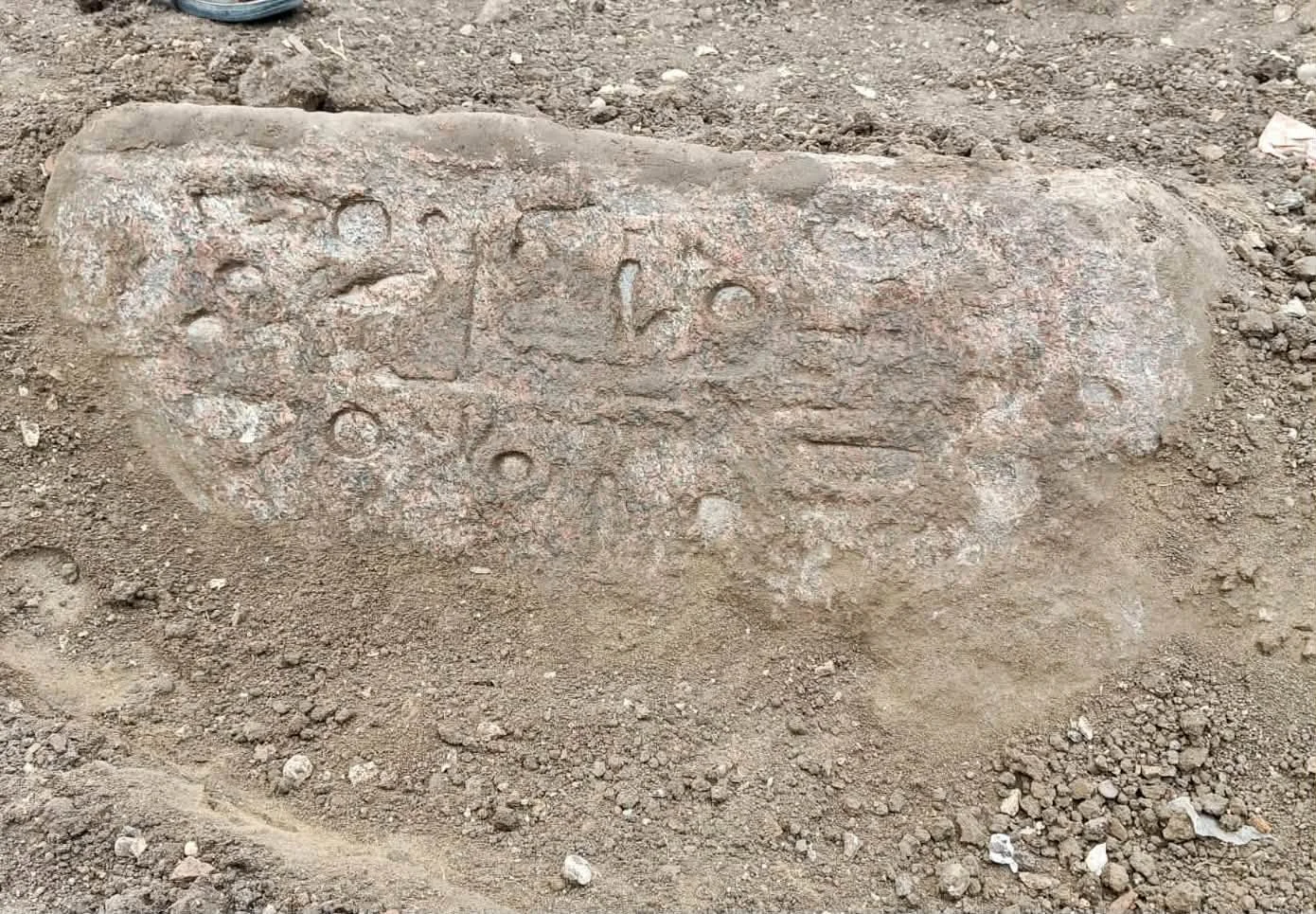
The second statue, standing around 7.9 feet (2.4 meters), also likely represents Ramesses II, adorned with the traditional Nemes headdress that pharaohs wore. Close to this statue sits a pink granite block inscribed with hieroglyphs, confirming the identity of Ramesses II and bestowing upon him titles such as "King of Upper and Lower Egypt" and "Son of Ra," the revered sun deity. The dual representation here is fascinating—not just because it showcases different artistic styles but also reflects the multifaceted image of the pharaoh. According to expert analysis, this suggests a deliberate attempt by Ramesses II to craft a legacy that would resonate through the ages, leveraging sculptural art as a narrative tool.
Historical Context of Previous Finds
This latest excavation further substantiates claims of Ramesses II's significant investment in the Behbeit El Hagar site. Earlier findings documented by Emam and colleagues in 2017 included architectural fragments believed to be connected to the temple dedicated to Isis, suggesting extensive construction activities attributed to Ramesses II. Each piece discovered thus far helps piece together both the physicality and spiritual significance of the site—an area that seems to vibrate with the echoes of rituals, celebrations, and state affairs of ancient Egypt.
Despite urban encroachment threatening the archaeological integrity of the site, Emam advocates for ongoing excavation efforts to clarify the early history of this significant location. His recommendation underscores the importance of archaeology in preserving knowledge about ancient civilizations. If you're working in this space or even tangentially related industries, you'll see how these finds can breathe new life into historical narratives while potentially influencing tourism and cultural scholarship.
As researchers continue to analyze these remarkable findings, they not only illuminate the grandeur of Ramesses II's reign but also reinforce the necessity for ongoing archaeological exploration in Egypt. Each discovery holds the possibility of reshaping our understanding of an era marked by both incredible triumphs and complex social structures.
Implications and Future Outlook
The discovery of these statues carries more weight than just additional artifacts; it poses questions about how we perceive ancient histories and their relevance today. As Egypt works to promote its rich cultural heritage for tourism, these findings could serve both as drivers of interest and centers for scholarly debate. Will they influence policy regarding archaeological preservation? You bet. The fact that these artifacts are found amidst modern development is a stark reminder of the tension between progress and preservation. And this is the part most people overlook.
Moving forward, the implications extend beyond the immediate scholarly community as well. Parallels can be drawn between excavation efforts in Egypt and other regions where ancient histories await rediscovery under modern constructions. What we learn here may guide best practices for excavation and preservation under urban pressures. Each statue, inscription, and fragment works not just as a window into the past, but also as a beacon for future archaeological ethics and practices.
Discussion
Sign in to join the discussion.