Tesla showed a Roadster using SpaceX cold-gas thrusters, but flight time, practicality and the 2028 production target remain uncertain.
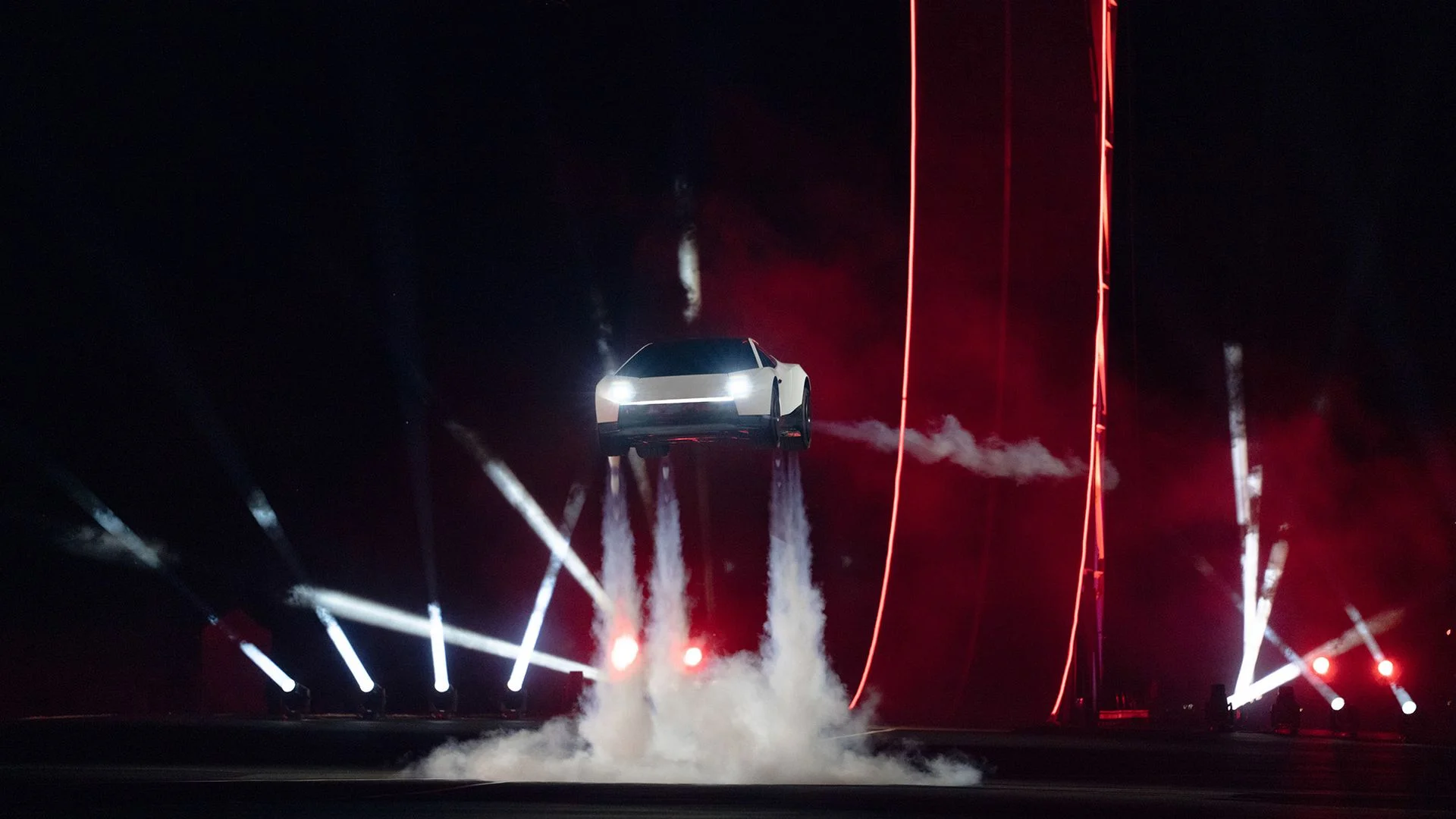
Tesla’s Rocket Roadster makes for a striking demonstration, but its real significance depends on whether the company can turn a brief, controlled flight into a usable vehicle. The demo showed the car airborne; Tesla has yet to say how long it can stay there or how far it can travel.
What Tesla demonstrated
At SpaceX’s rocket testing facility in Texas on Thursday, Oct. 15, a remotely operated second-generation Roadster climbed a curved ramp, launched into the air, completed a 180-degree barrel roll and landed. In a separate stunt, it jumped over parked Teslas. Tesla and SpaceX CEO Elon Musk wrote on X after the event: “Turns out, the future does have flying cars.”
The stunts relied on cold-gas thrusters developed with technology from SpaceX. The system releases high-pressure gas in short bursts to generate thrust. Tesla says it can lift the Roadster briefly and help control it in the air.
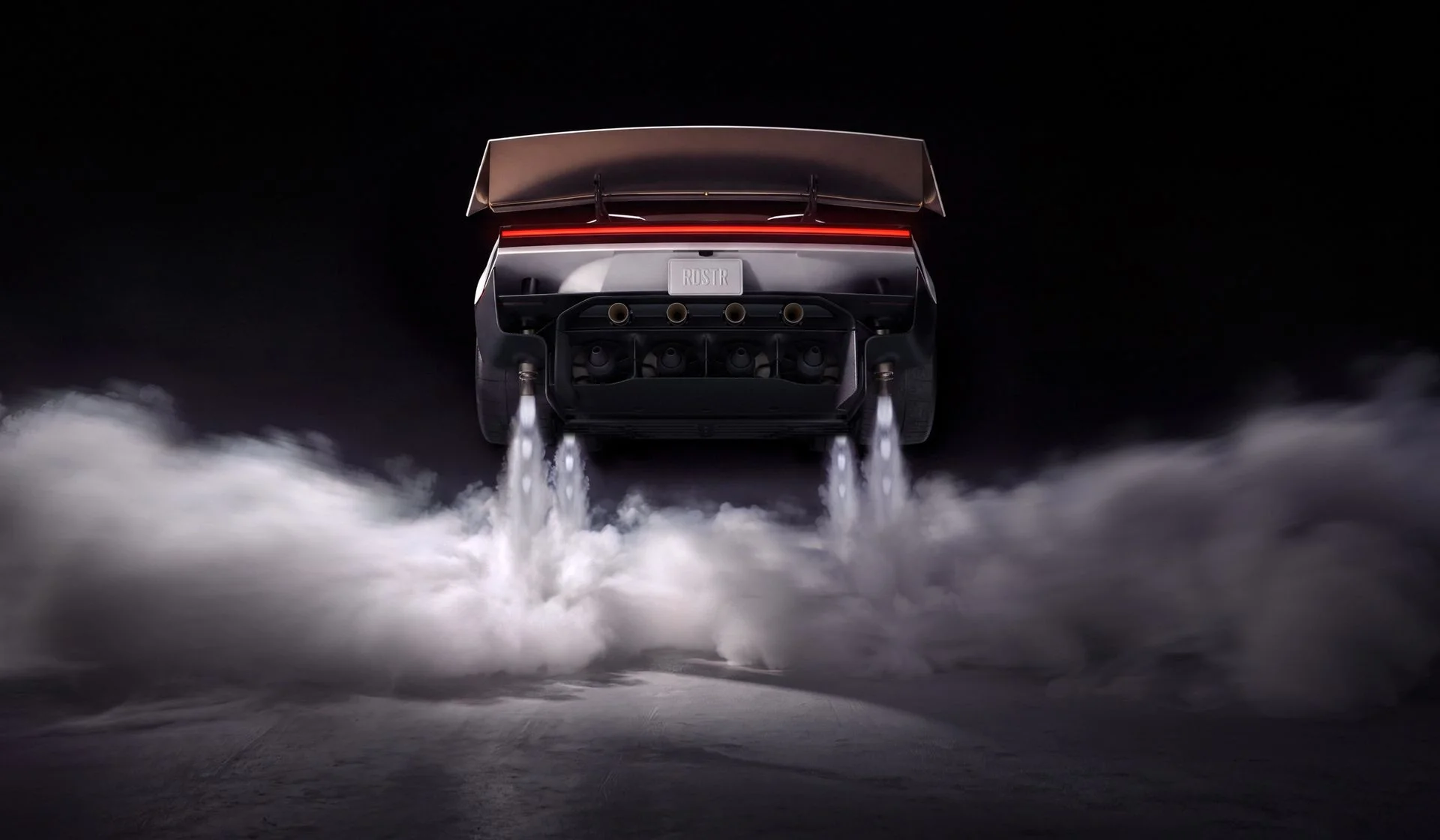
Tesla describes three Roadster versions. The two-seat Performance model has a suction system intended to boost traction and handling, including on inverted ramps. The Thrust version adds rear-mounted thrusters; Tesla claims it can accelerate from zero to 60 mph (97 km/h) in under a second. Only the single-seat Rocket model is designed to fly. It uses thrusters placed around the car for short flights and in-air control, and Tesla says it will be available by invitation.
That capability comes with limits. Tesla says the Rocket isn’t approved for public roads and that availability depends on local regulations. Musk also cautioned at the reveal that it “is not necessarily a safety-optimized car.”
Questions about endurance and practicality
Tesla hasn’t published flight range or duration figures. That gap has left room for skepticism about how much the demonstration says about everyday use.
Yann LeCun, an AI scientist and professor at New York University, called the demo a “marketing stunt” on X. He estimated that even if compressed air made up half the car’s mass, the system might provide fewer than 10 seconds of useful thrust at a thrust-to-weight ratio above one—and probably closer to five seconds. His conclusion: the vehicle would need to be an empty, lightweight shell carrying large compressed-air tanks. He compared the project to SpaceShipOne, the privately funded spacecraft that debuted in 2004, made three record-setting flights and was later retired.
Here’s the thing: a successful stunt establishes that the vehicle can leave the ground under controlled conditions. It doesn’t establish how much payload it could carry, how often it could fly or whether the system would have a practical role outside a demonstration. Tesla hasn’t provided those details.
A different approach from Alef Aeronautics
Tesla isn’t alone in pursuing flying electric vehicles. California-based Alef Aeronautics marked the Roadster reveal by releasing footage of its vehicle flying over an earlier Roadster model. Alef said the flight was its 1,000th logged test.
Alef uses electric propellers for vertical takeoff and landing, with a rotating cabin and body designed for forward flight. That differs from Tesla’s compressed-gas system, which is built around brief bursts of thrust.
“Welcome Tesla to the flying car race, we've been here alone for eleven years,” Alef CEO Jim Dukhovny said in a statement to Live Science. “Having competition is a good thing, especially from such a major company as Tesla.”
Delivery remains another open question
Tesla has scheduled Roadster production for 2028, though the company has missed or shifted other product timelines. Its Optimus humanoid robot, first unveiled in 2021, was initially expected to enter production in 2023 before delays. Production has only begun to scale to a few hundred units per week in recent months.
The Roadster’s next test is therefore twofold: whether Tesla can meet its production target, and whether it can explain what the Rocket version can do beyond a short, remotely controlled flight. Until those answers arrive, the demo is best read as a glimpse of a concept rather than proof of a practical flying car.
Discussion
Sign in to join the discussion.