Ancient plant survival depended on flexible growth, seed banks and rapid evolution. Those same traits may help species face climate stress today.
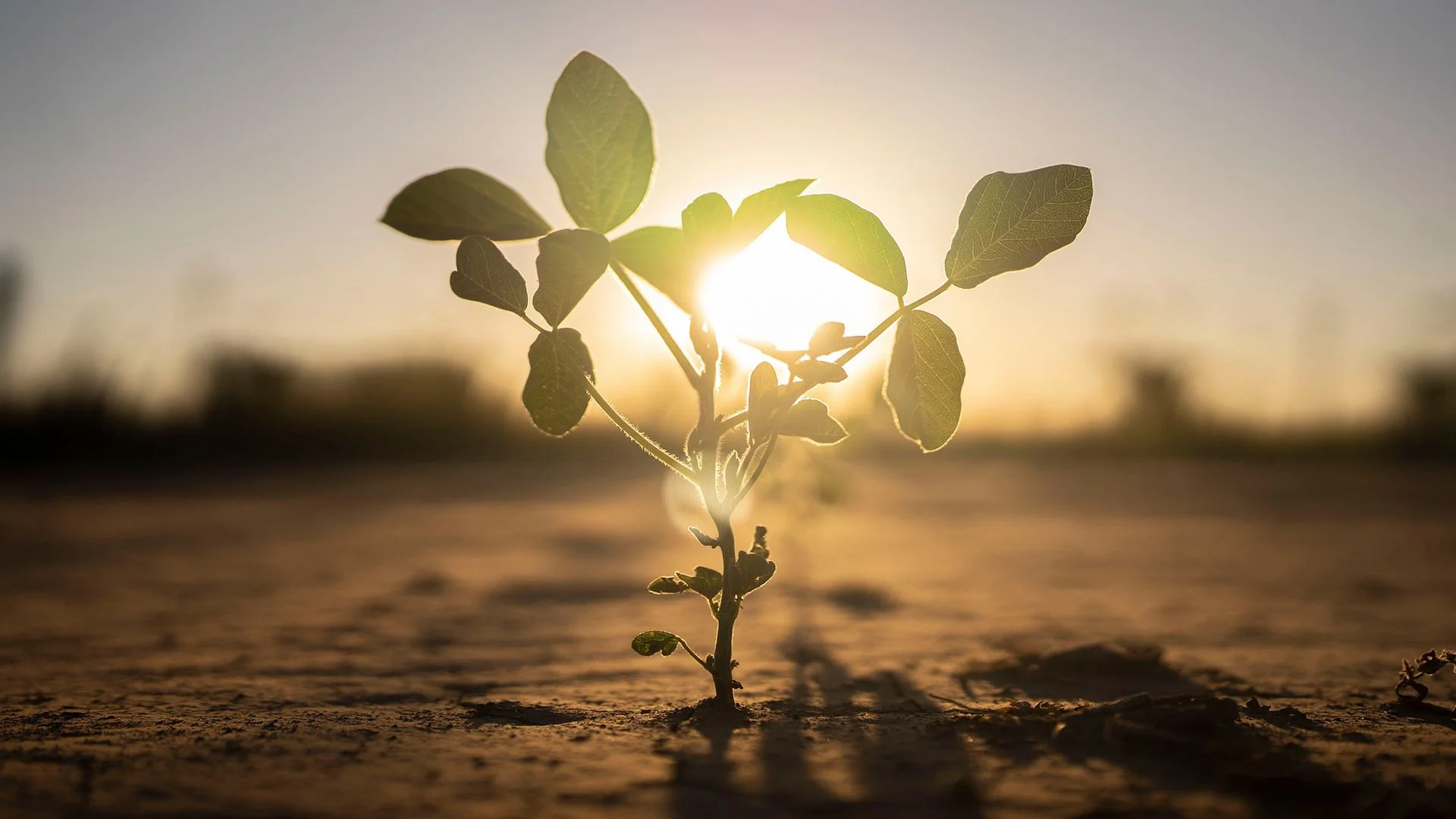
The Permian-Triassic extinction wiped out more than 90% of marine life and 70% of terrestrial species. Yet some plants persisted, including pollen-producing species in what is now China. Their survival offers a useful lesson for the climate pressures plants face today: resilience comes from a mix of biological flexibility, stored diversity and being in the right place when conditions turn harsh.
About 251 million years ago, eruptions from the Siberian Traps released carbon dioxide for roughly a million years. Temperatures rose sharply near the equator, while ocean acidification and oxygen loss devastated marine ecosystems. The event, known as the Great Dying, was the most severe mass extinction in Earth’s history. Some plant populations endured, and research indicates that refuges existed beyond the well-known region in China.
That history doesn’t mean plants are immune to rapid environmental change. It does show why they can sometimes persist where animals cannot. Plants can’t move as individuals, and many populations disperse slowly. As ecologist and evolutionary biologist Chris Thomas of the University of York told Live Science, plants have often evolved ways to withstand difficult conditions in place. The question for today is whether those adaptations match the stresses each species will encounter.
New growth can adjust to new conditions
Plants often have greater developmental plasticity than animals: they can alter how their tissues grow as conditions change. Many also have indeterminate growth and modular bodies, meaning they keep producing new parts throughout life. Lose a branch, and some species can grow another. That replacement growth develops under current conditions, rather than relying entirely on structures formed in a different environment.
Researchers have found that resprouted shoots on holm oak (Quercus ilex) cope with drought better than shoots that haven’t resprouted. The broader point is that regrowth can give a plant another chance to respond to its surroundings. It’s a practical advantage when heat, drought or other stresses damage existing tissues.
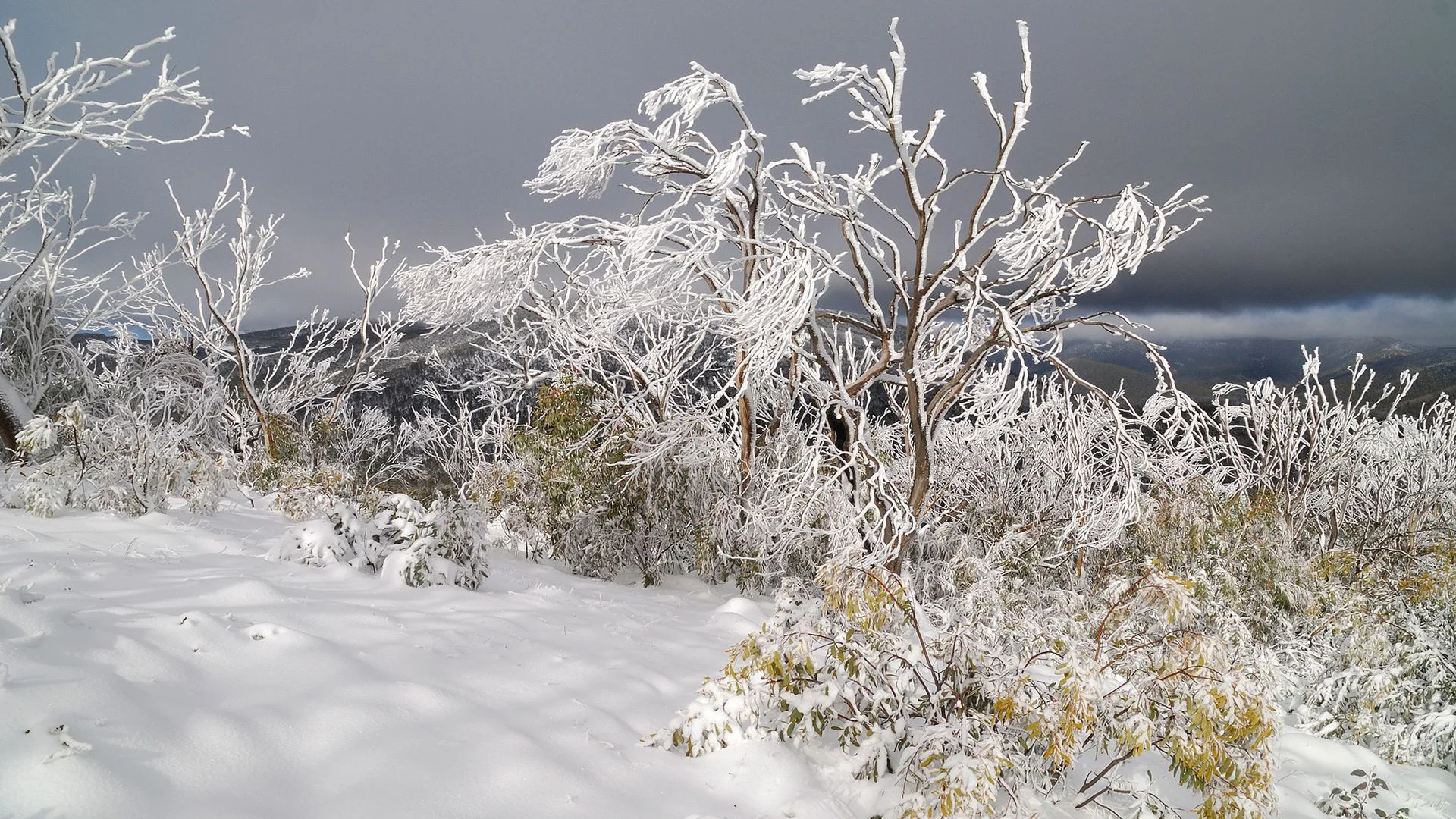
For many species, survival also depends on protecting the parts that can restart growth. Dormant buds allow plants to resprout after disturbances such as fire. In South Africa’s Cape Floristic Region, many species are adapted to fire: some regrow afterward, while others rely on fire to prompt their seeds to germinate. Snow gums (Eucalyptus pauciflora) protect buds beneath thick bark. Stinging nettles (Urtica dioica) can shelter buds underground, where soil buffers them from temperature extremes. Similar underground storage helps herbaceous plants survive winter and allows bulb plants to shield tissues from fire.
Seed banks preserve options
Seeds offer another route through bad conditions. Nearly 350,000 plant species produce them, and many seeds can remain dormant in soil until circumstances improve. Evolutionary ecologist Daniel Anstett of Cornell University describes seed banks as a kind of library: stored seeds preserve genetic information that a population may draw on later.
A 2021 paper in Nature Communications describes seed banks as a source of resilience because dormant individuals can resume growth when conditions become suitable. Some seeds will fail, and some may never germinate. But a population with seeds waiting underground has more opportunities to persist through a temporary period of stress.
Seed banks can also preserve genetic variation, the raw material for adaptation. Botanist Amy Angert of the University of British Columbia says larger populations tend to hold more genetic variation, while movement between populations can spread it. When environmental conditions shift, that diversity can make a difference to whether a population has traits that help it cope.
Evolution can respond within a few years
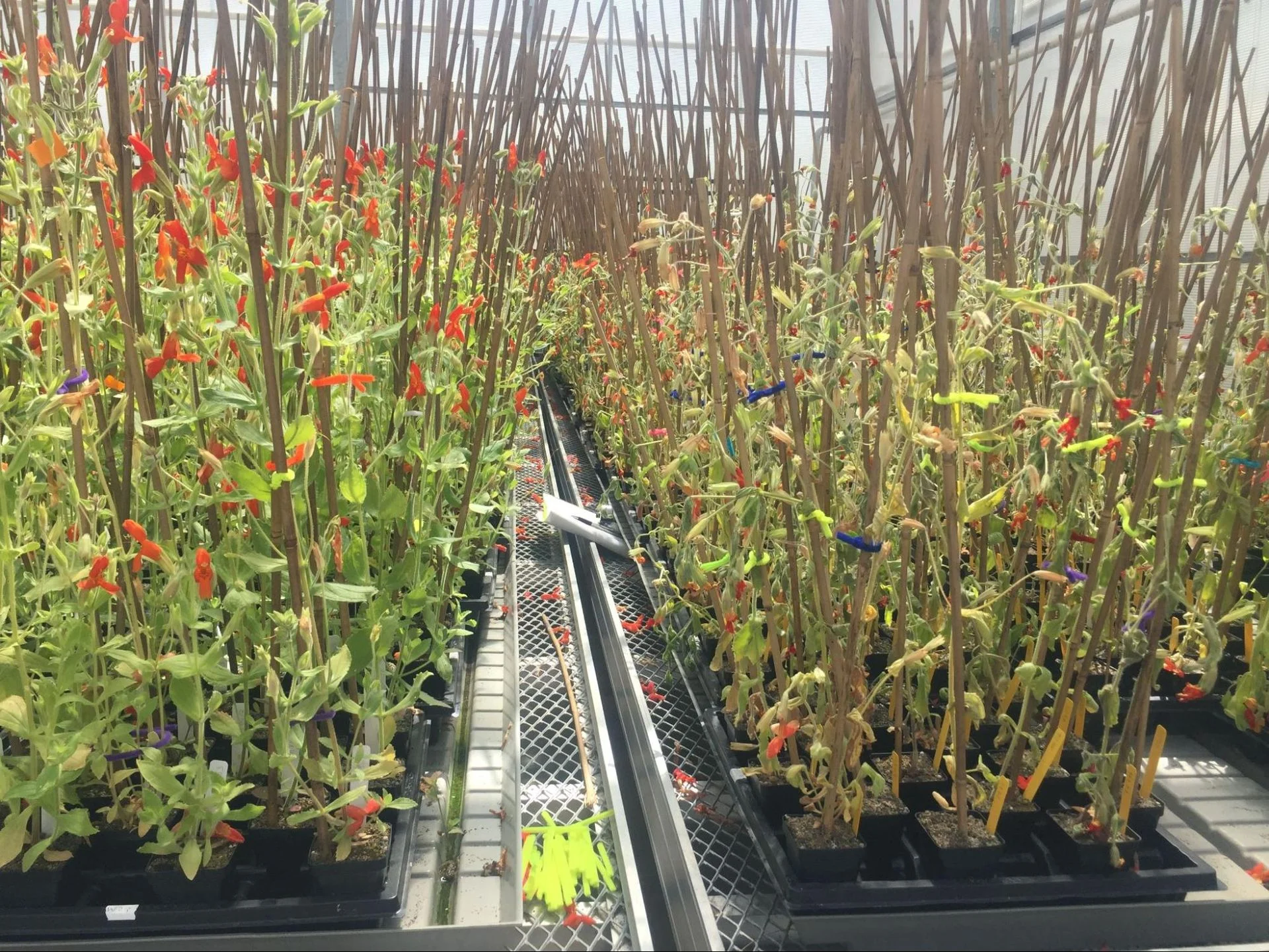
A study published in Science tracked scarlet monkey flower (Erythranthe cardinalis) populations in the United States and Mexico through drought from 2010 to 2018. The researchers sequenced genomes from 55 populations and identified genetic regions associated with stress and drought response. Some populations evolved quickly enough to cope with the changing conditions.
The plants followed different strategies. As Anstett explained, some grew quickly, flowered and produced seeds before the fall drought; others grew more slowly and endured the dry period. The study found that researchers could use a population’s genetic diversity to predict whether it would survive the drought, even before the drought began. That result concerns one species, but Anstett thinks similar patterns may matter for other organisms.
Changing the way they photosynthesize
Some plants manage heat and water stress by changing when they take in carbon dioxide. Most plants open stomata, the small pores on their leaves, during the day. Plants using CAM photosynthesis keep those pores closed in daylight, reducing water loss. At night, they take in carbon dioxide and store it as an acid, then use it to make sugars during the day.
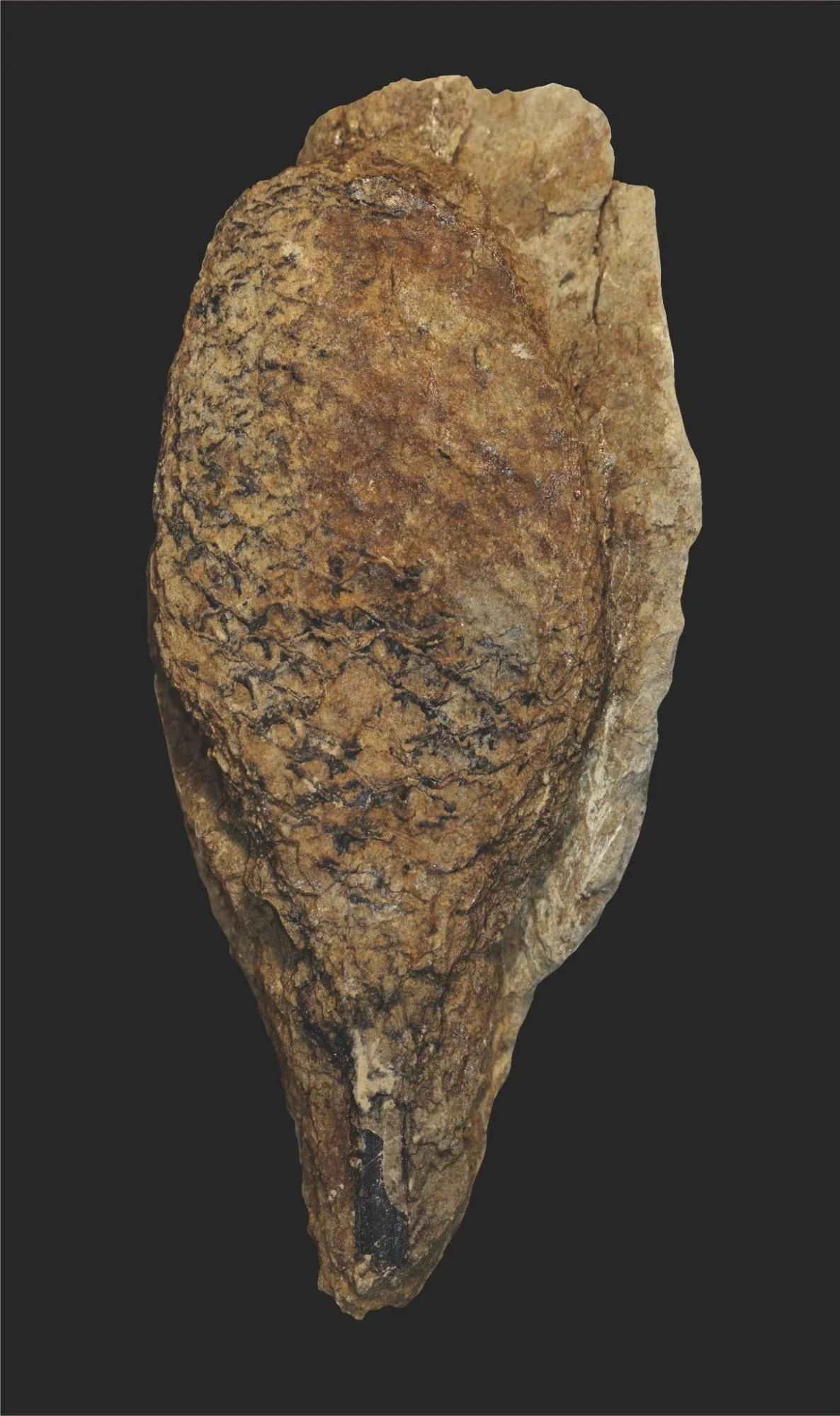
CAM photosynthesis is common among desert plants such as cacti and succulents. Paleobotanist Zhen Xu of the University of Leeds sees it as a possible clue to plant survival during the Great Dying. In a study published in Nature Ecology & Evolution, Xu and colleagues reported that ancient lycophytes, a group of vascular plants, shifted to CAM photosynthesis around the time of the extinction. Xu argues that this strategy may have helped them survive and become more prominent afterward.
Sometimes, adaptation means changing the genome
Some flowering plants have responded to major environmental shifts with a more dramatic genetic change: duplicating their entire genome. Research published in Cell identified nine such bursts over the past 150 million years. The researchers linked those periods to major geological changes, including global warming, cooling and extinction events.
A duplicated genome can give plants more genetic material in which useful changes may arise. Genome biologist Yves Van de Peer of Ghent University, a co-author of the study, said the timing of these duplications repeatedly coincides with major geological events. This doesn’t make genome duplication a guaranteed route to survival. It’s another possible tool, available to some plants under some conditions.
Resilience depends on which tools a species has
Here’s the catch: plant survival still involves luck. A species may have traits that protect it from fire but leave it vulnerable to drought. One population may carry useful genetic variation, while another has lost it. During the Great Dying, plants in refuges in China and elsewhere appear to have had a helpful combination of location, adaptations and genetic diversity.
That makes the state of plant populations today consequential. Angert argues that connecting fragmented populations can increase the spread of genetic diversity and the range of traits available to help plants adapt. Anstett warns that isolated populations may lose parts of their evolutionary toolkit.
The ancient record points to a concrete priority: keep populations large and connected enough to retain variation and exchange it. Plant resilience is not a single trait that guarantees survival. It’s a set of options—regrowth, dormancy, seeds, flexible photosynthesis and genetic change—that may prove useful when conditions shift. Whether those options are available when a species needs them will help determine which plants persist.
Discussion
Sign in to join the discussion.