A phone-controlled implant kept blood sugar steadier and reduced weight in mice, but its safety and effectiveness in larger animals and people remain untested.
The most striking result from a new diabetes implant study is its built-in control loop: a glucose monitor detects high blood sugar, and a phone adjusts the device’s power to remove glucose. In mice with diabetes and obesity, that approach kept glucose steadier and was accompanied by weight loss. It remains an early proof of concept, with human use still a distant research goal.
A controllable route for removing glucose
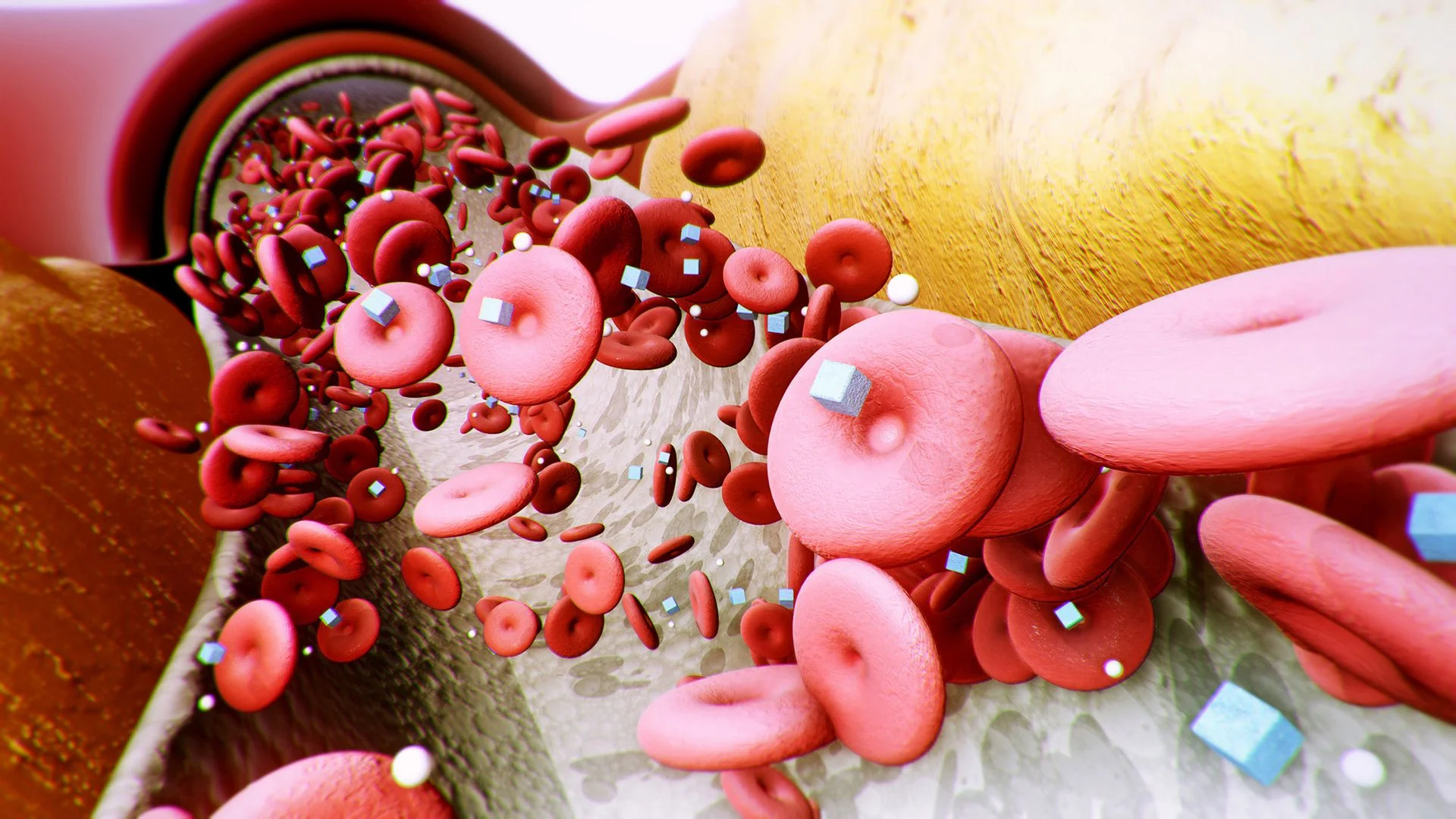
Researchers at ETH Zurich designed an inch-long reactor that converts glucose into gluconate, a harmless byproduct. The reaction takes place on an electrode made with gold and platinum nanoparticles embedded in graphite felt, and runs only when the implant receives electricity. Varying the power can therefore switch glucose removal on and off.
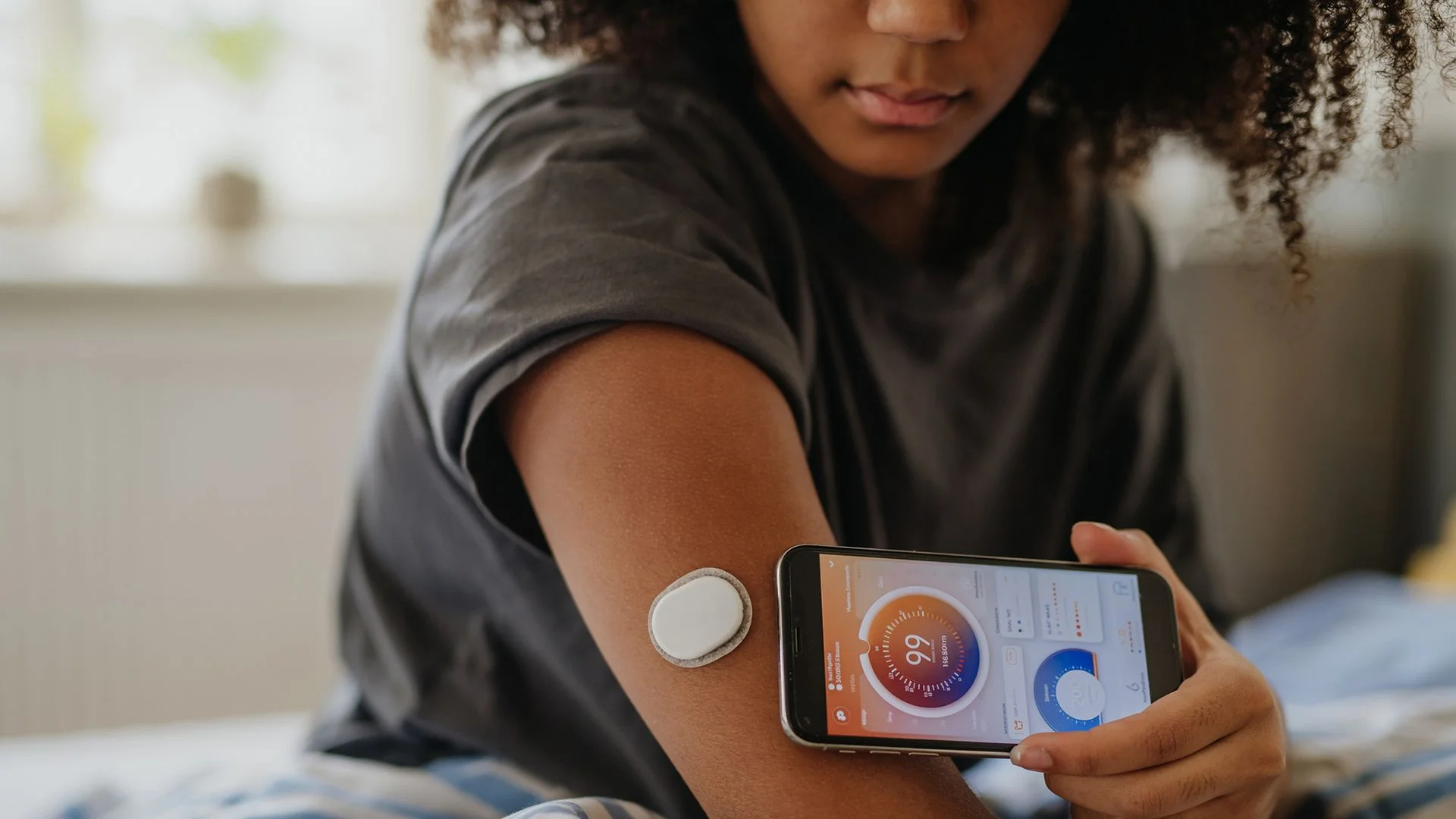
The implant is wireless. A smartphone supplies low-level radio-frequency energy, which the device converts into a stable direct current. Paired with a continuous glucose monitor, the system uses blood sugar readings to guide how much power the phone transfers.
“In principle, this enables the device to remove more glucose when [blood sugar] levels are elevated and reduce its activity when glucose returns towards the desired range,” study co-author Martin Fussenegger, a professor of biotechnology and bioengineering at ETH Zurich, told Live Science by email. “The objective is to create an autonomous system that continuously adapts to the patient's metabolic needs.”
Six weeks of testing in mice
In experiments lasting six weeks, mice fitted with the implant had more stable blood sugar than untreated mice and lost an average of 10% of their body weight. The researchers say glucose stayed within normal levels, shifting the animals’ metabolism toward burning fat. The device’s adjustable activity also kept glucose from dropping below safe limits in the study.
The work was published Oct. 22 in Science. The team also tested the reactor in about 1.3 gallons (5 liters) of sugary solution, a volume comparable to a person’s total blood supply. It controlled glucose in that setup, but a beaker experiment cannot establish whether the device can work safely in a living person.
Human-scale performance is the next hurdle
The potential appeal is direct glucose removal, which differs from established treatments such as metformin, which lowers blood sugar, and GLP-1 drugs, which reduce appetite. Type 2 diabetes and obesity are closely linked: insulin resistance can leave more glucose circulating in the blood, while the liver can convert excess glucose into stored fat. About 90% of people with type 2 diabetes also have obesity or are overweight.
The scale of the need is substantial: the World Health Organization estimates that about 790 million people have type 2 diabetes worldwide, while more than 1 billion people have obesity. But the implant targets only part of conditions shaped by many metabolic factors.
Fussenegger said the team’s next priority is testing in larger animals, with human studies a later step. A key challenge, he told Live Science, is showing the device can process enough glucose for a person while remaining safe and catalytically effective over time.
He also cautioned that the device isn’t meant to replace nutrition, physical activity or preventive care. “Obesity and type 2 diabetes are complex conditions involving much more than elevated glucose levels,” he said. The practical takeaway is promising but narrow: the mouse results support further testing of a glucose-responsive implant, while its usefulness for people depends on whether it can operate at human scale over the long term.
Discussion
Sign in to join the discussion.