Swift shut down science operations after orbital decline, ending a 22-year run that helped shape research into gamma-ray bursts and stellar destruction.
A rapid-response telescope leaves orbit
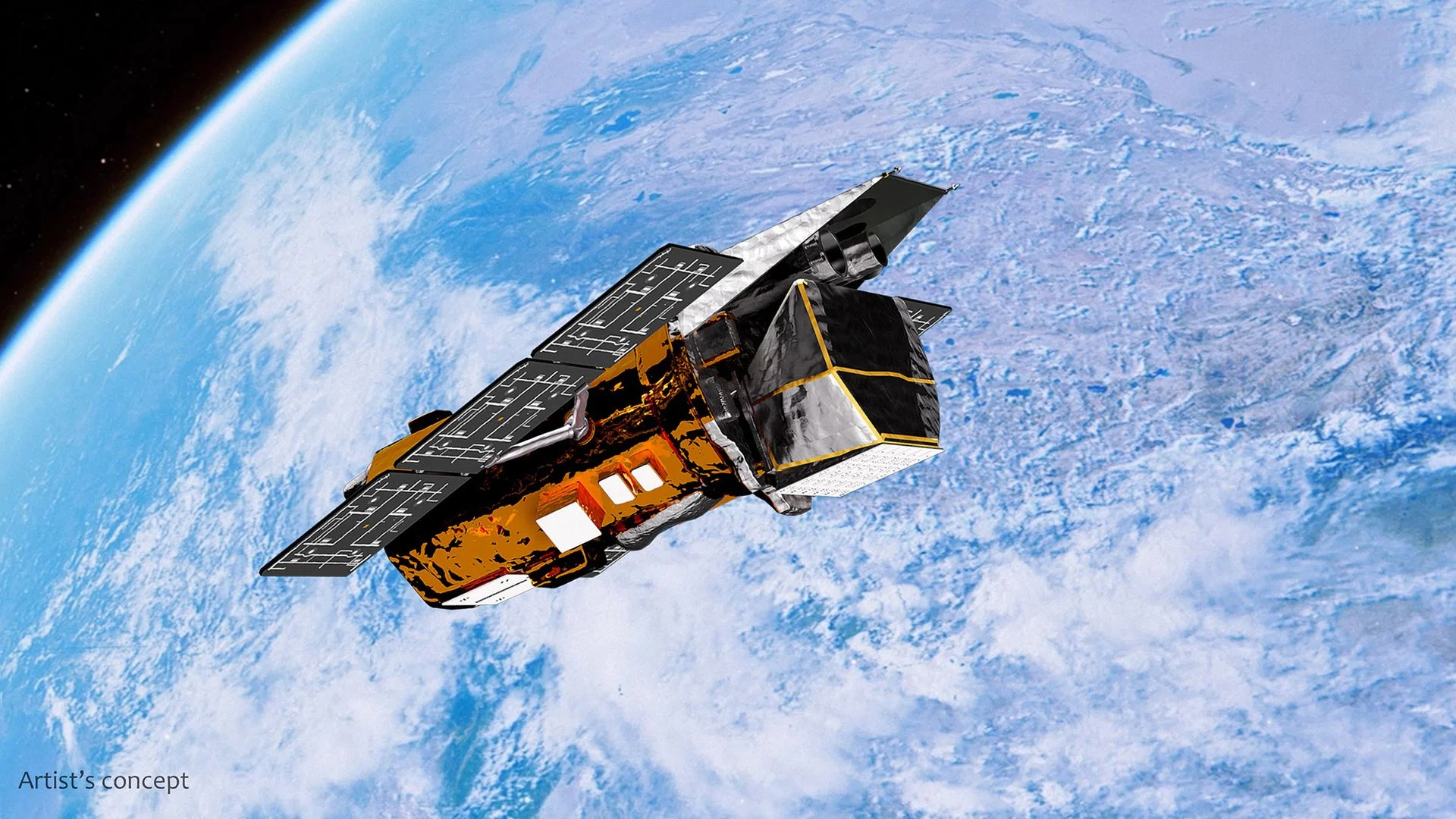
NASA’s Neil Gehrels Swift Observatory has ended science operations after 22 years, closing a mission that helped researchers catch some of the universe’s most fleeting and violent events. Its value came from speed: Swift could turn toward a newly detected explosion within minutes and observe it across multiple wavelengths. That combination let astronomers gather information while an event was still unfolding, rather than relying only on observations made after its brightest phase had passed.
The observatory stopped collecting reliable data Tuesday, Oct. 20, after its orbit dropped too low. At 171 miles (275 kilometers) above Earth, it can no longer make dependable observations. NASA expects the spacecraft to reenter the atmosphere and break apart “in the next few weeks.” The end is a practical limit imposed by the spacecraft’s orbit: once it can’t point and collect reliable measurements, its instruments can no longer deliver the observations that made the mission useful.
Swift launched in November 2004 with a planned two-year mission. It lasted 22 years, far beyond that original target, and contributed data to about 7,000 scientific papers. Its observations covered supernovas, gamma-ray bursts and episodes in which black holes tear apart stars. A mission’s longevity doesn’t by itself measure its scientific value, but two decades of observations create a record that can be revisited as researchers ask new questions of old data.
Solar activity hastened the end
Rising atmospheric drag from intense solar activity has been lowering Swift’s orbit. Even at the altitudes used by spacecraft, Earth’s atmosphere creates drag; as a satellite loses altitude, that drag can become a growing operational problem. In Swift’s case, the resulting loss of orbital height eventually made dependable observing impossible.
The situation became irreversible in August, when a private spacecraft intended to boost the observatory failed after hardware malfunctions and burned up during reentry. With Swift continuing to lose altitude, the team could no longer restore its ability to observe. The failed boost attempt marked the loss of a route to extending the mission, leaving the observatory’s declining orbit to determine how long science operations could continue.
Why Swift mattered
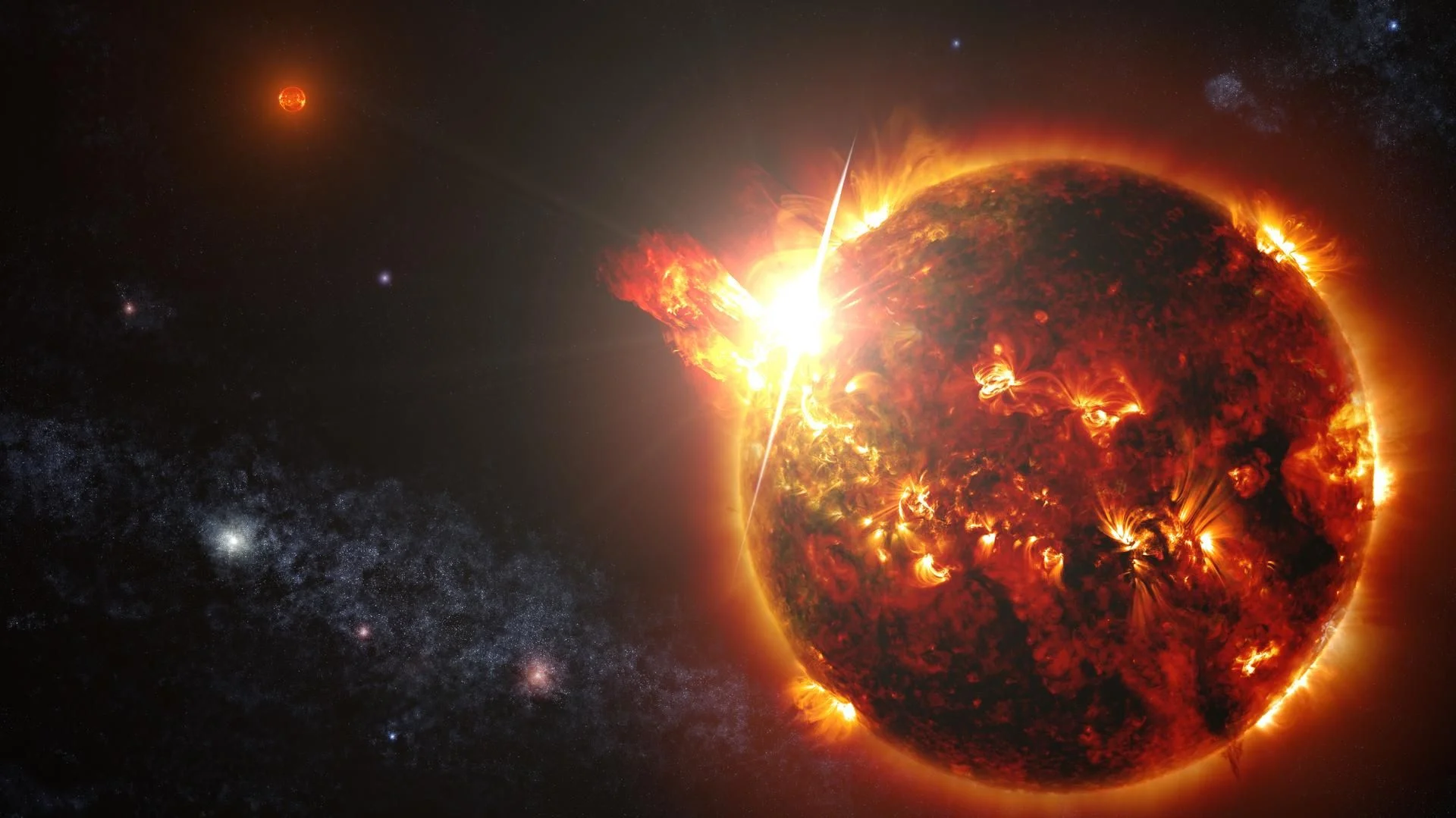
Swift combined optical, ultraviolet and X-ray instruments, giving astronomers a way to study what followed powerful bursts of energy. Its rapid targeting was especially valuable for gamma-ray bursts, which fade too quickly for traditional observing plans to catch their aftermath. The point wasn’t simply to see a bright flash; observing in several parts of the spectrum helped researchers examine different aspects of what happened after the initial burst.
“Swift was designed as a satellite dedicated to studying gamma-ray bursts, outbursts that came and went so quickly that no one could target them with large telescopes to learn more,” said S. Bradley Cenko, the mission’s principal investigator at NASA’s Goddard Space Flight Center.
Swift’s speed addressed a basic difficulty in astronomy: some targets change while researchers are still arranging to observe them. A rapid-response observatory can make that delay shorter, capturing the early stages that slower or less flexible observing schedules might miss. And this is the part most people overlook: the mission’s contribution came from a working system of detection and follow-up, not from a single instrument operating in isolation.
Shawn Domagal-Goldman, director of NASA’s Astrophysics Division, said Swift’s rapid observations helped advance understanding of a changing universe and contributed to a revolution in astrophysics. That assessment points to the value of repeated, timely measurements across many different events. The telescope’s archive and its thousands of captured events leave researchers with a long record to study, even as the spacecraft’s own mission comes to a close.
What remains after the spacecraft
The end of observations doesn’t erase the work already done. Existing data can continue to support analysis, comparisons and follow-up research, although researchers can’t ask Swift to turn toward new events. For astronomers, that leaves a clear distinction between a mission’s active observing life and the longer scientific life of its archive.
This is more significant than it looks: Swift made speed part of the science itself. Its record can help researchers interpret new observations and revisit earlier cosmic events, while the loss of the satellite removes one way to respond quickly when the next brief burst appears. If you’re working in this space, the practical legacy is both the archive and the observing approach it demonstrated.
Swift’s 22 years far exceeded its original two-year plan. A long run, a substantial body of published work, and a final end shaped by orbital conditions: the mission closes with its scientific record intact, but without the ability to add to it.
Discussion
Sign in to join the discussion.