DSM-6 is expected to bring genetics and immune system research into psychiatric diagnosis, while clinical symptoms remain central to identifying disorders.
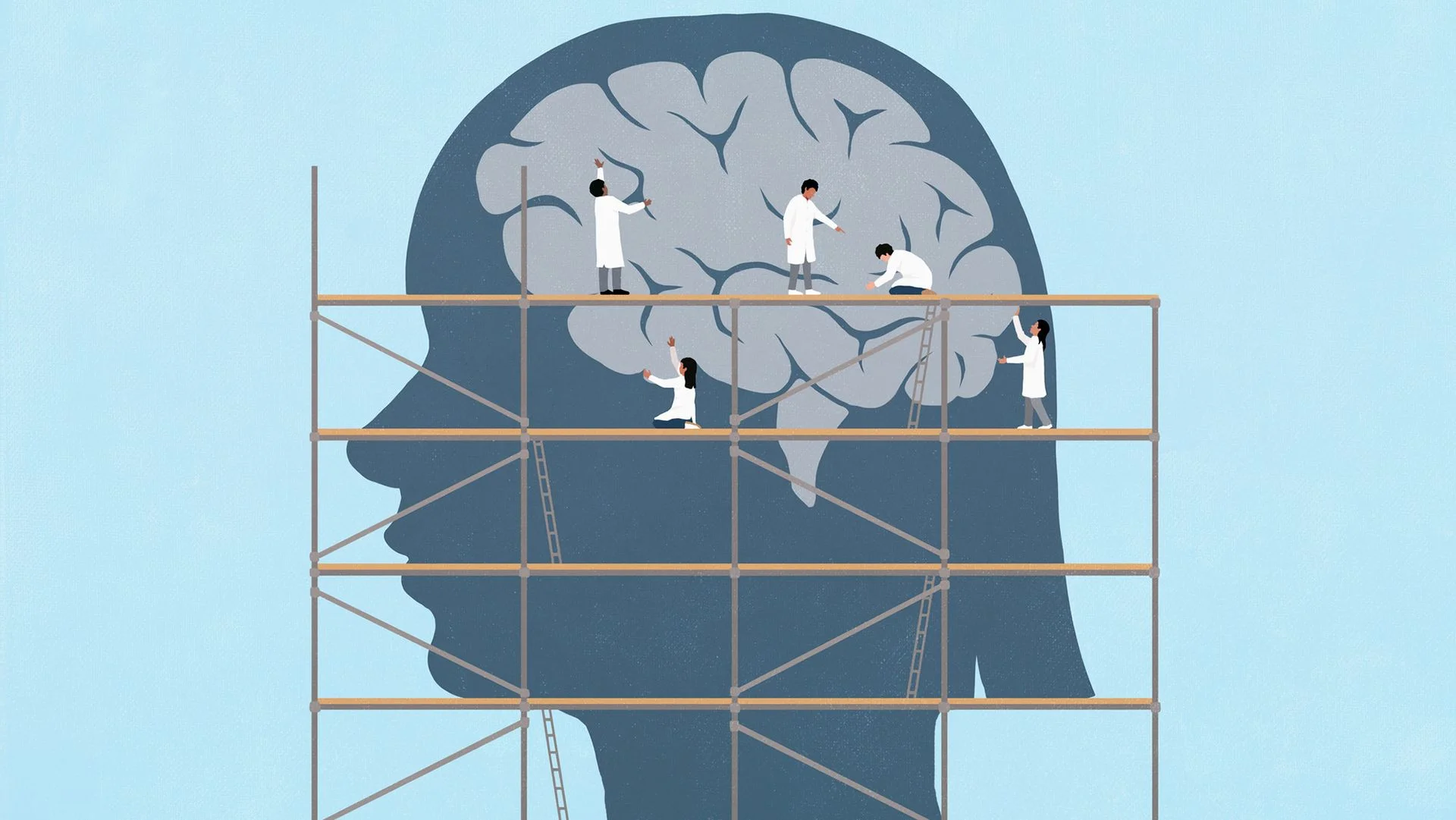
The most consequential change under discussion for DSM-6 is a shift in how psychiatric disorders are described: the manual may add biological context to diagnoses that have long rested on symptoms and clinical history. That could help clinicians recognize shared risks across conditions, though it won't give most patients a definitive blood test for depression, PTSD or schizophrenia.
Dr. Anand Kumar, head of the Department of Psychiatry at the University of Illinois Chicago and a former member of the DSM Strategy Committee, says the next edition is expected to introduce biological factors into its framework. These could include genetic findings and evidence about immune system activity. The goal, as he describes it, is to make diagnoses reflect more of what research says about how disorders develop, even when that research hasn't produced a practical diagnostic test.
Clinical diagnosis remains the foundation
The Diagnostic and Statistical Manual of Mental Disorders has traditionally sorted conditions such as major depression, eating disorders and post-traumatic stress disorder according to clinical criteria. Practitioners assess symptoms through interviews, patient histories, questionnaires and observation. Under the approach Kumar describes, DSM-6 would add biological information to that process rather than replace it.
That distinction matters. Kumar says there are currently no clear-cut blood tests or brain scans that can identify most psychiatric disorders on their own. A biological factor can be relevant to a condition without being specific enough to confirm a diagnosis in an individual patient. Researchers might find that a pathway plays a role in some cases of depression, for example, but that finding doesn't yet translate into a lab test a clinician can order to diagnose that subtype.
Immune system activity offers one example. Research has linked immunological processes to about 30% of cases of major depression, Kumar says. The association suggests that biological mechanisms may help explain why depression develops in some people. It doesn't mean there is a single available test that can determine whether a particular patient's depression is immune-mediated.
Kumar calls these signals biological factors: evidence about pathways and mechanisms that may contribute to a disorder, even when the science hasn't crystallized into a clinical marker. In his view, DSM-6 can make room for that developing knowledge without presenting it as a diagnostic certainty.
Alzheimer's shows what a diagnostic marker can look like
Alzheimer's disease offers a useful comparison because its diagnostic toolkit has advanced further. Blood tests can now detect proteins called tau and amyloid, and those tests have been approved by the FDA as biomarkers for the disease. When a patient's clinical picture and mental-status examination indicate intellectual decline, a positive biomarker result can support a definitive Alzheimer's classification.
That level of precision is relatively new. A decade or more ago, clinicians could look for these proteins through brain imaging or a lumbar puncture that collected spinal fluid. Those approaches remain distinct from a simple blood draw. The emergence of blood tests shows what a biological marker can add when research identifies a measurable signal with diagnostic value.
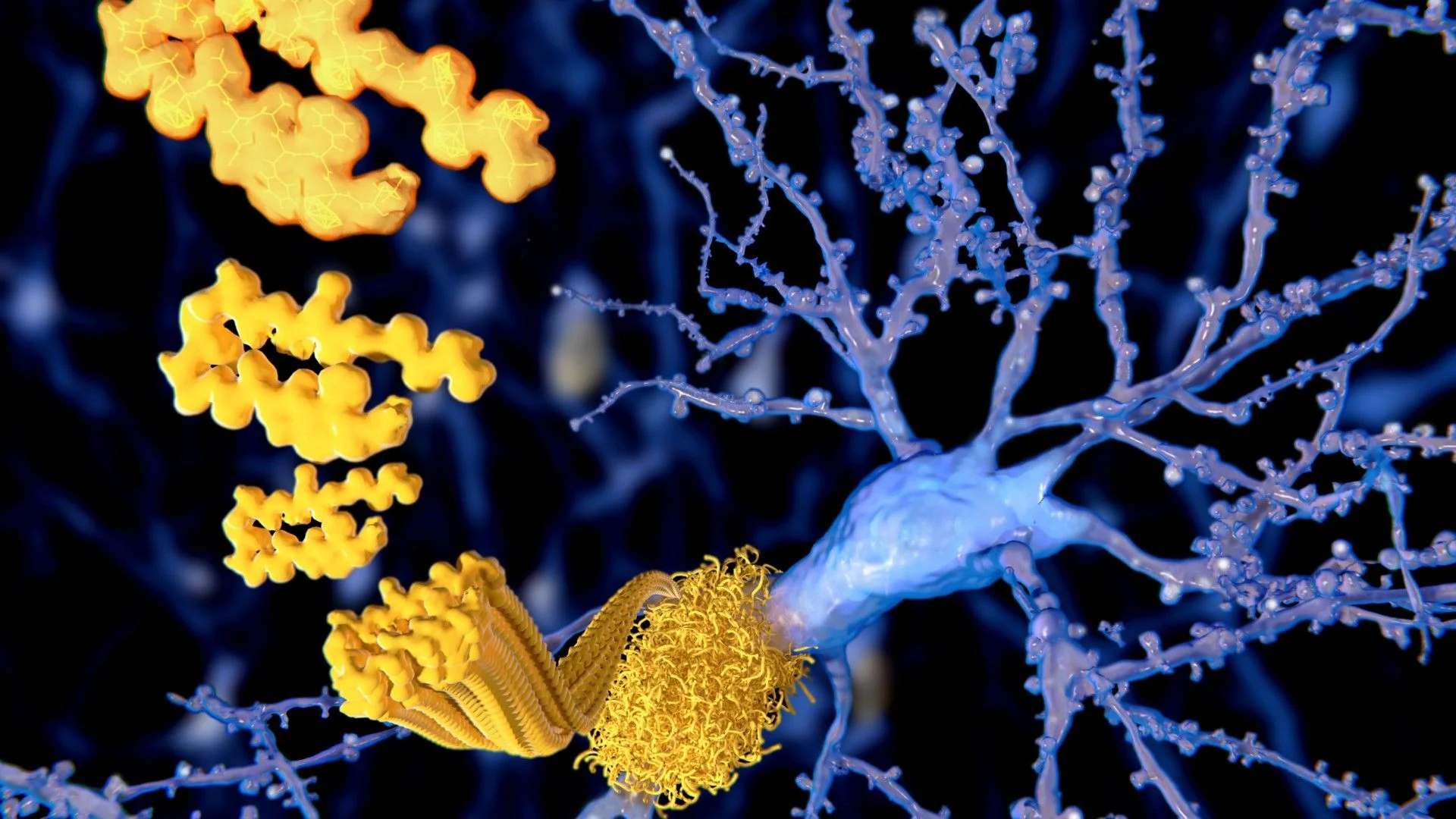
Psychiatry does not yet have an equivalent set of markers for most disorders. Kumar's point is that a lack of a definitive test doesn't erase the evidence that biology matters. It sets a limit on what the evidence can support today, while leaving room for the manual to describe findings that may become more useful as research develops.
Genetics points to shared risk, not a single cause
Genetics is another area where a simple test is unlikely to capture the science. Public understanding often treats a mutation as a direct cause of a disease. Many complex conditions work differently: numerous genes can each contribute a small amount of risk, and those genes interact with other factors.
Mental disorders fit that more complicated pattern. Hundreds of genes have been associated with risks for depression, schizophrenia and anxiety disorders, Kumar says. No single gene, or small cluster of genes, can currently diagnose these conditions. But large studies have repeatedly identified genetic associations, and Kumar argues that the complexity is a reason to interpret the evidence carefully, not discard it.
Genome-wide association studies examine genetic variation across many people to identify patterns linked with particular conditions. For DSM-6, Kumar says the question is how to incorporate those findings into diagnostic categories in a way that gives clinicians useful context without implying that a genetic profile determines a patient's outcome.
His preferred comparison is with physical health. Heart disease risk isn't captured by one gene. Clinicians consider family history alongside factors such as body mass index, diet and environmental influences. Kumar says psychiatry lacks a similarly broad description of how biological and environmental factors combine, and sees the next DSM as a possible first step toward filling that gap.
Shared risks may change what clinicians watch for
Biological context could also make comorbidity more visible in clinical care. Depression often occurs alongside anxiety, and anxiety disorders can co-occur with substance abuse. Kumar says those overlaps aren't necessarily coincidental: some conditions share genetic risks, which may help explain why they appear together.
He cites estimates that roughly 45% of people diagnosed with a major mood disorder also have an anxiety disorder. A similar share of people with an anxiety disorder may also have a mood disorder. The anxiety diagnoses in that group can include generalized anxiety disorder, PTSD or a phobia.

For a psychiatrist, the practical implication may be to ask about related symptoms and risks when treating one diagnosis. A patient being treated for a mood disorder could develop anxiety later, while someone with an anxiety disorder may be at risk for substance abuse. Kumar hopes clinicians will use a fuller account of shared risks to guide conversations with patients and their families, and to consider treatment needs across more than one condition.
He expects DSM-6 to include other kinds of information as well, including cultural factors and cognitive measures such as working memory and attention. But he sees biology as the most distinct addition, because genetics and immunology have not previously been part of the manual in this way. He also cautions that the changes won't be perfect or satisfy everyone. The work will require choices about which findings are mature enough to include and how to describe their limits.
That makes the coming update a change in the manual's explanatory frame more than a sudden arrival of psychiatric blood tests. Symptoms will still anchor diagnosis. The shift is that clinicians may have a clearer account of the biological pathways and shared risks behind those symptoms, giving future research and clinical practice a more specific starting point.
- Adversity shaped our evolution as a species. People raised in it may have underrecognized strengths because of it.
- Ancient 'alien-like' skulls have been found on every continent but Antarctica. Anthropologists are starting to figure out why.
- Could psilocybin treat brain injuries? Neuroscientist explains how psychedelics could fill a gap in head trauma care
This interview has been condensed and edited lightly for clarity.
Help us improve Live Science Pro: We're always trying to make our content better. Leave us feedback about Pro here.
Discussion
Sign in to join the discussion.